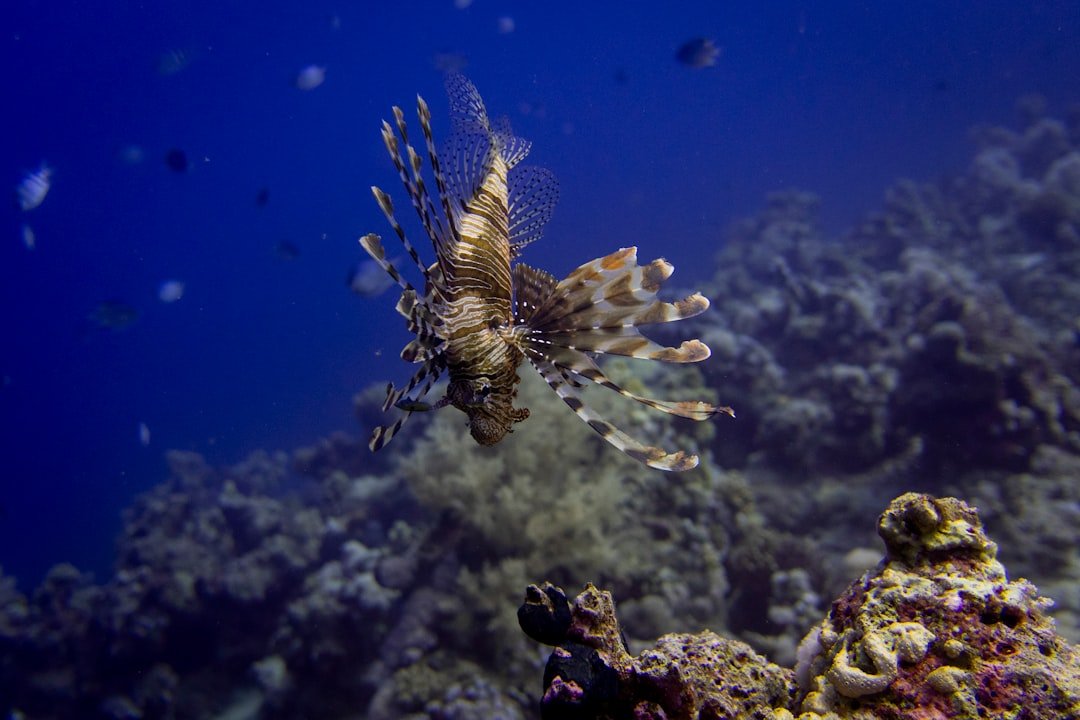
Knowing how to use a snorkel on scuba solves one of the most practical problems recreational divers face: wasting precious air on the surface before descending. Learning how to use a snorkel on scuba properly lets you breathe naturally while you wait for your dive buddy or the boat crew to signal the all-clear. Most people don’t realize how much air they burn during those final 60 seconds before the descent begins, and how to use a snorkel on scuba turns that surface interval into actual rest instead of unnecessary tank depletion.
Quick Reference: Snorkel and Scuba Gear Setup
| Setup Aspect | Snorkel on Scuba | Scuba Only | Best For |
|---|---|---|---|
| Air Source at Surface | Snorkel tube | Regulator (wasting tank air) | Longer surface intervals |
| Breathing Effort | Natural, lower resistance | Higher effort through regulator | Tired divers or rough seas |
| Tank Air Consumption | Zero at surface | Continuous draw | Extending bottom time by 3–5 minutes |
| Switching Speed | Regulator in mouth while snorkeling | Already breathing from regulator | Divers who want flexibility |
| Ease of Learning | Simple with practice | No learning curve needed | Beginners seeking efficiency gains |
Why Divers Skip This Skill—And Why You Shouldn’t
I’ve been diving with a snorkel mounted alongside my regulator for years, and I can tell you the single biggest myth holding divers back: they think it’s awkward or unnecessary. Most people assume that because they have a full tank, they might as well use the regulator the entire time. Wrong assumption. A typical recreational diver breathes 12–15 liters per minute on the surface through a regulator compared to maybe 8–10 liters through a snorkel. That difference adds up to 60–90 seconds of extra bottom time on a standard 10-minute dive.
I’ve seen so many divers ditch the snorkel after the third dive because nobody taught them the actual technique for how to use a snorkel on scuba without fighting water entry or bite fatigue.
The skill takes ten minutes to master. Once you own it, you’ll carry a snorkel on every boat dive you take.
The Setup: How to Carry a Snorkel on Your Scuba Rig
Most recreational divers think they need to choose: snorkel or scuba. You don’t. Here’s what you actually need to do. Mount your snorkel on the left side of your head (opposite your regulator second stage) using the snorkel holder that came with your mask or purchase an independent snorkel strap. Secure it so the tube sits roughly 2–3 inches from your mask lens and doesn’t interfere with your regulator second stage when you pivot your head. Position the mouthpiece where your lips naturally rest—not forced high or dangling low. The dry-top snorkel valve (the mechanism that seals when you submerge) must face the correct direction or water floods in immediately.
Check the snorkel holder tightness before every dive. Loose holders cause the snorkel to slap your face during boat entries or cause the regulator to rotate awkwardly. I’ve been diving with different snorkel configurations for years, and I can tell you that a $15 snorkel holder beats a $200 regulator second stage that shifts mid-descent because your snorkel wasn’t secured properly.
The Technique: How to Use a Snorkel on Scuba Without Water Entry
Before you descend, keep your regulator in your left hand and your snorkel in your mouth. Breathe naturally through the snorkel while you wait for the descent signal. Your right hand stays free to hold the descent line, assist your buddy, or steady yourself on the platform. Once the signal comes, take a deep breath from the snorkel, remove it from your mouth, and insert your regulator second stage. Exhale through the regulator, then begin your descent.
The reversal at the end of the dive works the same way in reverse. As you approach the surface, grab the descent line or your buddy’s hand, keep your head steady, and reach for the snorkel with your free hand. Remove your regulator, take a breath through the snorkel, and hold it there while you signal to the boat or get back on the platform. Never thrash or roll your head suddenly—water entry happens when divers rush this transition.
Your mouth seal matters more than you think. Bite the snorkel mouthpiece at your natural bite point—where your teeth close without effort. Many recreational divers clench too hard and develop jaw fatigue after two minutes. You’d think clenching creates a better seal. It usually doesn’t. A relaxed grip with steady lip pressure keeps water out and comfort high. Practice this in the pool for five minutes and you’ll instantly recognize the difference.
Pre-Dive Checklist: Before You Use a Snorkel on Scuba
- Inspect the dry-top valve mechanism to ensure it moves freely and doesn’t stick
- Verify the snorkel holder is tight and doesn’t rotate on the mask strap
- Test the snorkel in shallow water while stationary and verify no water enters when you tilt your head down
- Confirm your regulator second stage sits on the opposite side of your head without touching the snorkel tube
- Practice the mouthpiece-to-regulator switch twice in the pool with your dive buddy watching
- Confirm your mask defrosts properly and doesn’t fog when you switch between snorkel and regulator breathing
- Check that your snorkel doesn’t obstruct your peripheral vision or press against your temple
Step-by-Step: How to Use a Snorkel on Scuba at the Dive Site
Condition and Audience
This process applies to any recreational diver entering from a boat in conditions with a surface interval of 30 seconds to 3 minutes before descent. You need at least 50 dives of experience to focus on efficiency gains like this, though newer divers can absolutely practice the skill safely.
Method and Preparation
Arrive at the platform with your snorkel properly mounted, your mask secure, and your regulator hanging at your chest with the mouthpiece easily accessible. Your buddy should be right beside you and aware that you’ll be using the snorkel on the surface.
The Steps
- Enter the water using your standard method—giant stride or back roll—and establish negative buoyancy immediately
- Once your head clears the water, insert the snorkel mouthpiece into your mouth with steady, relaxed pressure
- Breathe naturally and calmly while you signal your buddy and the boat that you’re ready to descend
- Wait for the descent signal and avoid breathing from your regulator during this surface interval
- When the signal comes, take a full breath through the snorkel, remove the mouthpiece with your free hand, and pivot your head slightly to insert your regulator
- Exhale through the regulator to clear any water and begin descending along the line at a controlled rate
- At the end of the dive, ascend to 15 feet, perform your safety stop, and surface in a controlled manner
- At the surface, grab the descent line or buddy’s hand, remove your regulator, insert the snorkel, and breathe naturally until back on the platform
Where Most Divers Give Up
The transition from snorkel to regulator while neutral and hands full. Practice this exact motion five times in the pool. It feels awkward at first. After the sixth time, your hands move automatically.
Warnings and Common Mistakes
Never force the regulator into your mouth while you’re still breathing through the snorkel—water entry is guaranteed. Don’t suddenly tilt your head back when switching gear. Avoid clenching the snorkel mouthpiece so hard that your jaw aches within 90 seconds. If you feel panic or disorientation during the switch, stop, exhale through your regulator, and reset. This is the part that actually matters: your safety comes before efficiency gains.
My Picks for This
- Cressi Calibro Snorkel—A classic dry-top design with an excellent valve and a mouthpiece designed for longer comfort sessions
- Scubapro Hydros Pro Regulator—The second stage pivots smoothly to accommodate snorkel side-mounting without rotating into your face
- Zeagle Scope Dual Lens Mask—Wide field of vision keeps you oriented while switching gear, with a snorkel strap attachment point integrated into the design
- Oceanic Pro Plus 2.1 Snorkel—Lightweight, compact mouthpiece reduces jaw fatigue on extended surface intervals
- DiveRite Streamlined Snorkel Holder—Military-grade nylon strap holds your snorkel exactly where you need it without slipping or rotating
Frequently Asked Questions (FAQ)
Q1. Does using a snorkel on scuba actually extend my bottom time?
Yes, measurably. By breathing through your snorkel during a 2-minute surface interval instead of your regulator, you save 24–30 liters of tank air. On a standard 10-minute recreational dive, that translates to 3–5 minutes of extra bottom time, assuming your dive profile stays within recreational limits.
Q2. Can I use any snorkel with my scuba gear?
Any standard snorkel works, but dry-top designs perform better because the valve prevents water entry during the regulator switch. Wet snorkels flood your mouth and create the exact problem you’re trying to solve.
Q3. Is it hard to switch from snorkel to regulator underwater?
No, once you practice. Most divers master the motion in a single pool session. The key is keeping your head steady and using your hands deliberately—not rushed.
Q4. What if water enters my snorkel during the switch?
Exhale firmly through your regulator to clear it, then continue your descent. This is why practicing in controlled conditions matters—you’ll recognize the sensation and stay calm instead of panicking.
Q5. Do I need to buy a special snorkel for scuba diving?
No. Any quality snorkel with a reliable dry-top valve works fine. Brands like Cressi, Scubapro, and Oceanic all make snorkels in the $20–$50 range that perform identically for this purpose.
Q6. Can I use a snorkel on scuba if I’m a beginner?
I’d recommend waiting until you have 30–50 dives under your belt. Your core skills need to be automatic so you can focus on the gear transition without distraction.
Related posts
This post is for informational purposes only and does not constitute professional diving instruction, medical advice, or travel guidance. Scuba diving involves inherent risks — always train with a certified instructor and consult a physician before diving. Prices, product specs, dive site conditions, operator schedules, and entry requirements are subject to change without notice. Always verify current details directly with manufacturers, retailers, dive operators, and local authorities. This site may contain affiliate links — purchases made through our links may earn us a commission at no extra cost to you.