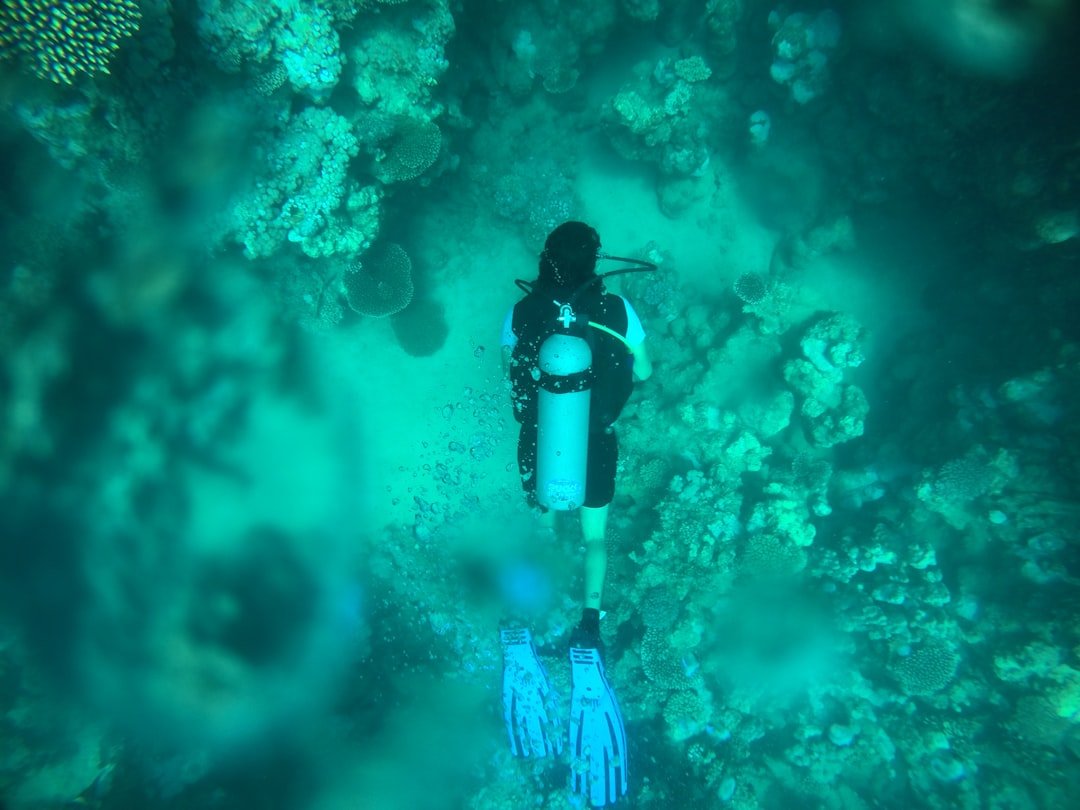
Is scuba certification worth it? Yes, but only if you understand what you’re actually paying for and who genuinely benefits. The cost ranges widely depending on your location and training agency, but most recreational divers see the investment pay dividends within their first year of diving. This guide cuts through the noise and tells you exactly what to expect.
Quick Comparison: Is Scuba Certification Worth It for Your Situation?
| Profile | Certification Worth It? | Cost Range | Timeline |
|---|---|---|---|
| Casual vacation diver, 1–2 times yearly | Yes, significant value | $300–$500 initial | 3–4 days |
| Adventure traveler, exploring regularly | Absolutely essential | $300–$500 initial | 3–4 days |
| Gear enthusiast, planning deep dives | Yes, plus advanced certifications | $500–$1,200+ | Ongoing |
| Curious beginner, unsure about commitment | Try discover scuba first | $150–$250 trial | Half-day |
The Real Cost: Breaking Down What You Actually Pay
Most people don’t realize that the certification course itself is only half the expense. You’re looking at instruction fees, usually $300 to $500 depending on your region and instructor reputation. Then there’s the learning materials, confined water training, and open water dives. But here’s the thing that catches most divers off guard: you’ll need your own mask, fins, and snorkel before you even enter the water. Add $100 to $250 for basic personal gear.
Equipment rental for your first season will run another $200 to $400 per trip if you’re doing regular dives.
Is scuba certification worth it when you factor in these upfront costs? Consider that one week-long dive vacation typically costs $1,500 to $3,000 total. Your certification, lasting your entire life, represents a tiny fraction of that investment. Once certified, you can dive anywhere on earth without restriction.
What You Actually Gain: The Real Benefits of Getting Certified
Is scuba certification worth it purely from a freedom perspective? Absolutely. Certified divers access 99 percent of dive sites worldwide. Uncertified divers are stuck with resort dives at shallow depths with guides hovering nearby. I’ve been diving with certified friends who explored stunning wall dives in Bonaire while uncertified relatives sat on the boat, genuinely wondering what they were missing.
The skills you gain extend beyond just holding your breath. Equalization, buoyancy control, emergency procedures, and dive planning become second nature. Your confidence underwater transforms entirely. Most divers report feeling genuinely calm during their first solo dives after certification.
Safety matters more than anything else.
Is scuba certification worth it for the safety knowledge alone? Instructors teach you to recognize nitrogen narcosis, decompression sickness, and equipment failure before they become actual emergencies. I’ve seen so many divers catch subtle problems early because they understood what to watch for. That knowledge pays for itself the moment you need it.
Who Should Actually Get Certified: Honest Assessment
Is scuba certification worth it for everyone? No. If you vacation at non-diving destinations and have zero water comfort, the certification probably won’t stick. But most people aged 25 to 50 who’ve snorkeled before or spent summers near beaches will find genuine value here. Think about your travel style. Do you research dive destinations? Do photos of coral reefs make you want to book flights? That’s your answer.Adventure-focused travelers aged 30 to 50 especially benefit. You’ve built vacation budgets for hiking, climbing, and exploring. Diving is no different. Is scuba certification worth it for serious adventure seekers? It’s almost a requirement. The Red Sea, Great Barrier Reef, Galapagos, and Caribbean destinations assume you’re certified before they let you anywhere near their best dives.
Physical capability matters. Most people can dive regardless of age or fitness level, but be honest about joint pain, cardiovascular health, or breathing issues. Consult a dive medicine physician before enrolling.
Certification Agencies and Your Options
Three major agencies dominate recreational diving: PADI, SSI, and NAUI. Your certification is globally recognized regardless of which you choose. PADI is the largest, meaning instructors are everywhere. SSI offers slightly more technical training options. NAUI focuses on conservative, buddy-focused diving. The agency matters less than the instructor’s reputation. Ask other divers locally which instructors they trust. That recommendation carries more weight than brand loyalty.
Advanced certifications arrive later. Master basic open water first, then explore specialties like deep diving, wreck diving, or underwater photography. Is scuba certification worth it if you plan to advance beyond basics? Yes, especially since each specialty certification costs $150 to $300 and opens completely new dive possibilities.
How to Decide: Step-by-Step Process
Condition: You’re considering certification but uncertain whether the investment aligns with your diving goals. Audience: recreational divers aged 25 to 50 with some water experience. Method: Use these five steps to reach a confident decision. Steps:
- Schedule a confined water pool dive or discover scuba experience at a local dive shop to assess your comfort in controlled conditions.
- Research open water destinations you’d actually visit within the next two years and confirm they require certification.
- Contact three local instructors, compare their course structures, student reviews, and scheduling, then book with the highest-rated option.
- Invest in basic personal gear before your first course day to build commitment and ensure proper fit.
- Complete your four open water dives within one month rather than spreading them across a season so skills stay fresh and muscle memory develops.
Here’s where most divers give up: they complete certification but then wait months before their first real dive. The longer you wait, the more you second-guess yourself. Schedule your first post-certification dive within two weeks.
My Picks for This
- PADI Open Water Certification Course — The most widely recognized credential, available globally with experienced instructors at any dive resort or local shop.
- Scubapro Hydros Pro Dive Computer — Essential for tracking depth, bottom time, and no-decompression limits once you’re certified and diving independently.
- Cressi Calibro Dive Mask — Comfortable fit for hours underwater and exceptional optical clarity, perfect for new divers building comfort in the water.
- Mares Puck Pro+ Console — User-friendly wrist computer with clear displays and intuitive menus that won’t overwhelm someone early in their diving journey.
- DiveRite Command Line Regulator — Extremely reliable equipment that performs well at depth and won’t require constant maintenance between dives.
Frequently Asked Questions (FAQ)
Q1. How much does scuba certification actually cost where I live?
Basic open water certification typically ranges from $300 to $600 depending on your location and instructor. Urban areas near dive shops tend toward the higher end. Remote locations or dive resorts sometimes offer packages around $300 to $400. Contact instructors directly for current rates rather than relying on websites.
Q2. Is scuba certification worth it if I only dive once a year?
Yes. Even one annual vacation dive becomes exponentially more enjoyable when you’re certified. You’ll choose better destinations, dive deeper, and feel confident exploring solo. The certification lasts forever and pays dividends across decades of diving.
Q3. Can I get certified if I have asthma or other medical conditions?
Maybe. Some conditions are incompatible with diving, but many aren’t. Consult a dive medicine physician before enrolling. Never assume a condition disqualifies you without professional medical evaluation.
Q4. Is scuba certification worth it compared to advanced snorkeling?
Completely different activities. Snorkeling limits you to surface depths. Certified diving opens coral walls, shipwrecks, underwater caves, and depths where life explodes. The difference is equivalent to road cycling versus mountain biking.
Q5. How long does certification take?
Standard open water certification takes 3 to 4 days. Some instructors compress it into intensive weekends. Online learning modules can be completed before your training days begin. Plan for hands-on training to consume at least two full days in water.
Q6. Is my certification valid forever?
Yes. Your open water certification never expires. However, if you haven’t dived in more than 12 months, take a refresher dive with an instructor before heading to challenging sites or planning deep dives.
Related posts
This post is for informational purposes only and does not constitute professional diving instruction, medical advice, or travel guidance. Scuba diving involves inherent risks — always train with a certified instructor and consult a physician before diving. Prices, product specs, dive site conditions, operator schedules, and entry requirements are subject to change without notice. Always verify current details directly with manufacturers, retailers, dive operators, and local authorities. This site may contain affiliate links — purchases made through our links may earn us a commission at no extra cost to you.