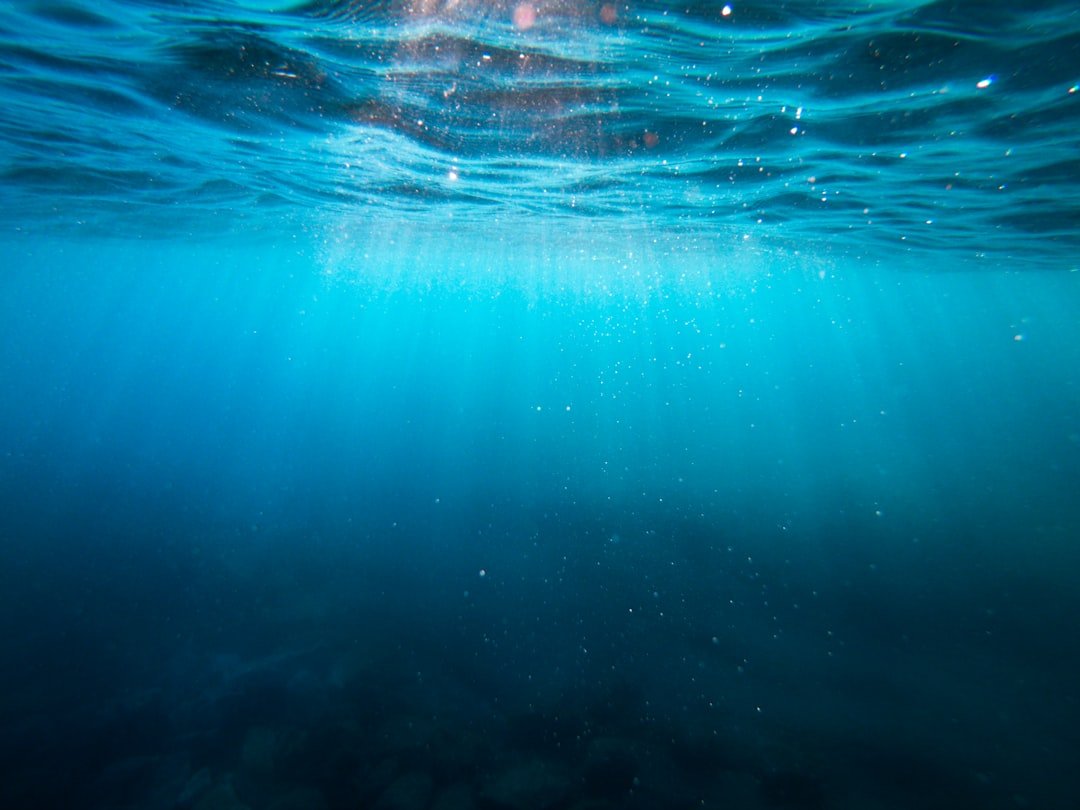
Your GoPro records stunning 4K video, but 30 feet down everything turns murky blue. Underwater lighting for GoPro diving fixes this instantly by restoring reds, oranges, and yellows the camera can’t capture on its own. The right underwater lighting for GoPro diving makes a real difference between footage you’ll watch and footage you’ll delete. Most recreational divers aged 25-50 skip this step entirely, then wonder why their dive videos look lifeless.
Why Underwater Lighting for GoPro Diving Matters More Than You Think
Water absorbs light wavelengths. Red disappears first, around 15 feet. By 40 feet, your GoPro sees a blue-gray monochrome world. You’d think shooting in RAW or boosting exposure in post-production would fix this — it usually doesn’t. The color information is simply gone. External lights add that spectrum back in real time, so your GoPro captures what your eyes actually see.
I’ve been diving with color-correcting lights for years.
The difference between lit and unlit footage is brutal. A coral reef filmed without underwater lighting for GoPro diving looks like a rock pile. The same reef with proper lighting reveals every polyp, every fish, every texture. Post-production color grading can recover maybe 10 percent of that. The light has to be there when you shoot.
Quick Reference: Underwater Lighting Options for GoPro
| Light Type | Depth Range | Battery Life | Best For | Common Issue |
|---|---|---|---|---|
| Single LED Pod | 40-60 feet | 45-90 minutes | Casual recreational dives | Narrow beam, shadows on edges |
| Dual LED Setup | 60-100 feet | 60-120 minutes | Serious video work, wide angle | Heavier, more buoyancy management |
| RGB Strobe Light | 80-130 feet | Variable by battery type | Technical diving, color grading control | Expensive, steep learning curve |
| Built-In GoPro Light | Surface to 40 feet | Camera battery dependent | Snorkeling, shallow reef work | Minimal throw, weak output |
How to Choose Best Lights for Color Correction
Most people don’t realize that lumen output alone doesn’t tell you anything useful. A 2000-lumen light throwing a narrow beam illuminates a small area brightly but leaves the edges dark and blue. A 1500-lumen light with a wide reflector spreads light more evenly across the frame. When you’re buying underwater lighting for GoPro diving, beam angle matters more than raw power.
Color temperature also shifts with depth. A light rated at 5000K (daylight white) at the surface might appear yellow at 60 feet. Lights specifically designed for color correction account for this. They’re tuned to look natural on camera, not natural to your eye.
Here’s where most divers give up: trying to mount a light without a proper arm. The light needs to sit slightly forward and to the side of the camera, not directly on top. Direct overhead lighting creates shadows in the subject’s eye sockets and under rocks. Side lighting wraps around the scene and reveals detail. This is why a flexible mounting system matters as much as the light itself.
Pre-Purchase Checklist: Before You Buy Underwater Lighting for GoPro
- Know your typical dive depth — shallow reef diving (30-50 feet) has different lighting needs than deeper wreck work (70-100 feet)
- Check the light’s depth rating against your planned dives plus a safety margin
- Confirm the beam angle is at least 90 degrees for GoPro’s wide-angle lens
- Verify battery type and whether you can swap it in the field or need to carry backups
- Test the mounting arm’s rotation range before committing — some designs are too rigid
- Read actual diver reviews mentioning color accuracy in real footage, not just spec sheets
Setting Up Your Underwater Lighting for GoPro Diving: Step-by-Step
Condition: You own a GoPro camera and a color-correcting light with a mounting arm.
Audience: Recreational divers with basic camera handling skills, doing dives between 30 and 80 feet.
Method: Proper positioning and power management prevent harsh shadows, uneven exposure, and dead batteries mid-dive.
- Attach the light arm to your GoPro housing using the appropriate cold-shoe mount or ball joint, ensuring it’s locked tight before entering water
- Position the light 6-8 inches forward and 15-20 degrees to the right of the camera lens, angling downward slightly
- Power on the light at the surface and confirm it’s working at full brightness before descent
- Once underwater, let your eyes adjust for 30 seconds, then check the monitor or footage preview to confirm the lighting looks even across the frame
- If shadows appear harsh, rotate the light arm slightly more forward to increase beam spread or tilt it down an additional 5-10 degrees
- During the dive, check the light every 15-20 minutes for any loose connections or water intrusion around the battery cap
- At the dive’s conclusion, power off the light immediately and remove it from the camera before rinsing gear
Warnings: Never force the mounting arm into extreme positions — you can crack the housing connector. Do not exceed the light’s depth rating by more than 10 feet even once. Lights generate heat; allow them to cool for at least 30 minutes before recharging to avoid damaging the battery cell.
My Picks for This
- GoPro Light Mod is the most straightforward option for GoPro Hero cameras, offering native compatibility and reliable color output up to 60 feet on most recreational dives.
- SeaFrogs RGB LED Light delivers dual color-correcting modes and a 110-degree beam angle that works well with best lights for color correction strategies, rated for 100 feet and priced lower than branded alternatives.
- Scubalamp R2 Reeflight combines two independently controlled LED heads with full spectrum control, letting you dial in best lights for color correction for your specific camera and depth combination.
- SOLA Video Light 2000F pushes 2000 lumens with a wide reflector and military-grade housing, trusted by technical divers and videographers who demand consistent underwater lighting for GoPro diving in challenging conditions.
- Neewer Underwater LED Video Light offers a budget-conscious entry point with rechargeable batteries, 30-meter depth rating, and a compact form factor that doesn’t add significant drag or weight to your rig.
Frequently Asked Questions (FAQ)
Q1. How much does quality underwater lighting for GoPro diving cost?
Reliable single-light systems range from 80-250 USD depending on brand and power output. Dual-light professional setups run 300-600 USD or more. Budget options start around 50 USD but often struggle with color accuracy and durability past the first season.
Q2. Can I use any LED light underwater, or does it have to be designed specifically for diving?
Non-diving lights will flood. Period. Any light you use underwater must carry a depth rating from the manufacturer and be tested for salt water. Freshwater depth ratings don’t transfer to salt water — the pressure is the same but the corrosion risk is higher, so plan for the lower depth rating.
Q3. What’s the difference between best lights for color correction and general dive lights?
Color-correction lights are tuned to restore wavelengths across the visible spectrum, especially reds and oranges. General dive lights prioritize brightness and throw distance for navigation. For GoPro video, you want color correction. Navigation lights won’t restore color.
Q4. Will underwater lighting for GoPro diving drain my camera battery faster?
Only if your camera is running the light. External lights run on their own batteries, so the GoPro’s battery lasts the same duration. You’ll need to manage the light’s battery separately and carry spares for dives longer than 60-90 minutes depending on your light’s rated burn time.
Q5. Can I use my underwater lighting for GoPro diving on non-GoPro cameras?
Yes, if you have a compatible mount. Most lights use standard cold-shoe or ball-joint connectors that work with action cameras, compact housings, and DSLR setups. Check the light’s mount compatibility before purchasing, especially for older or unusual camera models.
Q6. How deep can I take underwater lighting for GoPro diving safely?
Never exceed the manufacturer’s depth rating. Most recreational lights are rated 100-130 feet. At your recommended recreational limit of 130 feet, pressure forces water against the seals. Push past that rating once and you risk corrosion or catastrophic failure on the next dive.
Related posts
This post is for informational purposes only and does not constitute professional diving instruction, medical advice, or travel guidance. Scuba diving involves inherent risks — always train with a certified instructor and consult a physician before diving. Prices, product specs, dive site conditions, operator schedules, and entry requirements are subject to change without notice. Always verify current details directly with manufacturers, retailers, dive operators, and local authorities. This site may contain affiliate links — purchases made through our links may earn us a commission at no extra cost to you.