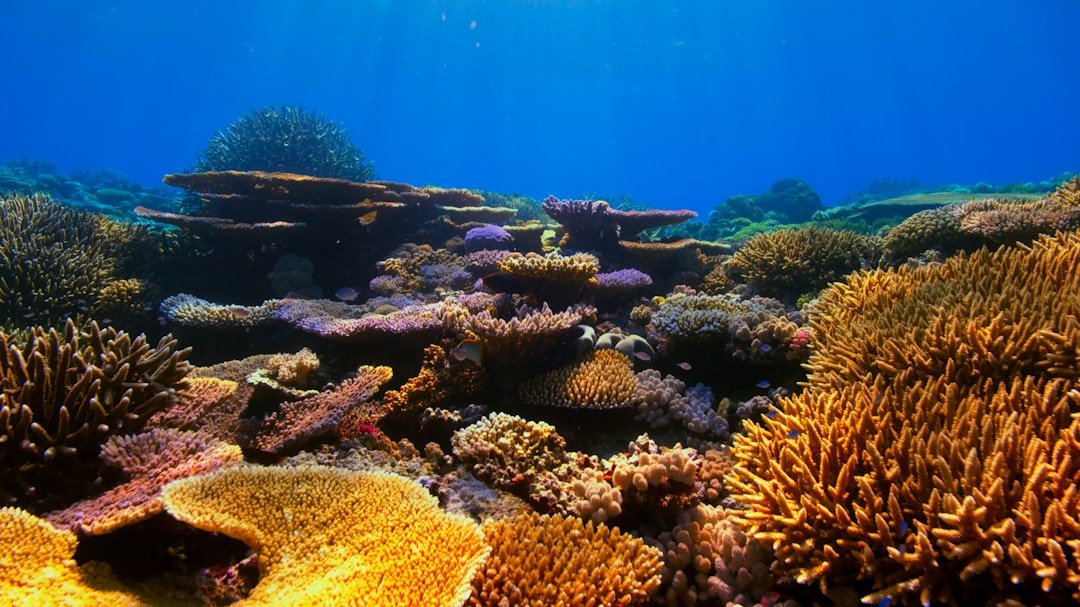
The best drift diving locations around the world for intermediate divers are Cozumel, Palau, the Maldives, Komodo, Fiji, and Raja Ampat when you choose the right season and a cautious operator. Current changes everything. The best drift diving locations around the world are not automatically the fastest or deepest sites, because intermediate divers usually get more enjoyment from a controlled ride, clear navigation plan, and boat support than from fighting difficult water movement.
Drift diving means entering where the current begins, moving with it, and surfacing where the boat can collect the group. It feels effortless when the plan is sound. Conditions can shift during one dive, though, especially near channels, headlands, and reef corners, so a current check, surface marker buoy practice, and a proper pre-dive briefing matter more than a destination’s reputation.
Best drift diving locations around the world
| Destination | Why it suits intermediates | Typical conditions | Best planning point |
|---|---|---|---|
| Cozumel, Mexico | Reliable boat drifts over long reef walls and coral gardens | Usually mild to moderate current, warm water | Choose a smaller group and ask for current expectations |
| Palau | Blue-water walls, reef channels, and strong marine life encounters | Current can be moderate to strong | Build experience before the more demanding channel dives |
| Maldives | Channel dives and thila reefs with regular boat pickup | Current depends heavily on monsoon season and tides | Ask whether the itinerary uses hooks and blue-water entries |
| Komodo, Indonesia | Huge variety, including easier protected drifts | Can change rapidly between sites | Book an itinerary with a stated intermediate route |
| Fiji | Soft-coral reefs and pinnacles with guided current dives | Often moderate, with stronger passages available | Start on sheltered reefs before channels |
| Raja Ampat, Indonesia | Fish-rich reefs and scenic passages | Tidal flow can be substantial near straits | Pick a liveaboard or resort that matches groups by experience |
Cozumel for an easy first drift trip
Cozumel is often the most straightforward place to learn what enjoyable drift diving feels like after basic certification. The reefs run along the island’s western side, and many boat dives follow the current over sloping coral, swim-throughs, and sandy patches while the captain tracks bubbles from the surface. It is simple.
The current is commonly manageable, but it is not identical every day or at every site. Ask the operator whether they expect mild, moderate, or stronger flow, how they group divers, and whether the plan is a standard drift rather than a fixed descent and return to the boat. A guide who sends the group down together and keeps a sensible pace makes a major difference.
Palau and the Maldives for channel experience
Palau gives intermediate divers a useful next step after easier Caribbean drifts. Sites around the German Channel and other reef passages can bring sharks, rays, and schooling fish when water moves through the channels. The action is concentrated. That also means you may need to descend promptly, stay close to your buddy, and hold position near a reef edge rather than simply cruise.
The Maldives offers a similar lesson through channel and thila diving. Incoming or outgoing tides can push water through atolls, drawing marine life to reef corners and cleaning stations. Some dives are relaxed. Others call for a reef hook, controlled buoyancy in blue water, and comfort making a delayed surface marker buoy deployment at the end of the dive.
Neither destination is a place to bluff experience. Before booking, tell the operator your approximate logged dives, recent diving history, and whether you have used a reef hook or deployed an SMB from depth. A certified instructor can help you learn those skills before a trip if they are new to you.
Komodo, Fiji, and Raja Ampat with careful site selection
Komodo has exceptional range, which is both its strength and its trap. Some sites are gentle reef drifts with mild current, while others have downcurrents, fast water, and exposed crossings that are better left to highly experienced divers. Choose carefully. An operator should be willing to say that a planned site is unsuitable for your group on that day.
Fiji can be a comfortable step into Pacific current diving because many resort itineraries include protected coral reefs alongside more exposed pinnacles and passes. The water movement helps feed the soft corals, so guides often time entries around tides. Listen closely. A good briefing should identify the entry method, maximum depth, expected direction of travel, separation procedure, and pickup plan.
Raja Ampat rewards divers who already feel calm in current, particularly around Dampier Strait and narrow passages between islands. The reefs can be packed with fish, but tidal water may accelerate quickly around a point or split a group if divers lag behind. Stay compact. I would treat it as an intermediate destination only with recent drift experience, conservative site choices, and guides who adjust the day around tides rather than forcing a famous site.
How to choose a drift dive operator
Use this quick filter before paying a deposit. First, ask what current range is normal for the specific itinerary, not the destination generally. Second, ask whether guides carry surface marker buoys and whether divers are expected to carry their own. Third, confirm the boat pickup procedure if a buddy pair surfaces away from the group.
Then check the experience policy. If an operator says “all levels” but cannot explain how newer divers are grouped, that is a reason to look elsewhere. Prices vary by region. A smaller guided group can cost more, yet it may be the better value when current and boat coordination are the core of the dive.
Bring an SMB and spool you have practiced with, a whistle or other audible surface signal, and a computer you can read easily while moving. Secure loose gear. A dangling console, camera, or octopus hose catches water and distracts you when you need to monitor depth, buddy position, and the guide.
FAQ
How many dives should I have before drift diving?
There is no universal number. Recent comfort with buoyancy, buddy awareness, descents, and safety stops matters more than a logbook total. Start with a mild, guided drift in warm water, then progress as your control and confidence improve.
Can an intermediate diver use a reef hook?
Only after proper instruction and where local rules and the operator allow it. Reef hooks can damage coral if used carelessly, and they are not needed on every current dive. Practice the technique with a certified instructor before relying on one in a strong channel.
What is the biggest drift diving mistake?
Dropping behind the group while focusing on scenery or a camera is a common problem. Check your buddy and guide often. If you are separated, follow the briefing rather than making an improvised chase through current.
Which season has the best drift conditions?
There is no single global season because currents depend on tides, wind, rainfall, and local geography. Ask for the destination’s seasonal current pattern, water temperature, and visibility before booking, then plan exposure protection and site expectations around that answer.
Related posts
This article is for general informational purposes only and is not dive training or medical advice. Always train with a certified instructor and consult a doctor before diving if you have any health concerns. Gear specs, pricing, site conditions, and operator schedules change, so verify current details directly with the manufacturer or dive operator.
Disclosure: This post may contain affiliate links. If you click through and make a purchase, we may earn a commission at no extra cost to you. We only recommend gear we’ve researched or genuinely believe in.