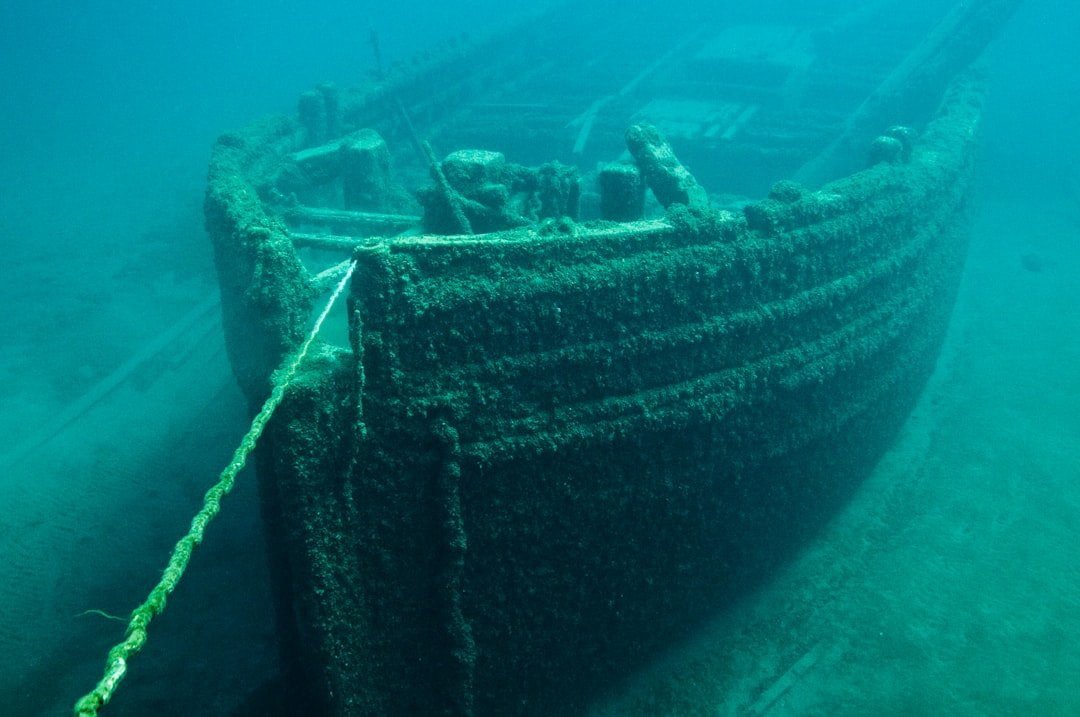
Your buddy is waiting at the descent line while you fight a reel clip with cold fingers. The best dive reel for wreck diving is usually a simple primary reel sized for the planned route, with tough line, a dependable locking method, and a handle that stays manageable in gloves. Keep it simple. For penetration diving, that choice matters because a reel is a navigation tool, not an accessory or a substitute for wreck training.
A good wreck reel should pay out line smoothly, resist a free-spool, and remain easy to deploy when visibility drops or your buoyancy changes. That is the job. The right capacity depends on the wreck, the intended penetration distance, turns in the route, and the line needed to reach open water with reserve, so a huge reel is not automatically safer.
Best dive reel for wreck diving starts with the dive plan
Buy the reel after you understand the type of wreck diving you actually plan to do. A short swim-through in daylight near an obvious exit may call for a compact reel or spool, while a planned overhead penetration with restrictions, multiple turns, or a deeper interior calls for equipment selected within formal overhead-diving training. Training comes first. A reel cannot make an untrained wreck penetration safe.
Think about the line route before looking at colors or brand names. You need enough line to run from a secure tie-off outside the overhead environment to the furthest planned point, then still have a meaningful reserve for re-routing, a missed tie-off, or an exit altered by poor visibility. Leave margin. Your instructor’s planning method should set the exact reserve and limits for the course and environment.
Reel capacity also changes handling. More line means a larger diameter spool, more bulk on the harness, and more line available to create a mess if the reel is dropped or allowed to free-spool. A compact primary reel is easier to stow. A larger unit may make sense for longer planned penetrations, but it adds drag and demands better line-management discipline.
Choose a primary reel, safety spool, or cave-style reel
Most wreck divers shopping for a main navigation reel are looking at a primary reel with a handle, a frame, and a locking mechanism. This is the usual choice. A primary reel is designed for laying a continuous guideline during planned penetration and is generally easier to wind under tension than a bare finger spool.
A safety spool is a separate, compact backup item with line wound around a center post. It is useful for a temporary gap, a lost-line response taught in an appropriate course, or a short connection between fixed lines. It is not usually the first choice for laying a long primary line into a wreck. Its small size is the point.
Cave-style primary reels are also common in wreck configurations because the basic operating demands overlap: reliable deployment, controlled winding, and minimal parts that can jam. The label matters less than the layout. Look for a reel that can be clipped off neatly, locked positively, and used without searching for tiny controls.
A compact enclosed reel, often sold for surface marker buoy deployment, can work well for that specific task but is a different tool. Do not confuse jobs. Enclosed housings can reduce loose-line exposure, yet they may be awkward for laying a long guideline through an overhead space and can be harder to clear if line crosses inside the mechanism.
Line length and diameter make the biggest trade-off
Many primary reels are sold in capacities around 120 to 400 feet, with some larger options beyond that range. Prices and exact capacities vary by region and line choice. For a newly trained wreck diver whose planned routes remain short, a reel around the lower end of that range may be more practical than a bulky long-range model, provided it meets the course plan and instructor guidance.
Line diameter is a balance between visibility, strength, drag, and spool capacity. Thicker line is easier to feel with gloves and can be easier to see in a light beam, but it takes more room and creates more drag in current. Thinner line packs down well. It may be less pleasant to manage with thick dry-glove systems or numb hands.
Most buyers will encounter braided nylon or polyester guideline. Braided line tends to handle well and is widely used, while line material, color, and breaking strength should match the maker’s current specifications and your training agency’s guidance. Avoid bargain cord with unknown construction. It can fray, flatten, absorb contamination, or perform unpredictably when loaded.
High-visibility white or yellow line is common because it can show up well against many dark wreck interiors. Contrast changes underwater. A pale line can disappear against light sand, silt, or a white-painted bulkhead, so color alone is never a navigation plan. Your lights, team communication, and line-following skills still matter.
Handle, frame, and lock details that matter underwater
A reel handle should be large enough for the gloves you use most often. Test this on land. Put on the same wet gloves or dry gloves you dive in, then clip, release, turn, and rewind the reel without removing a glove. If your fingers repeatedly hit the frame, move to a larger handle or a simpler design.
Look for a sturdy frame that protects the spool edges without trapping line in narrow gaps. Open-frame reels are easy to inspect and rinse. They also leave more line exposed to snags. Fully enclosed designs contain the line better, but any internal crossover can be harder to spot and fix underwater.
The locking method deserves close attention. Some reels use a set screw, some use a friction-style control, and others rely on a handle or knob design that prevents the spool from rotating when secured. You want a deliberate lock. A reel that releases after a light bump can dump a loose coil of line at exactly the wrong moment.
A locking mechanism should also be simple enough to operate without looking directly at it. Tiny screws and complex release tabs can be frustrating in poor visibility or cold water. Fewer moving parts usually means fewer things to inspect. Rinse and dry the reel after diving in salt water, then check that the lock still engages cleanly before the next trip.
Hardware and attachment points need careful scrutiny
Most divers attach a primary reel with a bolt snap that can be operated one-handed with gloves. Choose marine-grade hardware from a known dive manufacturer or a reputable hardware source, and inspect the gate action before every trip. A sticky clip is trouble. It can delay deployment or make stowing the reel needlessly awkward.
The attachment hole or handle opening needs enough room for the selected snap without crowding the reel. If the clip binds against the frame, it may accidentally press the gate or leave the reel hanging at an odd angle. Dry-fit it first. This small compatibility check is easier at home than on a rocking boat.
Do not add decorative clips, extra lanyards, or dangling accessories unless your training configuration calls for them. Loose attachments create snag points around railings, valves, jagged steel, and fishing line. A clean setup is easier to troubleshoot. It also makes it easier for a teammate to identify and handle your equipment if needed.
Research-based reel options worth comparing
Dive Rite, Halcyon, Apeks, and OMS are established names commonly seen in technical and overhead-oriented equipment catalogs, although each brand’s current range changes. Compare the current model rather than assuming every reel in a brand lineup is intended for the same job. Manufacturer photos can help with layout. They cannot show how the reel feels in your gloves.
Dive Rite primary reels are often included in wreck and cave equipment discussions because the company offers purpose-built open-frame reel designs in several line capacities. Check the current catalog for the exact handle, line type, and locking arrangement. Model details change. A capacity that looks ideal online can still be too large for your gear storage position.
Halcyon Pathfinder-style primary reels are another category to compare if you want a conventional technical-diving layout with a handle and sturdy-looking frame. Review current specifications directly before purchase, especially line length and the included snap. Some retailers bundle hardware differently. That affects the real cost.
Apeks Lifeline reels are worth researching for divers who prefer a more enclosed housing and a ratchet-style approach to line control. That design can appeal to divers worried about accidental free-spool. It also introduces a different operating feel, so practice in open water before relying on it near an overhead environment.
There is no universal winner. An open-frame reel may be easier to inspect and rewind, while an enclosed reel may better contain loose line during transport or surface-marker use. Your glove thickness, sidemount or backmount configuration, local wreck conditions, and training procedures should decide the final choice.
A practical buying checklist
- Write down the maximum route length and reserve method taught in your wreck course.
- Choose a reel capacity that meets that plan without adding unnecessary bulk.
- Wear your normal gloves and test the handle, lock, and bolt snap on land.
- Inspect whether the reel stows securely on your actual gear configuration.
- Confirm the line material, diameter, and current manufacturer specifications.
- Practice deployment, tie-offs, winding, and stowing in open water with a certified instructor before any overhead use.
Budget for more than the reel itself. You may need a suitable bolt snap, line markers approved by your training approach, replacement line, and time in the water to build familiarity. Practice is part of the purchase. A lower-priced reel that works cleanly with your setup can be a better value than a premium model that stays in a gear bin because it is awkward to operate.
Before each dive, inspect the line for cuts, fuzzy sections, flattened spots, or contamination, then check the frame for cracks and the lock for smooth engagement. Replace damaged line rather than hoping it lasts one more trip. Line is cheap compared with the consequences of a failure inside an overhead environment. When in doubt, ask a certified wreck or overhead instructor to inspect your setup.
Frequently asked questions
How much line do I need for wreck penetration diving?
The required length depends on the planned route, the tie-off location, expected turns, and the reserve procedure taught in your training. Start with the dive plan. Do not choose capacity based only on a wreck’s published overall length, because you may travel only a small part of it or need more line for a complex route to open water.
Can I use a finger spool instead of a primary reel?
A finger spool can be appropriate for short tasks and backup use, but it is usually less convenient for laying a longer primary guideline through a wreck. It has no handle. For planned penetration diving, follow the equipment standards and procedures taught by your certified instructor rather than substituting gear because it is smaller or cheaper.
Is an enclosed wreck reel safer than an open-frame reel?
Neither layout is automatically safer. An enclosed reel can protect line from loose loops, while an open-frame design makes the spool and line easier to inspect and clear. Practice decides a lot. Choose the design you can reliably lock, deploy, rewind, and stow in the gloves and water conditions you actually use.
Should I buy a reel with the most line capacity?
No. Excess capacity adds bulk and gives loose line more opportunity to tangle if handling goes wrong. Buy enough capacity for your trained plan and reserve. If your diving progresses into longer or more complex penetrations, discuss the next equipment step with a certified overhead instructor.
What maintenance does a wreck reel need?
Rinse it in fresh water after salt-water dives, allow it to dry, and inspect the line before packing it away. Keep it clean. Check the lock, handle, frame, and bolt snap for corrosion, cracks, stiffness, or sharp edges, and replace worn line or damaged hardware before diving.
Related posts
This article is for general informational purposes only and is not dive training or medical advice. Always train with a certified instructor and consult a doctor before diving if you have any health concerns. Gear specs, pricing, site conditions, and operator schedules change, so verify current details directly with the manufacturer or dive operator.
Disclosure: This post may contain affiliate links. If you click through and make a purchase, we may earn a commission at no extra cost to you. We only recommend gear we’ve researched or genuinely believe in.