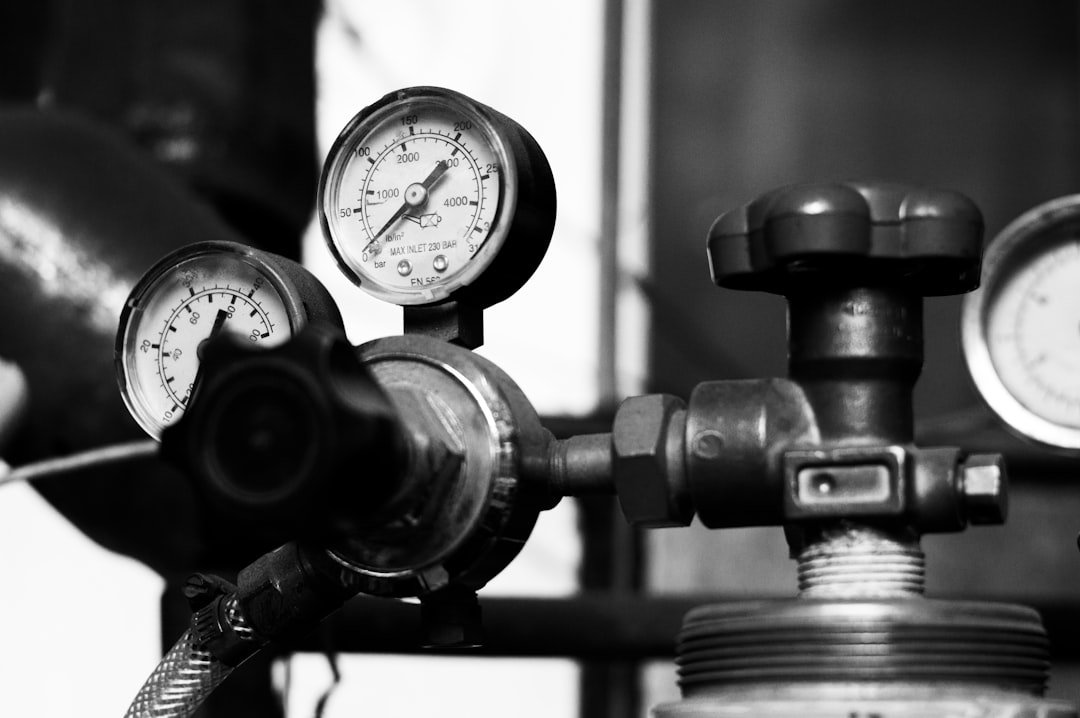
You are packing for a week of rental-tank diving, and the DIN vs yoke regulator valve choice is simple for most people: choose yoke. It travels well. A DIN vs yoke regulator valve comparison often starts with size or pressure ratings, but rental-cylinder compatibility matters more when you land somewhere with an unfamiliar valve rack and only have one regulator in your bag. For the typical recreational diver who flies to resorts, joins liveaboards, and rents cylinders, yoke is the practical default.
Why yoke wins for most travel divers
A yoke first stage clamps over the outside of a cylinder valve, with the regulator’s O-ring seated against the valve face. It is familiar. The connection is common at many warm-water vacation destinations, and it is also compatible with DIN-style rental valves when the valve has its removable insert fitted, which gives a yoke regulator the broadest real-world rental flexibility.
That last point drives the recommendation. A travel diver using a yoke regulator can usually connect directly to a yoke valve and can often connect to a DIN valve that has the correct insert installed, while a DIN regulator cannot attach directly to a yoke-only valve without an adapter. An adapter is manageable, but it is one more metal part to pack, inspect, lose, or discover you left on the kitchen counter.
Rental operations vary widely. Some will have both valve types available, some can install or remove inserts for you, and some have a fixed fleet that gives you little choice on the day. A yoke regulator leaves fewer questions for a traveler who does not know exactly what cylinders will be waiting at the destination.
There is also a simple practical benefit at check-in. If your regulator is yoke, the staff can often see the connection type immediately and hand you an appropriate cylinder without hunting for a conversion fitting or changing your assigned tank. That does not make yoke technically superior in every setting. It makes it the more forgiving purchase for common rental travel.
Choose yoke if these describe you. You rent cylinders on most trips, dive primarily in warm recreational water, and have no confirmed plan to use DIN cylinders at home or abroad. Keep it simple.
How the DIN vs yoke regulator valve connections differ
DIN and yoke describe how the first stage attaches to the cylinder valve. They are not different breathing systems. Both connection types can be used on good-quality regulators maintained to the manufacturer’s schedule, and either type can deliver a normal recreational diving experience when correctly assembled and matched to the cylinder.
A DIN first stage has a threaded post that screws into the valve. The O-ring sits within the regulator’s threaded connection rather than on the exposed valve face. This arrangement is compact and protects the O-ring more effectively from an accidental knock during setup, which is one reason DIN is popular with divers who use their own cylinders often.
A yoke first stage fits around the valve outlet and tightens with a screw. Its O-ring is visible. You can inspect that O-ring before every dive, which is useful, although you also need to take more care that it is clean, present, and not nicked before you pressurize the system.
The cylinder valve is the key variable. A yoke-only valve accepts yoke equipment directly. A DIN valve accepts a DIN regulator directly, but many recreational DIN valves can also accept a yoke regulator when a suitable insert is in place. Do not assume every valve has that insert. Ask the operator before the trip or at least before assembling your kit.
Pressure markings need attention too. Some DIN equipment is rated for higher-pressure cylinder systems than yoke equipment, but that does not mean a higher pressure is automatically better or appropriate for your dives. Use only the cylinder, valve, regulator, and filling arrangement approved by their manufacturers and the dive operation. If pressure ratings confuse you, get a certified instructor or qualified technician to walk you through the equipment before a dive trip.
When DIN is the better travel choice
DIN wins when you already dive DIN at home and your travel plans reliably support it. It is a strong choice. Many divers who own cylinders, dive in cooler water, or use more advanced configurations prefer the compact threaded connection and the recessed O-ring arrangement.
DIN is also a sensible travel purchase if you regularly visit places where DIN cylinders are the normal rental option and the operator has confirmed that yoke cylinders or inserts are not needed. Parts of Europe are a common example, although individual dive centers can still have mixed inventories. Confirm it first.
The first stage itself can pack a little more neatly because it lacks the yoke frame and tightening screw. That is a real benefit for carry-on space, though it is modest compared with the space taken by a BCD, exposure suit, fins, or camera housing. A compact DIN first stage does not remove the need for a valve adapter if your destination supplies yoke-only cylinders.
Choose DIN when your diving pattern is stable rather than random. If most of your dives use DIN valves, buying DIN avoids adapting your normal setup for occasional trips. A DIN-to-yoke travel adapter can cover destinations with yoke valves, provided the adapter is compatible with your regulator and has been checked for condition.
There is a trade-off. A DIN regulator plus adapter is usually bulkier and less elegant than a yoke regulator connected directly to a yoke cylinder, and the added connection gives you another O-ring and sealing surface to inspect. Pack the adapter in a padded regulator bag. Do not leave it loose in checked luggage.
What matters more than the connection type
A regulator that fits the rental valve is only useful if the rest of your travel setup works. Start with service status. Manufacturers set service guidance for their own models, and a regulator that has sat unused for years deserves an inspection by a qualified regulator technician before an overseas trip.
Check the hose routing at home. Assemble the first stage on a cylinder, attach your alternate air source, SPG or transmitter, inflator hose, and any drysuit hose if relevant, then confirm that nothing pulls hard against your neck or blocks access to the tank valve. Five quiet minutes at home can prevent a rushed dockside adjustment.
Bring a small, appropriate spares kit if you know how to use it within your training and the manufacturer’s instructions. A few compatible O-rings, a mouthpiece tie, and a port plug are often more useful than a random assortment of tools. Keep it legal and simple. Dive operators may prefer to handle repairs themselves.
Talk to the operator before departure if you have a DIN regulator, side-mount configuration, an unusually long hose setup, or a high-pressure transmitter that needs a specific port arrangement. Ask what cylinder valves they supply and whether they have inserts or adapters available. Get the answer in writing if the trip depends on it.
Airline rules matter as well. Regulators are generally less troublesome to pack than cylinders, but airline security rules and baggage allowances can change. Check the airline’s current guidance directly. Never travel with a pressurized cylinder unless the carrier and applicable transport rules specifically permit it.
A quick way to choose your regulator connection
- List your next ten likely dives. Be realistic. If most are rental-tank holiday dives in locations you have not booked yet, start with yoke.
- Ask your home dive operator what valves you use. Local habits matter. If every cylinder you rent or own uses DIN, DIN may fit your actual diving better.
- Check your planned destinations. Email the operator and ask whether its rental cylinders are yoke-only, DIN-only, or DIN valves with yoke inserts. Save the response.
- Count adapters as gear you must maintain. If DIN requires an adapter for your trip, include its weight, bulk, O-ring, and failure points in the decision. Small parts still matter.
- Buy for your normal diving, not one dream itinerary. A single future trip should not dictate years of inconvenient setup. Your regular dives count more.
Here is a straightforward example. A diver based in Canada takes two warm-water vacations a year, rents all cylinders, and has no fixed European diving schedule. Yoke is the clean choice because it should connect directly to many rental tanks and can often use a DIN valve with its insert fitted. Less hardware. Fewer surprises.
Now change the facts. A diver lives near DIN-only rental cylinders, owns a DIN-compatible setup, and books trips with operators that confirm DIN valves. DIN becomes the better choice because it matches the equipment used on nearly every dive, while an adapter can stay packed only for the occasional yoke destination.
Adapters, inserts, and common mistakes
The terminology can get confusing fast. A valve insert is a piece fitted into some DIN cylinder valves so a yoke regulator can seal against the valve face. A DIN-to-yoke adapter attaches to a DIN regulator and lets it connect to a yoke valve. They solve opposite compatibility problems.
Do not remove a cylinder-valve insert unless the operator approves it and you know the correct procedure. It can be small, slippery, and easy to damage or misplace. The cylinder belongs to the operator. Let their staff handle its valve hardware when possible.
Inspect every O-ring before pressurizing. For a yoke setup, look for a clean, properly seated O-ring with no obvious cut, flattening, or grit. For DIN, inspect the regulator’s threaded O-ring and the threads themselves. A damaged thread is not a field repair. Stop and ask the dive staff for help.
After connecting either system, open the cylinder valve slowly while listening for leaks, confirm your pressure reading, and breathe from both second stages before entering the water. Then check again after the gear is on your back. This is basic pre-dive discipline, not a replacement for training.
Never force a regulator onto a valve. Cross-threading a DIN connection or tightening a yoke against a poor seal can damage expensive gear and create a leak. If the connection does not feel right, stop. A certified instructor, dive guide, or qualified equipment technician can help identify the issue before the dive.
FAQ
Is DIN safer than yoke?
DIN’s recessed O-ring and threaded connection offer useful protection against a bumped or displaced O-ring, particularly on busy boats and in demanding configurations. That does not make a properly maintained yoke setup unsafe for normal recreational diving. Both are widely used. Correct assembly, inspection, service, and valve compatibility matter every time.
Can a yoke regulator fit a DIN tank?
Often, yes, if the DIN cylinder valve has the correct yoke insert installed. Some rental operators keep these inserts in their DIN valves specifically for yoke compatibility. Ask first. Do not assume an open-looking valve will accept your yoke first stage.
Can a DIN regulator fit a yoke tank?
Not directly. You need a compatible DIN-to-yoke adapter between the regulator and a yoke-only valve. It works for many travelers, but it adds bulk and another sealing point, so it is less convenient than taking a yoke regulator when yoke rental valves are likely.
Is DIN lighter for air travel?
A DIN first stage is generally smaller than a yoke first stage, so it can save a little space and weight. The difference is small. If you need a yoke adapter at your destination, much of that packing advantage disappears.
Should I switch my existing regulator before a trip?
Usually, no. Do not change a reliable regulator connection solely because of one trip unless the operator has confirmed your current setup will not work. A suitable adapter or operator-supplied cylinder option may be simpler. Any conversion work should be done by a qualified technician using manufacturer-approved parts.
The bottom line for travel
Buy a yoke regulator if you are the common travel diver who rents cylinders in varied destinations and wants the fewest compatibility headaches. It is the better default. Buy DIN if your normal diving already uses DIN valves, your destinations confirm DIN support, or you specifically prefer its compact threaded connection and accept carrying an adapter for yoke-only locations.
Whichever connection you choose, confirm the rental valve before you fly, inspect the seal before every dive, and keep your regulator maintained. Compatibility comes first. No valve style compensates for skipped checks or training gaps.
Related posts
This article is for general informational purposes only and is not dive training or medical advice. Always train with a certified instructor and consult a doctor before diving if you have any health concerns. Gear specs, pricing, site conditions, and operator schedules change, so verify current details directly with the manufacturer or dive operator.
Disclosure: This post may contain affiliate links. If you click through and make a purchase, we may earn a commission at no extra cost to you. We only recommend gear we’ve researched or genuinely believe in.