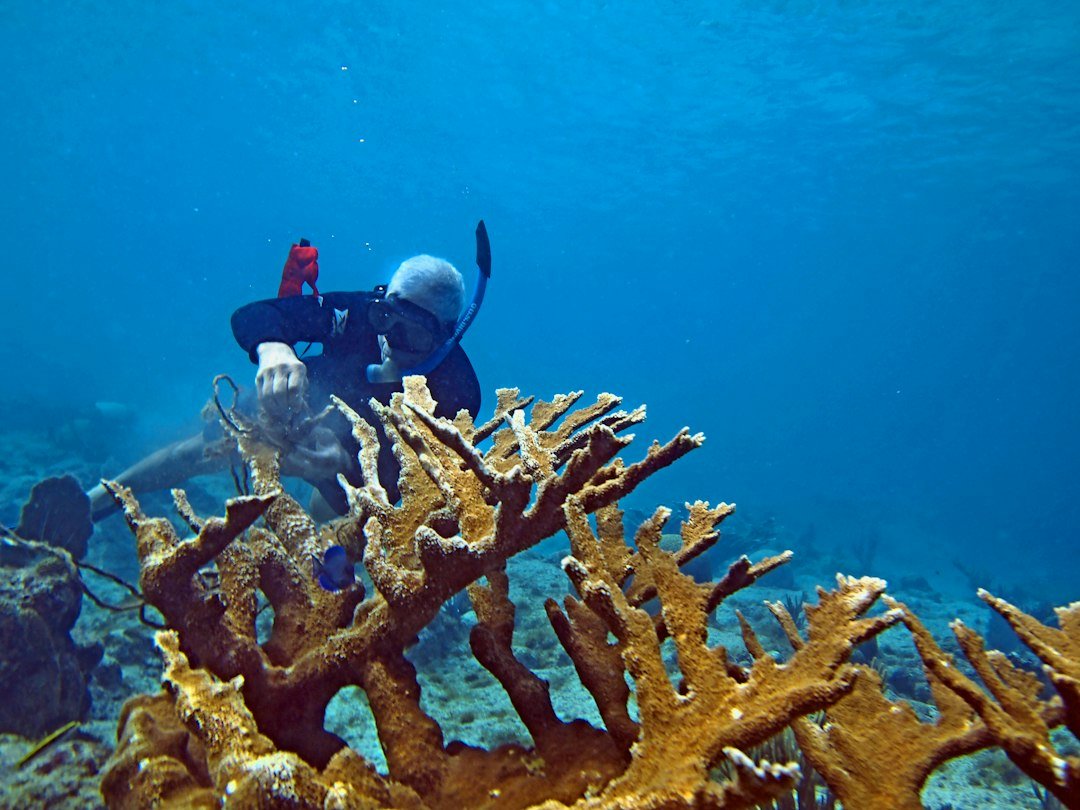
A common misconception is that the best diving in the Philippines means remote, advanced liveaboard diving; for beginner divers, the better choice is usually a sheltered reef with short boat rides, clear briefings, and an easy exit. In practice, some of the country’s most rewarding diving is highly accessible, with healthy coral, turtles, macro life, and sandy training areas close to shore.
The country has thousands of islands, so conditions change sharply between regions and seasons. Pick carefully. A site that feels relaxed in the morning can have stronger current, chop, or reduced visibility later in the day, especially during changing weather.
Best diving in the Philippines for beginner divers
Dauin, on Negros Oriental, is one of the easiest places to recommend if you are newly certified or taking an Open Water course. Most dives are short boat rides or shore entries over dark volcanic sand, with shallow slopes that let you settle in before descending deeper.
Rather than huge reef walls, Dauin is known for small marine life. You may see frogfish, nudibranchs, pipefish, scorpionfish, sea horses, and unusual crustaceans if you slow down and look closely. This is useful practice. Good buoyancy matters more here than swimming fast, because many subjects sit low on the sand or hide beside small coral patches.
Ask an operator which sites have the gentlest entry that day, rather than booking based only on a famous creature list. Conditions decide. A beginner can enjoy a shallow sandy slope far more than a difficult site with a rare animal they never get to see.
Panglao is a simple first island trip
For divers who want beach time and restaurants alongside straightforward logistics, Panglao beside Bohol is a practical choice. The island has a wide range of accommodation within a manageable distance of dive centers, while many operators run short morning boat trips to sheltered reefs.
Balicasag Island is the headline trip for many visitors, with reef slopes, schooling fish, turtles, and often good visibility, but it may not be the best first dive of the day for every new diver. Check first: current and surface conditions can vary, and some boat trips involve a longer crossing than local Panglao sites.
For a fresh Open Water diver, local Panglao reefs may be the smarter starting point. A relaxed checkout-style dive lets you test your weighting and see how you handle the boat routine before committing to a farther island excursion.
Puerto Galera gives beginners variety
Many travelers choose Puerto Galera in Oriental Mindoro because they can combine a road transfer from Manila with a ferry crossing, then dive for several days without taking another domestic flight. Its sheltered bays, colorful reefs, sandy sites, and dive centers accustomed to teaching and guiding recreational visitors provide plenty of variety.
When wind picks up on one side of the peninsula, the differences between bays and offshore sites give a good operator alternatives. Ask for protected water; sites around Sabang can suit beginners, while several better-known offshore and drift dives are more appropriate after you have gained confidence.
The transfer day needs realistic planning. Ferry schedules and weather can affect timing, so avoid arranging a tight same-day international connection after your final dive. Leave room. Confirm the current transport plan directly with your resort or dive operator before booking flights.
Moalboal is great after basic confidence
Near Panagsama in Moalboal on Cebu, dense schools of sardines gather surprisingly close to shore, creating the famous sardine run. Although the site can work for beginners with a guide, the reef drops away quickly and surface conditions are not always as quiet as those in a protected bay.
Because the sardines are often reached by shore entry, you need to be comfortable walking in fins, managing waves at the edge, and descending without a boat line. If you are anxious about entries or have very few dives, arrange a gentler boat dive first and take your time.
Pescador Island is another common Moalboal trip, with reef walls and fish life that make it worthwhile when conditions are favorable. Tell the dive center exactly how many logged dives you have, when you last dived, and whether you have experience with current or boat entries so they can judge whether it is suitable.
Anilao rewards slow, shallow diving
Photographers, macro fans, and divers who enjoy careful observation are especially drawn to Anilao in Batangas, one of the closest major dive areas to Manila. Many sites have excellent small-life encounters in relatively shallow water, which can make air consumption and buoyancy control easier to manage.
Not every Anilao itinerary is beginner-friendly: some sites have current, deeper profiles, or boat entries that feel busy during weekends. A reputable center can select a mellow reef, arrange a private guide where available, or recommend a refresher before open-water dives.
If you have not dived for a year or more, a pool session or formal refresher is often a sensible first step. Your instructor can assess skills such as mask clearing, regulator recovery, neutral buoyancy, and safe ascents in the actual conditions you will face.
How to choose the right base
Use your experience level as the main filter, not the number of impressive dive sites on a map. For a first overseas dive holiday, prioritize calm water, boats with shaded seating and ladders, short travel times, small guide groups, and an operator willing to adjust plans.
- Choose your conditions. Ask whether the planned sites usually have current, surf entries, deep walls, or long boat crossings. Be honest.
- Check the guide ratio. A smaller group gives a new diver more time to descend, equalize, and sort out minor equipment issues without pressure.
- Plan conservative dives. Make the first dive shallow and easy, then decide whether a second site feels appropriate after you have checked weighting and comfort.
- Protect your no-fly time. Follow your training agency’s guidance and your computer’s instructions, and leave a generous buffer before flying.
Do not select a destination just because a social post shows a whale shark, thresher shark, or deep wreck. Those dives can be excellent. They may also involve early boats, current, depth, surface chop, or profiles unsuitable for someone still learning basic control.
Season, visibility, and practical packing
The Philippines can be dived year-round, but regional weather patterns matter more than a single national “best season.” For example, Cebu and Bohol are often favored for generally drier, calmer conditions from roughly December to May, while Puerto Galera and Anilao commonly see their more reliable dry-season weather from about November to May. Ask operators about the specific month you plan to visit, expected wind direction, water temperature, visibility range, and whether boats still run during rough weather.
Many recreational divers are comfortable in a 3 mm wetsuit in warmer periods, particularly around Cebu and Bohol where water often feels around 27–30°C. Around Mindoro and Anilao, water can feel cooler during the dry-season months, sometimes roughly 25–28°C, so some divers prefer 5 mm neoprene for multiple dives. A thin hooded vest or rash guard can help with sun exposure and repeated dives, but fit and thermal comfort are personal.
Pack a surface marker buoy only if you know how to use it and local procedures allow it. Practice matters. Your computer, mask, and properly fitting fins are usually the most useful personal items to bring, especially when rental sizing is uncertain.
For beginner divers, Dauin is often the calmest all-round choice, Panglao is easy for a mixed beach-and-diving trip, Puerto Galera offers variety near Manila, and Moalboal suits those ready for slightly more active shore diving. The best trip is the one where you finish each dive comfortable, warm enough, and keen to improve your skills on the next one.
Related posts
This article is for general informational purposes only and is not dive training or medical advice. Always train with a certified instructor and consult a doctor before diving if you have any health concerns. Gear specs, pricing, site conditions, and operator schedules change, so verify current details directly with the manufacturer or dive operator.
Disclosure: This post may contain affiliate links. If you click through and make a purchase, we may earn a commission at no extra cost to you. We only recommend gear we’ve researched or genuinely believe in.