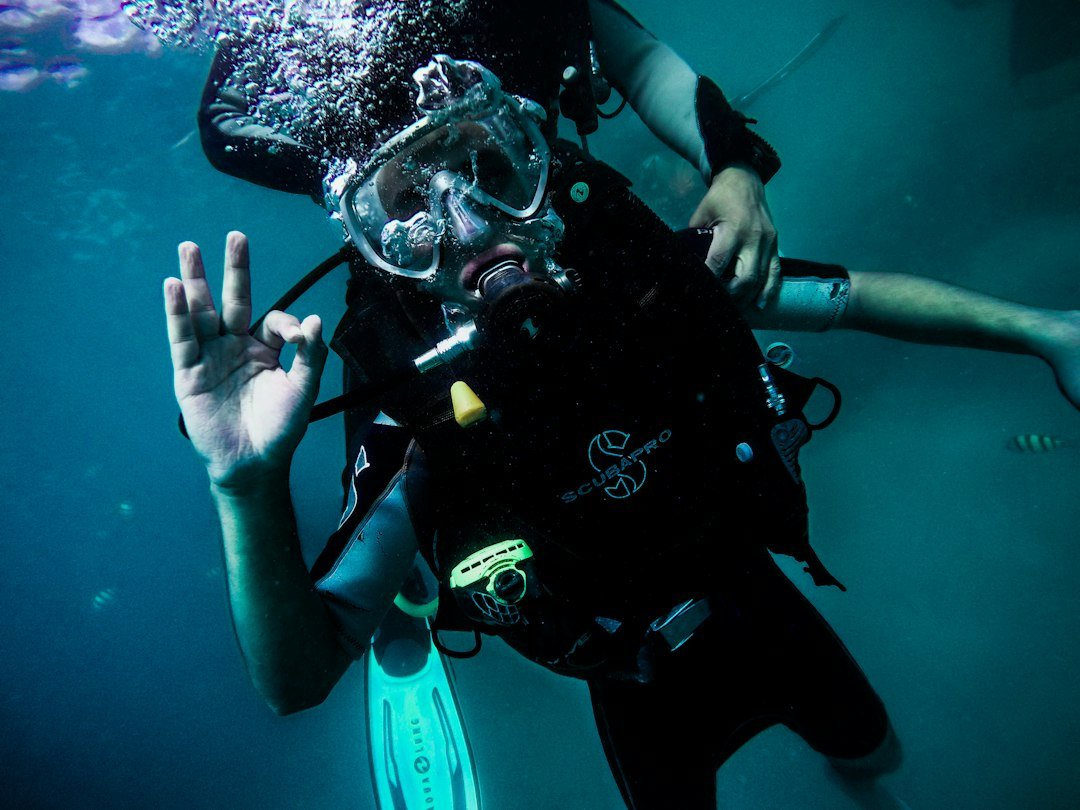
You are rinsing salt from your mask after a weekend dive and asking how to become a scuba instructor. The practical route is to become a confident recreational diver first, build substantial supervised and independent experience, qualify as a dive professional, complete an instructor course, and pass your training agency’s evaluation. It takes time. Plan on steady diving over many months or longer, rather than treating instructor status as a quick upgrade after your first few certifications.
How to become a scuba instructor step by step
The exact names, standards, and minimum dive numbers depend on the agency you choose, such as PADI, SSI, NAUI, BSAC, or another recognized organization. Requirements differ. Most routes move through the same broad stages: entry-level certification, advanced and rescue skills, leadership-level training, instructor development, then an assessed instructor examination. Read the current standards from your chosen agency before paying deposits, because professional requirements, medical forms, insurance rules, and renewal policies can change.
| Career stage | Main goal | What to focus on |
|---|---|---|
| Open Water Diver | Learn core scuba skills | Buoyancy, mask skills, safe ascents, dive planning |
| Advanced and specialty training | Broaden dive experience | Navigation, deeper diving within training limits, night or limited-visibility conditions |
| Rescue-level training | Manage diver problems | Recognition, response, surface management, emergency planning |
| Divemaster or equivalent | Learn supervision and leadership | Briefings, site logistics, guiding, assisting courses, risk awareness |
| Instructor development | Learn to teach agency programs | Skill demonstrations, student control, knowledge development, standards |
| Instructor evaluation | Demonstrate professional competence | Teaching presentations, rescue skills, standards application, assessments |
Start with strong recreational foundations
Your Open Water course is the starting point, not your professional résumé. Start with control. Before chasing the next card, get comfortable maintaining neutral buoyancy, holding position without finning up silt, deploying a delayed surface marker buoy if your local diving needs one, and staying calm when a mask floods or a regulator free-flows. An instructor has to demonstrate these skills clearly while watching several other divers, often in current, surge, cold water, or low visibility.
Take courses that match the diving you actually expect to do. Keep it relevant. If you live near cold lakes, drysuit familiarity and navigation practice may matter more than a tropical drift-diving specialty; if you expect to work on boats, learn solid entries, exits, surface procedures, and seasickness management. Specialty cards alone do not make someone experienced, but structured practice can give your logged dives a useful purpose.
Complete rescue-level training before moving into professional supervision. This is a major step. Rescue courses ask you to spot problems early, respond to a tired or distressed diver, manage missing-diver scenarios, and organize assistance at the surface. The course can feel demanding because it should. It is also where many divers learn whether they genuinely enjoy responsibility for other people rather than only their own dive.
Deal with medical and fitness questions early. Do not guess. Most agencies use a diver medical questionnaire, and certain answers may require a doctor’s review before training continues. An instructor’s work can include lifting cylinders, climbing ladders in rough water, towing divers, kneeling in pools for long periods, and repeated dives across busy days. A certified instructor can explain course demands, while a doctor should advise on your personal health and fitness for diving.
Build experience that prepares you to lead
Log real dives. Numbers matter, but context matters too. A logbook filled with easy, guided vacation dives may meet an agency minimum while leaving gaps in navigation, site assessment, cold-water procedures, shore entries, or handling changing conditions. Seek varied dives within your training and local conditions, and write useful notes: exposure protection, depth, visibility, current, gas used, weighting, task load, and what you would change next time.
A common professional-path benchmark is a minimum logged-dive count before you can begin leadership or instructor training, followed by a higher count before an instructor examination. Check the current agency standard. For example, a PADI-style pathway has commonly required 60 logged dives to start instructor development and 100 logged dives before the Instructor Examination, alongside other prerequisites. Those figures are not a substitute for readiness, and another agency may set different milestones.
Good experience includes helping under direct supervision during courses or guided dives once your training permits it. Watch how a professional checks equipment fit, organizes students before entering the water, sets turnaround pressure, counts heads, and changes a plan when weather shifts. Small habits matter. A calm pre-dive briefing and an accurate head count prevent more problems than flashy underwater skills.
Become a dive professional
The leadership course is often called Divemaster, Dive Guide, or a similar title depending on the agency. This is the pivot. You move from being a customer to learning how to supervise certified divers, assist instructors, guide dives, conduct briefings, map sites, and handle practical operations. It is also the stage where you begin to see the less glamorous work: rinsing rental gear, carrying cylinders, completing paperwork, and staying organized when a boat schedule changes.
Choose your training location with care. A busy resort can give exposure to boats, guests, and high-volume entry-level classes, while a local inland center may offer more repetition with planning, conditions, and community divers. Neither is automatically better. Ask how many active instructors work there, how often candidates assist real classes, whether there is a clear mentoring plan, and what happens if weather delays the schedule.
Pick one agency pathway and understand its ecosystem before committing. Agency loyalty is less useful than good mentorship. Consider which agencies dominate the places where you hope to work, but also assess the individual course director or instructor trainer, the condition of rental equipment, the ratio of candidates to mentors, and whether the center follows standards consistently. Speak with former candidates if possible, then verify any job-placement claims yourself.
Complete instructor development and evaluation
Instructor development teaches you how to teach specific agency courses, not merely how to perform the skills. Treat it like school. You may give classroom or digital-learning presentations, conduct confined-water sessions, teach open-water skills, manage student problems, complete knowledge assessments, and demonstrate rescue skills to an assessment standard. You also learn how to apply standards, document training, and recognize when a student needs more practice rather than a signature.
Expect feedback every day. That is useful. A skill demonstration that feels natural to you may confuse a new diver if your body position blocks their view, your sequence is unclear, or you forget to explain a key safety point. Rehearse concise briefings and demonstrations until they are clear under pressure. Video can help you spot rushed hand signals, poor trim, unclear eye contact, and unnecessary movement.
The final evaluation is separate from the development course in many systems. Do not book it before you are ready. You may need to demonstrate teaching ability, knowledge of standards, watermanship, rescue competence, and professional judgment in front of evaluators. Passing requires preparation, but memorizing scripts is not enough. You need to make safe decisions when a scenario changes.
Plan the cost and timeline honestly
Budget beyond course tuition. Costs can include recreational certifications, equipment, travel, accommodation, professional-level course fees, materials, application fees, examination fees, insurance, medical clearance if needed, and replacement gear. Prices vary by region. A local path can spread the cost across a year or two, while an intensive resort route can compress training but add flights and accommodation.
Your own equipment becomes more useful as you progress because you need consistent weighting, trim, and familiarity with setup. Buy slowly. A well-fitting mask, dependable exposure suit, fins that suit your kicking style, and a computer you understand are usually better early purchases than expensive accessories. For professional training, ask the center what equipment is mandatory and what can be rented. Do not buy a full technical-looking setup because it appears professional.
Work prospects deserve the same realism. Entry-level instructor jobs can be seasonal, physically demanding, and tied to housing or visa limitations. Pay structures vary widely, and some positions rely on commissions, tips, equipment sales, photography, or additional duties. Read the contract. Ask about base pay, days off, equipment maintenance responsibilities, insurance, local work authorization, and what happens during bad weather or the low season before relocating.
Use this practical career sequence
- Get your entry-level certification and dive often enough that basic skills feel calm rather than rushed.
- Add advanced and rescue training that suits your expected dive environment.
- Build a detailed logbook with varied conditions and honest notes about weak areas.
- Complete Divemaster or the equivalent with a mentor who lets you assist, observe, and receive direct feedback.
- Confirm all agency prerequisites, medical paperwork, current emergency-care requirements, and logged-dive totals before enrolling in instructor development.
- Practice teaching presentations and skill demonstrations, then take the instructor evaluation when your trainer agrees you are prepared.
A simple planning example helps. If you can make two local dives twice a month, that is roughly four dives monthly, or about 48 dives in a year before trips and courses add more. A week-long liveaboard or a focused training holiday may increase the total, but dive count should never tempt you to exceed your training, skip surface intervals, or dive when tired. Quality practice still matters.
Decide whether the career fits
The job is teaching first. You will repeat basic skills for nervous beginners, clean and move equipment, explain the same concept in different ways, and sometimes cancel a dive because conditions or a student’s readiness is wrong. If that sounds satisfying, the instructor path can be rewarding. If your main goal is more personal diving freedom, staying an experienced recreational diver may suit you better.
Choose mentors who make conservative decisions and explain them plainly. Watch their conduct. The right professional role model takes standards seriously, keeps students within their limits, maintains gear, and treats questions with patience. No certification card replaces judgment, local knowledge, or ongoing practice. Build those habits throughout the path, and you will arrive at instructor training with a far stronger base.
Related posts
This article is for general informational purposes only and is not dive training or medical advice. Always train with a certified instructor and consult a doctor before diving if you have any health concerns. Gear specs, pricing, site conditions, and operator schedules change, so verify current details directly with the manufacturer or dive operator.
Disclosure: This post may contain affiliate links. If you click through and make a purchase, we may earn a commission at no extra cost to you. We only recommend gear we’ve researched or genuinely believe in.