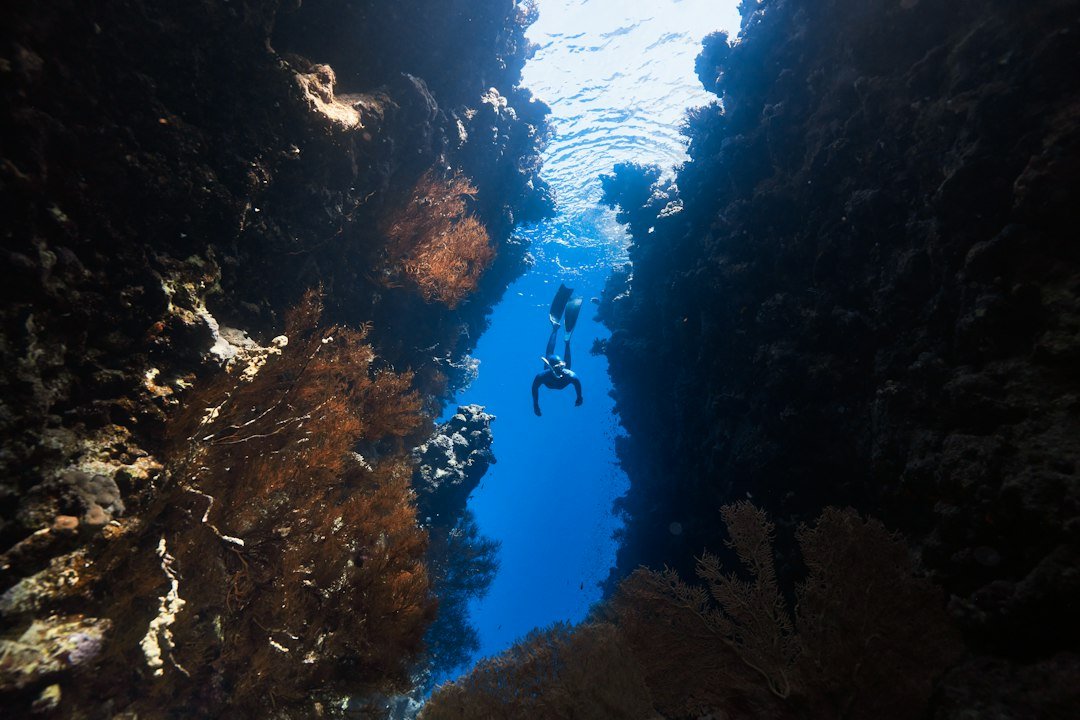
A common misconception about how to prepare for a deep diver certification course is that you need expensive new gear or a fearless attitude before you start. You do not. How to prepare for a deep diver certification course really comes down to solid basic skills, honest self-assessment, appropriate equipment, and enough rest to learn well under added pressure. Depth magnifies little problems.
A deep specialty is not a shortcut to technical diving, decompression diving, or pushing personal limits. It is supervised training within the depth limits set by the training agency, instructor, local rules, and the conditions on the day. Stay conservative. Many recreational deep courses include dives approaching 30 to 40 metres, or roughly 100 to 130 feet, but the exact maximum and prerequisites differ by provider, so check your course materials before booking travel or gear.
How to prepare for a deep diver certification course before you book
Read the course prerequisites carefully instead of assuming your existing card is enough. Most programs require an entry-level certification and a minimum number of logged dives, while some want recent diving experience or a particular age. Rules differ. Ask the operator which certification they accept, how many training dives are included, whether rental gear is available, and what water temperatures, currents, visibility, and boat procedures are likely at the site.
Also ask about the schedule. A course packed into two long days can be tiring, especially if there is a boat ride, surface interval in rough weather, and travel to a remote site. Get the details. I prefer arriving at least a day early when diving away from home, because delayed flights, poor sleep, and unfamiliar rental equipment make the first morning unnecessarily stressful.
Review any health question honestly before you commit. Deep diving increases workload and narcosis exposure, while cold water, anxiety, ear trouble, respiratory illness, and certain medications can change the risk picture. Do not guess. Speak with a doctor familiar with diving medicine if you have health concerns, and tell the instructor about relevant limitations before the course begins.
Refresh the skills that matter most
The best preparation is not trying to learn advanced procedures from videos the night before. It is making your existing recreational skills calm and repeatable. Keep it simple. Before the course, take an easy local dive or pool session if you have been inactive, ideally with a qualified dive professional or experienced buddy under normal recreational conditions.
Focus on buoyancy first. At depth, a small change in buoyancy can become a bigger task because your exposure suit compresses, your gas supply drops, and you may be managing a line, current, or visual reference. Slow is smooth. You should be able to hover without sculling, maintain depth while checking gauges, and make controlled stops without grabbing coral, lines, or another diver.
Refresh mask clearing, regulator recovery, alternate-air-source use, and controlled ascents according to the method your agency taught you. Your instructor will teach the course-specific sequence. Do not improvise. Deep training may include task loading, such as comparing a simple observation at depth with the same observation shallower, so basic drills need to feel familiar before extra workload is added.
Practise good buddy habits too. Stay close enough to communicate, make deliberate checks, and agree on turn pressure and lost-buddy procedures during the briefing. Separation is serious. At greater depth, a quick swim to find someone can consume gas and attention faster than expected, particularly in low visibility or current.
Set up gear for comfort and access
You do not need a gear upgrade just because the course has the word “deep” in its name. Well-maintained equipment that you already know is usually the better choice. Familiar gear helps. A newly purchased BCD, drysuit, computer, or mask can introduce fit and configuration problems when you should be concentrating on the lesson.
Your regulator needs to be serviced as recommended by its manufacturer and suitable for the expected conditions, especially cold water. Ask the operator if they have temperature-specific requirements. Cold changes things. A regulator that breathes comfortably during a warm shallow holiday dive may not feel the same in colder water at depth, where breathing resistance and workload can feel more noticeable.
Bring or rent exposure protection that keeps you warm for the entire dive plan, not only during descent. Compression reduces wetsuit insulation at depth, and a long ascent or safety stop can feel colder than the bottom portion. Being cold wastes focus. If you have not used a drysuit before, do not make the course your first drysuit experience unless the operator specifically structures training that way.
Check every item before departure: mask strap, fin straps or springs, computer battery status, cutting tool if required by the operator, SMB and reel if you are already trained to use them, and any prescription lens needs. Pack thoughtfully. I also carry a basic save-a-dive kit with spare mask strap, fin strap, mouthpiece, zip ties, and O-rings, but I only use parts and repairs I understand.
Understand gas planning and depth awareness
Deep courses commonly introduce more deliberate gas planning, including a turnaround pressure and a reserve that supports a controlled ascent. Your instructor will specify the method. Follow that plan. Do not copy numbers from another diver because cylinder size, breathing rate, depth, current, and local procedures can all change what is sensible.
Here is a useful pre-course check. Look at a few recent logged dives and calculate your surface air consumption rate only if you were taught how to do it correctly, then share the result with your instructor if they request it. Numbers help. A diver who uses 18 litres per minute at the surface will consume roughly four times that volume per minute at about 30 metres in seawater, before allowing for exertion or stress.
This is not a plan for a deep dive. It is a reminder of why deep time disappears quickly. Monitor early. Check pressure and computer information before you feel rushed, confirm readings with your buddy, and turn the dive at the agreed pressure even if the interesting part of the site is still ahead.
Know your computer before splash time. Confirm its battery, unit settings, algorithm conservatism options if applicable, and how it displays no-stop time, ascent rate, safety-stop prompts, and alarms. Read the manual. If you rent a computer, ask for a dry-land walkthrough and do not silence or override alerts just because you do not understand them.
What to expect during training dives
Expect a detailed briefing, equipment checks, descent planning, and extra attention to communication. The dives are usually structured rather than sightseeing dives. That is normal. Your instructor may ask you to compare colour, size, judgement, or simple task performance at depth and then again shallower to demonstrate how narcosis can affect perception.
Narcosis does not always feel dramatic. Some divers feel relaxed, slowed down, overly confident, distracted, or unusually amused, while others notice little at the planned training depth. Effects vary. The correct response is never to prove that you can tolerate more depth, but to signal any concern, stay with the group, and ascend with the instructor if directed.
Expect to manage more than one thing at once: depth, buoyancy, pressure, buddy position, and the route back to the ascent point. That workload is the lesson. Take your time. Move deliberately, keep your hands off the reef and bottom, and pause to regain control if you become task-loaded instead of trying to catch up through faster finning.
A well-run course also includes debriefs between dives. Use them. Tell the instructor if you felt cold, anxious, underweighted, overtasked, or confused by a signal, because those details can change the next dive plan and help you learn without pretending everything was perfect.
Night-before and dive-day routine
Sleep properly, eat a normal meal, hydrate steadily, and avoid alcohol before diving. Basic habits matter. Do not arrive dehydrated after a late night and expect your concentration to be at its best during a new depth experience.
On dive day, arrive early enough to assemble your kit without rushing. Complete a full buddy check, confirm hand signals, identify the planned maximum depth, turn pressure, ascent route, and contingency procedures. Ask questions early. If anything feels wrong with your gear or readiness, say so before boarding or entering the water.
Leave room for a no-dive decision. Seas can build, ears may not equalize, and a diver can wake up feeling unwell. Cancel if needed. Missing one training dive is inconvenient; forcing a dive while unfit, stressed, or unable to equalize is a poor trade.
FAQ
Do I need my own dive computer?
Usually, a computer is strongly recommended, and many operators require each diver to have one, but rental options may be available. Confirm this before arrival. Learn the exact model. You need to read your own depth, no-stop information, and ascent guidance rather than relying on a buddy’s screen.
How experienced should I be before deep diver training?
You should meet the course prerequisites and feel genuinely comfortable with core recreational skills in conditions similar to the course site. Logged dives alone are not everything. A diver with fewer recent, calm, well-managed dives may be better prepared than someone with many old logs and rusty buoyancy.
Will the course teach me decompression diving?
Typically, no. Recreational deep courses generally teach no-stop deep diving and awareness of how depth changes planning, gas use, and judgement. Training limits matter. If you want planned decompression procedures, seek an appropriate course with a qualified instructor after discussing your experience and goals.
What if I feel narcosis during a training dive?
Signal your instructor or buddy and follow the agreed ascent procedure. A shallower depth often reduces the effect. Do not hide it. Reporting what you noticed is useful training information, not a failure.
Can I take the course on holiday?
Yes, if you allow enough time for orientation, possible weather changes, and a sensible no-fly interval after your final dive. Check operator schedules. Avoid booking the final training dive immediately before a flight, and follow the guidance from your training agency, computer manufacturer, and dive operator.
Related posts
This article is for general informational purposes only and is not dive training or medical advice. Always train with a certified instructor and consult a doctor before diving if you have any health concerns. Gear specs, pricing, site conditions, and operator schedules change, so verify current details directly with the manufacturer or dive operator.
Disclosure: This post may contain affiliate links. If you click through and make a purchase, we may earn a commission at no extra cost to you. We only recommend gear we’ve researched or genuinely believe in.