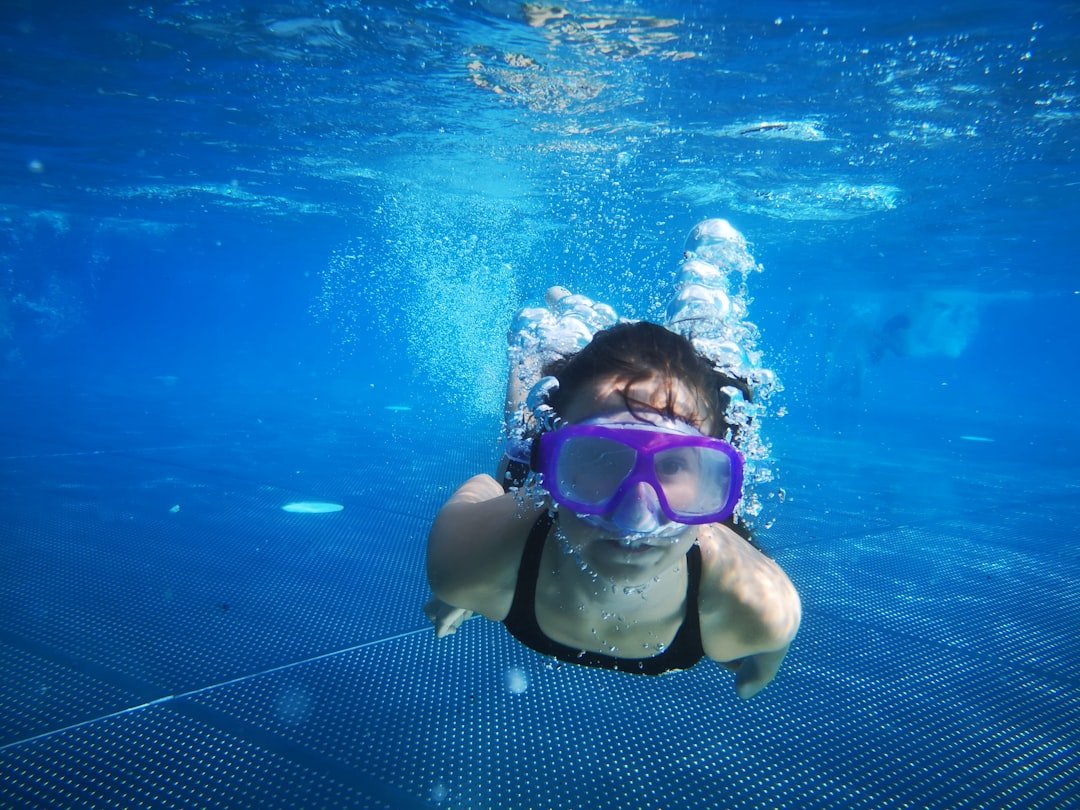
A common misconception is that what age can kids start scuba diving has one universal answer, usually “10.” It does not. What age can kids start scuba diving depends on whether you mean a shallow supervised experience, a pool program, or a junior certification that permits open-water dives. Most major training agencies offer closely supervised scuba activities from age 8, while junior entry-level certification commonly starts at age 10. Age is only the first filter.
A child who is calm in water, follows instructions, equalizes comfortably, and can explain a problem is often better prepared than an older child who panics when a mask leaks. That matters. Scuba adds pressure changes, equipment tasks, cold, currents, boat procedures, and the need to communicate without speaking, so a child needs more than basic swimming ability before joining an open-water course.
What age can kids start scuba diving for each program?
The terms can sound similar, yet they allow very different activities. A supervised introductory session is not a certification, and a junior certification is not identical to an adult Open Water Diver card. Read the course description before booking. Agency standards, local laws, medical forms, and dive-operator policies can add restrictions, so check the current official standards before paying for a course.
| Typical starting age | Program type | What the child generally does | Common limits |
|---|---|---|---|
| 8 or older | Shallow-water scuba experience | Uses scuba gear in a pool or confined water with direct professional supervision | Very shallow depth, no independent diving, not an entry-level certification |
| 8 or older | Youth scuba skills program | Builds buoyancy, mask, regulator, and teamwork skills in protected water | Program-specific limits and direct supervision |
| 10 to 11 | Junior Open Water-level certification | Completes academic, confined-water, and open-water training dives | Often limited to about 12 m or 40 ft, with a certified adult or instructor |
| 12 to 14 | Junior Open Water-level certification | May dive in a wider set of recreational conditions after training | Often limited to about 18 m or 60 ft, with adult supervision requirements |
| 15 or older | Adult entry-level certification conversion | Junior certification commonly upgrades under the agency’s current process | Normal certification limits still apply |
For example, PADI commonly lists Bubblemaker and Seal Team programs from age 8, then Junior Open Water Diver from age 10. SSI also has youth programs for younger children and Junior Open Water training beginning at age 10. Their exact supervision and depth rules are not interchangeable. A family traveling to another country should ask the operator which agency standard it follows and whether the site itself has tighter limits.
Junior certification rules that affect real dives
Junior certification rules usually cover age, maximum depth, dive buddy requirements, and the adult who accompanies the child. They are not minor paperwork details. A 10-year-old with a junior card generally cannot plan a 25 m wreck dive with another junior diver, even if both have completed several holiday dives.
For younger junior divers, the accompanying adult is normally a parent, guardian, certified adult, or dive professional, depending on the agency and the child’s age. The adult needs to stay close enough to respond immediately. “On the same boat” is not close enough. Ask the instructor to spell out who may buddy the child after certification, because this is one of the rules families misunderstand most often.
Depth limits protect against more than poor air consumption. Descents can feel fast, equalization becomes harder when a child hesitates, and a small diver may get cold or tired before an adult notices. The numbers are simple, but the judgment is not. A good family dive may be only 6 m or 20 ft deep if visibility is poor, the water is chilly, or the child has not dived recently.
Junior certifications commonly convert to the adult version at age 15, but verify the current procedure with the training agency that issued the card. Some agencies handle the change digitally, while a dive shop may need to confirm records or issue replacement credentials. Keep the child’s certification information accessible. It saves hassle on trips.
Readiness matters more than reaching the minimum age
Before signing up, look for practical readiness rather than trying to rush a child toward a card. They should be able to swim with steady control, tread water as the course requires, listen through a full briefing, and say when something feels wrong. Quiet compliance is not the same as confidence. A child who is afraid to disappoint a parent may hide ear pain or anxiety.
Equalizing is the biggest early checkpoint for many children. They need to understand that they never force an ear-clearing technique and that they stop descending if equalization does not work. Pain is a stop signal. Any ongoing ear, sinus, lung, heart, or other health concern deserves a discussion with a doctor who understands diving medicine before the course, not a guess at the pool deck.
Attention span also affects course choice. A full junior open-water course includes classroom or digital learning, skills practice, and several open-water dives, often spread across multiple days. A child may enjoy the first pool session and still struggle with long travel days, cold surface intervals, or repetitive skills. Schedule breathing room. A rushed certification weekend can turn a good first experience into an unpleasant one.
Choose the first environment carefully
Warm, calm, clear confined water gives a young diver room to think. That is why many families start in a pool, protected lagoon, quarry training platform, or sheltered shore site before considering boat dives. The setting changes everything. A site with surge, poor visibility, slippery entries, or a long surface swim may be manageable for an experienced adult and unsuitable for a new junior diver.
When I have seen kids enjoy diving most, the adults kept the plan boring in the best way: shallow water, an easy entry, a short route, and plenty of time to look at one thing. A turtle encounter is memorable, but it should never become the reason to exceed the child’s comfort level or agreed depth. Turn the dive early if needed. A successful early exit is still a successful dive.
Cold deserves extra attention because children can lose heat quickly and may not recognize the problem until they are shivering or upset. Check that the rental wetsuit seals reasonably at the neck, wrists, and ankles without restricting breathing or movement. Gear fit is safety equipment. An oversized mask, loose fin, or bulky BCD makes basic skills unnecessarily difficult.
A practical way to decide
- Start with a swim and water-comfort check. The child should meet the agency’s required swim and float or tread-water standards without distress.
- Book a conversation with the instructor before the course. Explain the child’s swimming background, prior snorkeling experience, attention span, and any health questions.
- Choose a shallow introductory session first if the child has never breathed from a regulator. There is no downside to taking it slowly.
- Ask for the exact junior certification rules in writing, including depth limits, required buddy age or status, and the conditions expected during training.
- Fit all equipment in water before the open-water dives. Confirm the child can clear the mask, recover the regulator, inflate and deflate the BCD, and signal discomfort.
- Let the child make the final call. If they do not want to descend, end the session without pressure or bargaining.
Parents can use one simple threshold when choosing between a try-dive and a certification course: if the child cannot independently describe what to do for ear discomfort, a lost regulator, or low air, choose the supervised experience first. That does not mean they have failed. It means they need more water time before adding open-water responsibilities.
Questions to ask a dive center
Ask whether the instructor has regular experience teaching children, how many students are in the group, and whether the center can separate junior students from a large adult class. Small groups help. Also ask about water temperature, entry type, maximum planned depth, surface support, rental sizes, and the policy if the child decides not to finish.
Be wary of any operator that treats a junior course as a guaranteed holiday activity regardless of conditions. Weather shifts, a head cold, nervousness, or a poorly fitting mask can all change the plan. Certification is earned through demonstrated skills, not purchased through attendance. A patient instructor will explain that clearly to both parent and child.
The practical answer is that children can often begin supervised scuba exposure at 8 and junior open-water training at 10, but the best time is when age, health, water confidence, and conditions line up. Start shallow. Keep the first dives easy. Build experience gradually with a certified instructor who is comfortable teaching young divers.
Related posts
This article is for general informational purposes only and is not dive training or medical advice. Always train with a certified instructor and consult a doctor before diving if you have any health concerns. Gear specs, pricing, site conditions, and operator schedules change, so verify current details directly with the manufacturer or dive operator.
Disclosure: This post may contain affiliate links. If you click through and make a purchase, we may earn a commission at no extra cost to you. We only recommend gear we’ve researched or genuinely believe in.