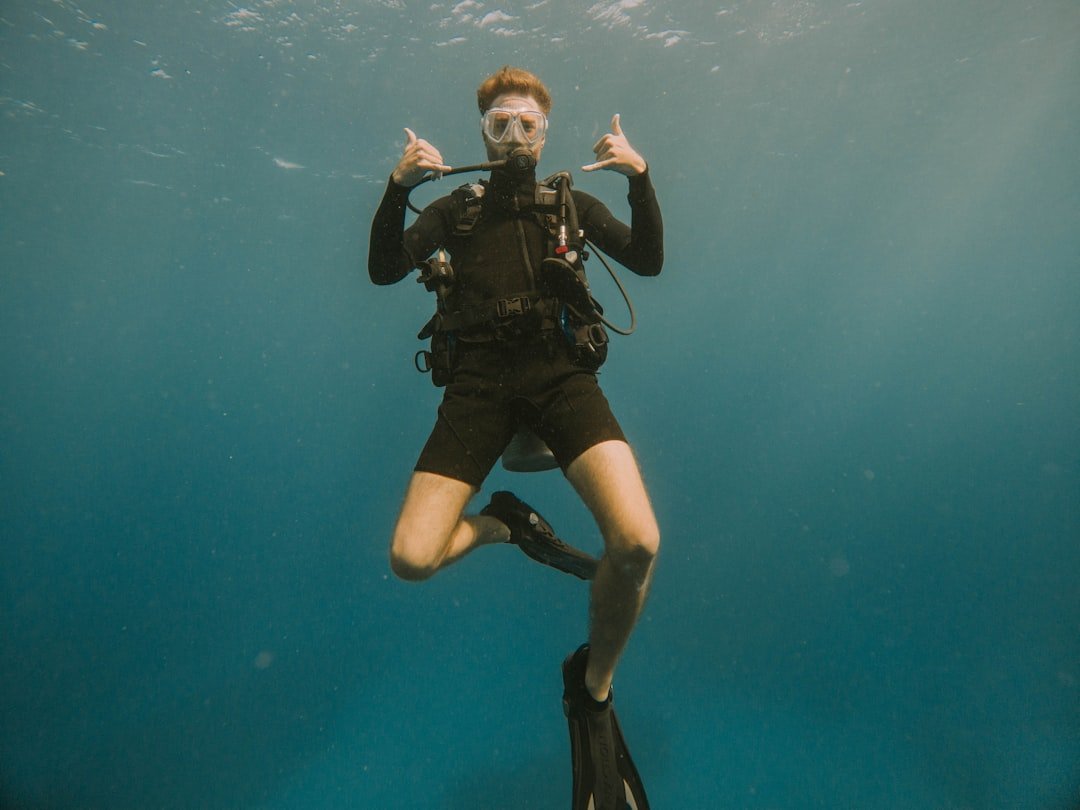
You are at the dive shop counter, looking at masks, fins, computers, hoses, and a rental form while trying to work out what gear do i need diving. The short answer is simple. What gear do i need diving for a first course or a few guided trips depends on the water temperature, your training agency’s requirements, and what the operator provides, but you do not need to buy a full scuba system on day one.
Start with the items that must fit your body well and that you will use on nearly every trip: a mask, snorkel if your course or local diving calls for one, fins, and exposure protection. Fit comes first. Rent the regulator, BCD, cylinder, weights, and computer until you have enough dives to know what feels comfortable and where you will dive most often.
What gear do i need diving as a beginner?
A complete recreational scuba setup has life-support equipment, buoyancy equipment, instruments, exposure protection, and small safety accessories. Your certified instructor will teach you how to assemble, check, use, and care for this equipment during training. Do not self-teach it. Gear familiarity helps, but it never replaces supervised pool and open-water practice.
| Gear item | What it does | Best first move |
|---|---|---|
| Mask | Creates an air space so you can see underwater | Buy after a leak test |
| Snorkel | Lets you breathe at the surface without using cylinder gas | Buy if it suits your training or shore-diving plans |
| Fins | Provide efficient movement in the water | Buy once matched to your booties and conditions |
| Wetsuit or drysuit | Reduces heat loss | Rent first, then buy for frequent local diving |
| BCD | Holds the cylinder and controls buoyancy | Rent and compare several styles |
| Regulator and alternate air source | Deliver breathing gas from the cylinder | Rent or buy only with local service support |
| Dive computer and pressure gauge | Track depth, time, ascent information, and gas supply | Rent initially; buy before regular independent diving |
| Weights and weight system | Help you descend and establish neutral buoyancy | Rent and use only the amount your instructor confirms |
Buy these personal essentials first
A mask is usually the best first purchase because a good seal makes a major difference to comfort and confidence. Try it bare-faced. Hold the mask lightly against your face, inhale gently through your nose, and look downward and side to side; it should stay in place without hair trapped under the silicone skirt or painful pressure across the bridge of your nose.
Choose a low-volume mask if you want less air needed for clearing, though the best mask is simply the one that seals your face. No brand wins every face. Tempered-glass lenses and a replaceable strap are practical details, while a clear or dark silicone skirt is a personal preference rather than a performance requirement.
Fins come next for many beginners, especially if rental fins cause foot cramps, rub your heels, or feel too soft in current. Keep it simple. Full-foot fins suit warm water and bare feet, while open-heel fins pair with neoprene booties and work better for cooler water, rocky entries, and repeated travel to different conditions.
Try fins with the exact booties you plan to wear, then walk a few steps and flex your ankles before deciding. A fin that feels fine seated indoors can pinch badly after forty minutes in the water, and an overly stiff blade can tire a newer diver before the dive is half finished. Comfort matters most.
Exposure protection is essential, even in water that feels warm at the surface. You cool down slowly. A thin rashguard may be enough for a short tropical session, but many divers need a properly fitted wetsuit, hood, gloves where permitted, and boots when water is cooler or dives are longer. Local operators can tell you the usual suit thickness for the season, but ask about actual water temperature rather than relying on an air-temperature forecast.
Rent life-support gear until your diving settles
Your regulator includes a primary second stage, a backup second stage often called an octopus, a first stage that attaches to the cylinder valve, and usually an inflator hose for the BCD. It is critical equipment. Rent from a reputable operation or buy through a retailer that can arrange the manufacturer-required servicing locally.
Regulators are not all interchangeable in practical terms. Cold-water divers may need an environmentally sealed first stage and procedures appropriate for cold conditions, while frequent warm-water travelers may value a lighter setup, but the right choice also depends on the cylinder valves and service network where you actually dive.
A buoyancy control device, or BCD, holds the cylinder and lets you add or release air to control buoyancy at the surface and underwater. Test the fit. With the tank installed, the shoulder straps should not strain, the waist area should feel secure without restricting a full breath, and the cylinder should not shift against your back when you move.
A jacket-style BCD is common in rental fleets and holds some buoyancy around the torso. Back-inflation and backplate-and-wing systems place more lift behind you. Neither style automatically gives better buoyancy control; correct weighting, trim practice, and instructor feedback make the larger difference for a beginner.
You also need a way to monitor your gas supply and dive profile. Most divers use a computer, a submersible pressure gauge, or both. Check with the operator. Some computers receive tank pressure wirelessly, yet many divers still carry a physical gauge because it gives a direct backup reading if the transmitter battery or pairing fails.
Do not buy a computer based on a single bright screen in a shop. Set a realistic threshold. If you expect more than a handful of dives each year, use mixed gases only after training, or want your own logged records and familiar display, owning a basic, easy-to-read computer can make sense; otherwise, a rental unit lets you learn what layout you prefer.
Small items that solve real problems
Carry a save-a-dive kit only after you know how to use what is inside. Small is good. A spare mask strap, fin strap or bungee, mouthpiece, zip ties, and an O-ring kit can help with minor issues, although an O-ring is not a substitute for proper inspection or a leak check.
A surface marker buoy, reel or spool, cutting tool, whistle, and signaling device may be required or strongly recommended depending on the site. Ask before packing. Boat procedures, currents, overhead environments, local marine rules, and whether you dive with a guide all change the appropriate setup.
A dive bag, microfiber towel, defog, logbook, and reusable water bottle make travel easier but are not diving essentials. Buy these later. Protect the high-value items first with a padded mask box and a rinse routine after saltwater dives.
A practical beginner essentials checklist
Use this sequence before spending money. It keeps the first purchases focused on fit and regular use.
- Confirm the dive environment. Ask about water temperature, entry type, current, and what rental equipment is included. Conditions decide the suit, booties, fin style, and accessories.
- Buy and test a mask. Wear it in confined water during training before relying on it for a boat day. Carrying a backup mask becomes more relevant as your diving experience grows.
- Add fins and suitable footwear. Match open-heel fins to the thickness of your booties. A snug fit is better than thick socks crammed into a loose pocket.
- Choose exposure protection. Rent different suits first if you dive in varied temperatures. A suit that flushes constantly with water will feel colder than its thickness suggests.
- Rent BCD, regulator, weights, cylinder, and computer. Record what you liked and disliked after each dive. Notes about hose routing, lift position, tank stability, and screen readability are useful later.
- Buy the core system after several dives. Choose equipment that you can have inspected and serviced where you live or travel often. Keep service records.
Before every dive, use the pre-dive check taught in your course with your buddy and follow the operator’s procedure. Slow down. Confirm that the cylinder valve is open, the regulator breathes normally, the BCD inflates and deflates, the weights are secure and releasable, and both divers understand the plan before entering the water.
FAQ
Do beginners need to buy a full scuba kit?
No. Renting the BCD, regulator, cylinder, weights, and computer is normal during training and early guided dives. Buy personal fit items first. This approach also lets you compare equipment in real conditions before committing to a system that may cost a substantial amount.
Is a snorkel still necessary for scuba diving?
It depends on your training standards, operator practices, and site conditions. Ask your instructor. A snorkel can conserve cylinder gas during a surface swim, but some divers avoid wearing one on every dive because it can snag or feel awkward, so follow the procedures taught for your course and planned dive.
What is the most important piece of diving gear?
The best first purchase is usually the mask that seals comfortably on your face. Clear vision changes everything. For safety, though, no single item outweighs a correctly maintained full system, a suitable dive plan, an attentive buddy, and the training to use each piece properly.
How much weight should a beginner diver use?
There is no safe universal number. Body composition, cylinder material, suit thickness, water type, and equipment all affect weighting. Have a certified instructor or dive professional supervise a weight check, and adjust only through the method taught in your training.
Can I use used scuba gear?
Used masks, fins, and suits can be sensible if they fit and are in sound condition. Inspect carefully. For regulators, BCDs, cylinders, and computers, confirm service history, age, compatibility, recalls, and local inspection requirements before use, then have qualified personnel inspect equipment when appropriate.
Related posts
This article is for general informational purposes only and is not dive training or medical advice. Always train with a certified instructor and consult a doctor before diving if you have any health concerns. Gear specs, pricing, site conditions, and operator schedules change, so verify current details directly with the manufacturer or dive operator.
Disclosure: This post may contain affiliate links. If you click through and make a purchase, we may earn a commission at no extra cost to you. We only recommend gear we’ve researched or genuinely believe in.