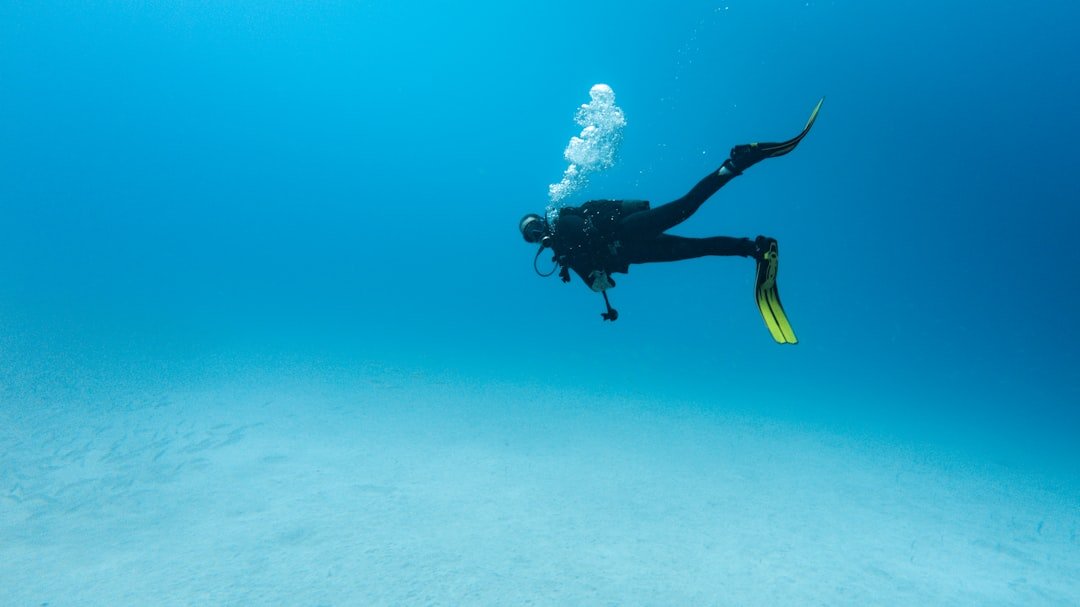
Start by reading the operator’s medical questionnaire honestly before you pay a deposit. That one step can prevent a stressful surprise on the day. What to expect from a Discover Scuba Diving experience depends on the agency, dive site, and local rules, but it usually follows the same pattern: registration, a short learning session, confined-water practice, then a closely supervised dive if you are comfortable and your instructor agrees you are ready.
This is an introduction. It is not a certification card, and it does not make you an independent diver. You will normally stay with a certified instructor or qualified dive professional throughout the experience, use rental equipment supplied by the operator, and dive within conservative limits set by that program, local conditions, and your own comfort level.
What to expect from your Discover Scuba Diving experience on the day
Most operators ask you to arrive early, often 30 to 60 minutes before the advertised start. Bring swimwear, a towel, drinking water, and a dry change of clothes. Keep jewelry simple. If you use glasses, ask in advance whether prescription-mask options are available, because ordinary glasses cannot fit under a diving mask.
You will complete waivers and a health screening form. Take this seriously. Conditions involving lungs, heart health, ears, sinus problems, recent surgery, pregnancy, certain medications, or a history of fainting may require medical clearance or may mean you should not dive that day. Do not hide an issue because you are worried about missing the activity. A doctor or other qualified medical professional and the instructor are the right people to advise you.
After paperwork, expect a briefing that covers the basic rules: breathe continuously, never hold your breath, equalize your ears early and often, stay close to your guide, and communicate with hand signals. The instructor should also explain what happens if you are uncomfortable, low on air, separated from the group, or unable to equalize. Ask questions now. A good briefing leaves you feeling informed rather than rushed.
The learning section is usually short, but pay attention. You may watch a video, listen to a briefing, or complete a simple knowledge review before getting wet. You are not expected to memorize a textbook. Still, you need to understand the few actions that keep an introductory dive controlled, especially breathing, ear equalization, mask clearing, regulator recovery, and the signal for ending the dive.
How the experience usually unfolds
| Stage | What usually happens | What you should focus on |
|---|---|---|
| Check-in | Forms, health screening, sizing rental gear, and payment details. | Answer health questions accurately and tell staff about fit concerns. |
| Briefing | Basic diving rules, hand signals, descent plan, and site procedures. | Understand how to stop or end the dive at any time. |
| Shallow-water practice | Breathing underwater, clearing water from the mask, regulator skills, and buoyancy practice. | Move slowly and repeat any skill until it feels manageable. |
| Open-water dive | A guided dive in the ocean, quarry, lake, or similar approved site. | Stay near your guide, equalize early, and communicate promptly. |
| After the dive | Debrief, equipment return, and often discussion of certification options. | Drink water, log the experience if appropriate, and assess how you felt. |
Equipment fitting takes longer than many first-timers expect. The instructor or crew will help choose a mask, fins, buoyancy control device, regulator, cylinder, weights, and exposure protection suitable for the water temperature. Fit matters. A mask that leaks constantly, fins that pinch, or a wetsuit that restricts breathing can make an otherwise easy session feel difficult.
Tell the staff immediately if something hurts. Rental gear should feel secure, not painful. A little water in a mask is normal, and a snug wetsuit can feel restrictive when dry, but sharp pressure points, numb toes, jaw pain from a mouthpiece, or a tank that keeps shifting need adjustment before you enter deeper water.
Your first breaths underwater often happen in shallow water where you can stand, kneel, or hold a stable position. This part can feel strange. Breathing through a regulator is safe when used correctly, yet the sound of bubbles and the sensation of water around your face are new for most people. Take slow, relaxed breaths. Fast breathing often makes anxiety and buoyancy control worse.
The instructor will normally demonstrate each skill before asking you to try it. A common sequence includes breathing with the regulator, recovering it if it comes out of your mouth, clearing it, partially flooding and clearing the mask, and using signals. You may also practice clearing water from your mask without removing it completely. Go at your pace. If you need another attempt, signal the instructor.
What the first descent feels like
The descent is often the biggest mental hurdle for first time divers. You may kneel or float at the surface, exhale gently, and descend with your guide while equalizing your ears every few feet or every meter. Start early. Waiting for discomfort usually makes equalizing harder.
Equalizing means gently balancing pressure in your ears as the water pressure increases around you. Your instructor may teach you to pinch your nose and blow gently, swallow, or move your jaw. Never force it. If your ears will not clear, signal, ascend a little, and try again only when comfortable; if it still does not work, the correct choice is to stop the descent.
Once you are down, many people are surprised by how quiet and unhurried it feels. Visibility and water temperature shape the experience a lot. In clear, warm water, you may feel comfortable quickly; in colder water or lower visibility, the extra exposure suit and unfamiliar surroundings can demand more attention, even on a shallow introductory dive.
You do not need to swim like a competitive athlete. Basic water confidence helps, and operators commonly have their own swimming requirements or policies, so verify them before booking. During the dive, your buoyancy control device and cylinder keep you supported, while fins make movement efficient. The guide manages the pace. Your job is to breathe, stay close, and signal early when something does not feel right.
Expect the actual underwater portion to be shorter than a certified diver’s typical recreational dive. Air supply, water conditions, group comfort, site rules, and the introductory program’s depth limits all affect the plan. That is normal. A calm 20-minute dive with good supervision can be a far better first experience than trying to stretch the time while cold, anxious, or struggling to equalize.
Common worries for first time divers
“What if I panic?” is a reasonable question. You can stop at any point. Before getting in, tell the instructor that you are nervous, then agree on a simple signal and stay physically close during the first minutes; instructors see nervous beginners regularly, but they need to know what you are feeling.
If anxiety rises underwater, stop moving and signal. Your guide may hold your hand, establish eye contact, help you settle your breathing, or end the dive. Ascending slowly with the guide is a normal response, not a failure. Do not push through panic to avoid disappointing anyone.
Mask leaks are another common concern. Small leaks happen, especially when hair sits under the silicone skirt or you smile with your cheeks. The skill practice gives you a way to clear water out. Keep your eyes open if you can, look slightly upward as instructed, and exhale through your nose. Practice in shallow water first.
People also worry about sharks and other marine life. The realistic concern is usually contact with the environment, not an animal attack. Keep your hands off coral, rocks, wrecks, and wildlife. Good buoyancy takes practice, so stay in the position the guide indicates and do not chase animals for a closer photo.
How to choose a good introductory dive
Choose the operator based on supervision and conditions, not only the lowest advertised price. Ask whether the experience includes confined-water skill practice before the open-water dive, how many participants each instructor supervises, what the planned maximum depth is, and whether equipment rental is included. Clear answers are a good sign.
Also ask about the site entry. A calm beach entry may suit someone who wants time to adjust, while a boat trip can be convenient but may add waves, ladders, and seasickness to an already unfamiliar day. Neither option is automatically better. Pick the setting that feels manageable for you.
Check cancellation and weather policies before booking. Operators may change sites, delay departures, or cancel when wind, visibility, current, or waves make conditions unsuitable. That decision protects divers. Prices vary by region, transport, equipment inclusion, and whether photos or extra dives are bundled, so confirm the final total and what happens if you cannot dive after the health screening.
Do not buy a full personal kit for one introductory session. Use the provided equipment first, unless you already own a properly fitting mask or need a prescription solution. If you enjoy the experience, a personal mask is often the first item recreational divers consider because fit is so individual. Try several models at a reputable shop before spending money.
After your Discover Scuba Diving experience
Once you are out of the water, warm up, drink water, and listen to the debrief. Keep the rest of the day easy. If you have ear pain, dizziness, unusual shortness of breath, chest symptoms, numbness, or feel unwell after diving, tell the operator promptly and seek appropriate medical advice rather than assuming it will pass.
Many people leave wanting a certification course. That makes sense. An introductory dive can show you whether breathing underwater and being in dive gear feels enjoyable, while an entry-level certification course gives you repeated skill practice, theory, and training for diving with an appropriately qualified buddy within the limits of your training.
Write down what felt easy and what did not. Maybe the mask fit perfectly but equalizing took patience, or perhaps you loved the underwater time but felt cold. Those details help you choose a course location and equipment later. The best first dive is not the deepest one. It is the one you can complete calmly, safely, and with enough curiosity to want to learn more.
This article is for general informational purposes only and is not dive training or medical advice. Always train with a certified instructor and consult a doctor before diving if you have any health concerns. Gear specs, pricing, site conditions, and operator schedules change, so verify current details directly with the manufacturer or dive operator.
Disclosure: This post may contain affiliate links. If you click through and make a purchase, we may earn a commission at no extra cost to you. We only recommend gear we’ve researched or genuinely believe in.