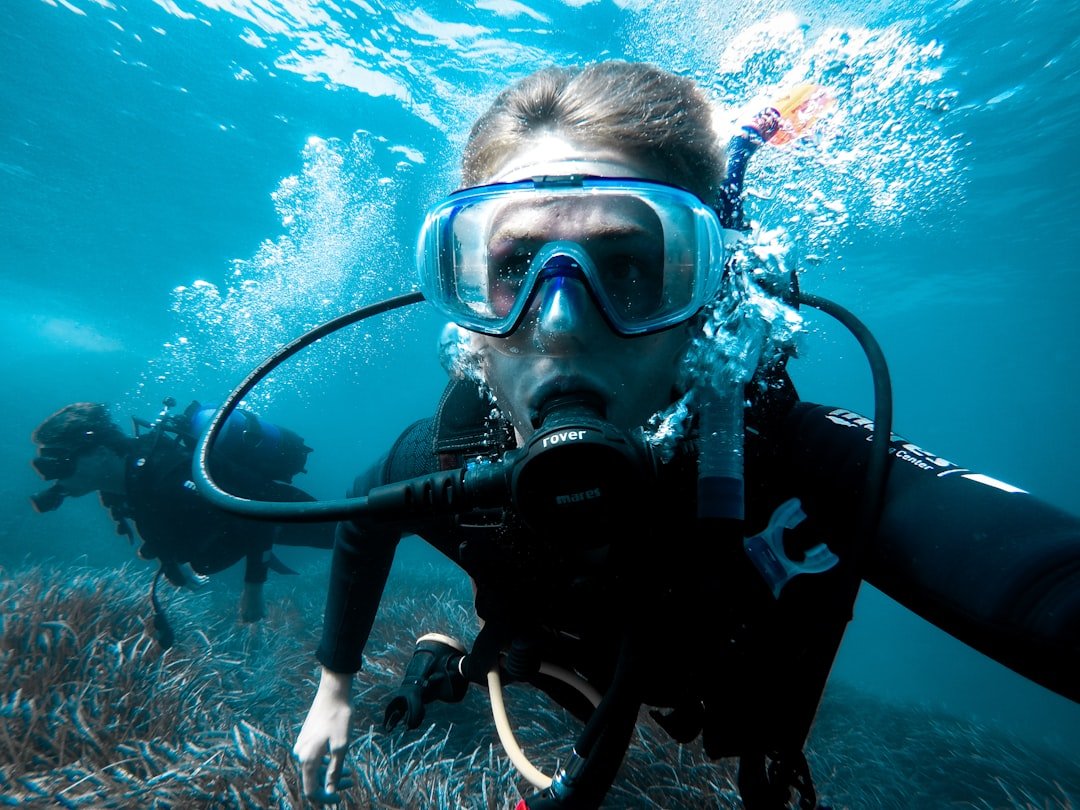
You stop over a reef to look at a fish, then notice your fins are drifting upward and your hand is reaching for the inflator again. That is a familiar beginner moment. The practical answer to how to improve buoyancy control diving is to start correctly weighted, breathe slowly and consistently, hold a level body position, and make fewer, smaller BCD changes. Learning how to improve buoyancy control diving takes repetition, but it is a skill you can feel improving within a few supervised practice dives.
Good buoyancy is not about staying frozen in place. It is about controlling where you are in the water column without kicking constantly, grabbing coral, or repeatedly adding and dumping large amounts of air. Small changes matter. A relaxed diver can often adjust depth with a slightly deeper breath or a slow exhale, while the BCD handles the larger changes caused by descent, ascent, and changing pressure.
Begin in calm water. A pool or sheltered shallow site gives you room to notice what your body and equipment are doing before current, surge, depth, or a busy reef adds distraction. Work with a certified instructor for skill practice, especially if you are still learning basic descent and ascent procedures.
How to improve buoyancy control diving for beginners
The biggest early improvement usually comes from correct weighting. Many new divers carry extra lead because it makes descending feel easier, but too much weight creates a chain of problems: you need more air in the BCD to offset it, your depth shifts more as that air compresses and expands, and an ascent can feel harder to control. Less is often better.
Do a proper weight check with an instructor or dive buddy who knows the procedure. Near the end of a dive, at a safe shallow depth and with an appropriate cylinder pressure, you should be able to hold a controlled position with a normal breath while your BCD is nearly empty. Site conditions matter. Salt water, thick wetsuits, steel cylinders, aluminum cylinders, and exposure protection all change the amount and placement of weight you need.
Do not chase an exact number online. A diver in a thin wetsuit with an aluminum cylinder may need a very different setup than the same diver in a drysuit using a steel cylinder, even at the same body weight. Record what worked. Keep a small log with your exposure suit, cylinder type, water type, total lead, and where that lead sat.
Weight placement affects trim as much as total weight. If your feet float high, moving some weight higher on the tank or waist may help, provided your gear system allows it and you stay within manufacturer guidance. If your head drops low, weight may be too high or your tank may sit too low in the cam bands. Make one change at a time. That makes the result easier to understand.
Use your lungs before your inflator
Your lungs are a fine-tuning tool. They are not a substitute for correct weighting or BCD use, but they can help you rise or settle by a small amount once you are neutrally buoyant. Inhale a little more fully and pause briefly to slow a gentle descent. Exhale slowly and completely to settle lower. Keep breathing continuously.
Never hold your breath underwater. This is basic scuba safety, and it matters during every buoyancy drill because changing depth changes gas volume in your lungs. If you are unsure about breathing patterns, ascent control, or any skill sequence, practice only with a certified instructor.
Many beginners unknowingly breathe fast and shallow when concentrating. That can make every small depth movement feel larger, while also increasing gas use and tension. Slow down. Try a calm rhythm of a comfortable inhale followed by a long, unforced exhale, without trying to count seconds or force a pattern that feels unnatural.
At a steady depth, avoid adding air to the BCD every time you sink a few inches. First, check whether you are exhaling hard, looking downward, or sculling with your hands. Then take a normal, slightly fuller breath and wait a moment. Water has a delay, particularly when you are wearing a larger BCD or thick exposure protection.
Get horizontal and stay still
Trim is your body position in the water. A generally horizontal position reduces drag and gives your fins room to work without pushing you upward or downward. It also makes it easier to see the bottom and keep a safe distance from it. Flat feels different at first.
Look ahead rather than straight down. When your head drops, your shoulders often follow, then your legs rise behind you. Bend your knees slightly, keep your fins behind your body, and let your arms rest close to your sides or lightly folded. Stop using your hands to maintain position. Hand sculling hides the actual buoyancy problem and can stir up silt.
Tank position has a real effect. A tank mounted too low can pull your lower body down and leave you fighting a head-up posture, while a higher tank may improve balance for some divers. Check that the cylinder is secure before entering the water. Then adjust in small increments between dives rather than shifting a tank underwater.
| What you notice | Likely cause | Useful first check |
|---|---|---|
| You sink whenever you exhale | Too little gas in BCD, over-weighting, or a forceful exhale | Use a normal breath first, then add a very small BCD burst if needed |
| You rise during a stop | Expanding BCD gas, rising tank buoyancy, or kicking upward | Hold position, vent slowly, and keep your body level |
| Your feet float upward | Foot-heavy buoyancy, low tank placement, or body angle | Level your torso and review weight placement between dives |
| You keep touching the bottom | Late adjustments, poor trim, or extra lead | Stop finning, look ahead, and reassess weighting with an instructor |
The table is a starting point, not a diagnosis. Equipment fit, water movement, and how much gas remains in your cylinder can all affect what you feel. Solve one issue first. Randomly changing breathing, finning, weights, and BCD air at the same time usually makes buoyancy harder to learn.
Make smaller BCD adjustments
Large BCD dumps and long inflator bursts create a yo-yo pattern. You add too much air, rise, vent too much, sink, then repeat. The goal is boring control. Add air in a short burst, pause, and give your body time to respond before touching the inflator again.
During descent, vent air early and stay vertical only as long as needed. Once you reach the planned depth, move into a level position and establish neutral buoyancy before swimming away. A rushed descent often leads to an overweighted diver hitting the bottom, followed by an oversized BCD inflation and a fast rebound upward.
As you ascend, gas in the BCD expands. Vent before you feel yourself rising quickly, rather than waiting until you are already above the depth you intended to hold. Keep the dump point positioned so it can release air effectively. Your exact method depends on your BCD design and training, so review its dump valves and inflator hose position before the dive.
Pay attention to the last part of the dive. An aluminum cylinder becomes more buoyant as it empties, and you may need less BCD air near the end than you used at the start. This is normal. It is also why a controlled safety stop is such useful buoyancy practice when conditions and your dive plan allow it.
Practice these drills in order
Do these only in a suitable shallow area with a certified instructor or an appropriately qualified buddy following your training and local conditions. Keep the bottom clear. You do not want to practice close enough to damage marine life or stir sediment.
- Settle at shallow depth. Empty the BCD as appropriate, establish neutral buoyancy, and stop all hand movement. Hold a normal breathing rhythm for 30 seconds.
- Try a fin pivot. With only your fin tips lightly touching a sandy bottom if your instructor permits, inhale to rise gently and exhale to settle. Keep your hands still.
- Hover off the bottom. Lift clear of the seabed, bend your knees slightly, and hold a fixed depth for 30 to 60 seconds. Pick a rock or sand ripple as a visual reference, without touching it.
- Swim slowly. Move forward with small fin kicks while holding the same depth. If you rise or fall, pause your kick and correct with breathing before using the BCD.
- Repeat after a change. If you move one weight pocket or adjust tank height, repeat the hover. Notice whether your legs, torso, and head now settle more naturally.
Keep the sessions short. Ten careful minutes can teach more than an entire dive spent chasing the group while adjusting gear. If you cannot hold a hover after several tries, do not force it. Ask your instructor to review weighting, trim, BCD fit, and your breathing pattern.
Check equipment fit before blaming yourself
A BCD that rides up can change your balance and make the inflator hard to reach. Shoulder straps should be snug enough to keep the unit stable, but not so tight that breathing feels restricted. Your waist cummerbund or strap should hold the BCD in place. It should not slide toward your ears when you are floating at the surface.
Fins also affect trim. Heavy rubber fins can pull some divers’ feet down, while very light travel fins may let feet rise when paired with buoyant neoprene boots. Neither is automatically wrong. The best choice depends on your leg buoyancy, kicking style, exposure suit, and the diving you do most often.
Do not buy ankle weights as the first answer to floating feet. They can help certain setups, but they also add total lead and can make finning tiring. First check tank height, body position, and whether your total weighting is correct. Rent or borrow different gear when possible before buying specialized trim accessories.
FAQ
Why do I keep floating up while scuba diving?
You may have too much air in your BCD, be ascending before venting expanding gas, or be kicking upward without noticing. A fuller aluminum cylinder can also behave differently than a near-empty one. Start with slow exhalation and an early, controlled vent. If it keeps happening, have a certified instructor assess your weighting and technique.
How long does buoyancy control take to learn?
Most beginners notice progress after focused practice over several dives. Real comfort takes longer. Conditions change with every suit, cylinder, depth, and dive site, so buoyancy is a skill you keep refining rather than one you finish once.
Should beginners use more weight to descend easily?
Usually, extra weight creates more work after the descent. It requires more BCD air, which creates larger buoyancy changes as pressure changes. Use enough lead to complete a correct weight check for your equipment and conditions. Do that with supervision.
Can I improve buoyancy by practicing in a pool?
Yes, pool practice can help you learn breathing, hovering, and body position without waves or current. It does not perfectly copy open water, especially if you dive in a wetsuit or drysuit. Treat it as useful skill time, then repeat the basics in supervised open-water conditions.
What is the fastest way to stop hitting the reef?
Slow down before you reach it. Keep your eyes ahead, stop finning when you begin to drift low, and make a small correction early instead of waiting until your knees or fins are close to the bottom. Give yourself more space than you think you need. Good buoyancy protects the reef and gives you time to react calmly.
Related posts
This article is for general informational purposes only and is not dive training or medical advice. Always train with a certified instructor and consult a doctor before diving if you have any health concerns. Gear specs, pricing, site conditions, and operator schedules change, so verify current details directly with the manufacturer or dive operator.
Disclosure: This post may contain affiliate links. If you click through and make a purchase, we may earn a commission at no extra cost to you. We only recommend gear we’ve researched or genuinely believe in.