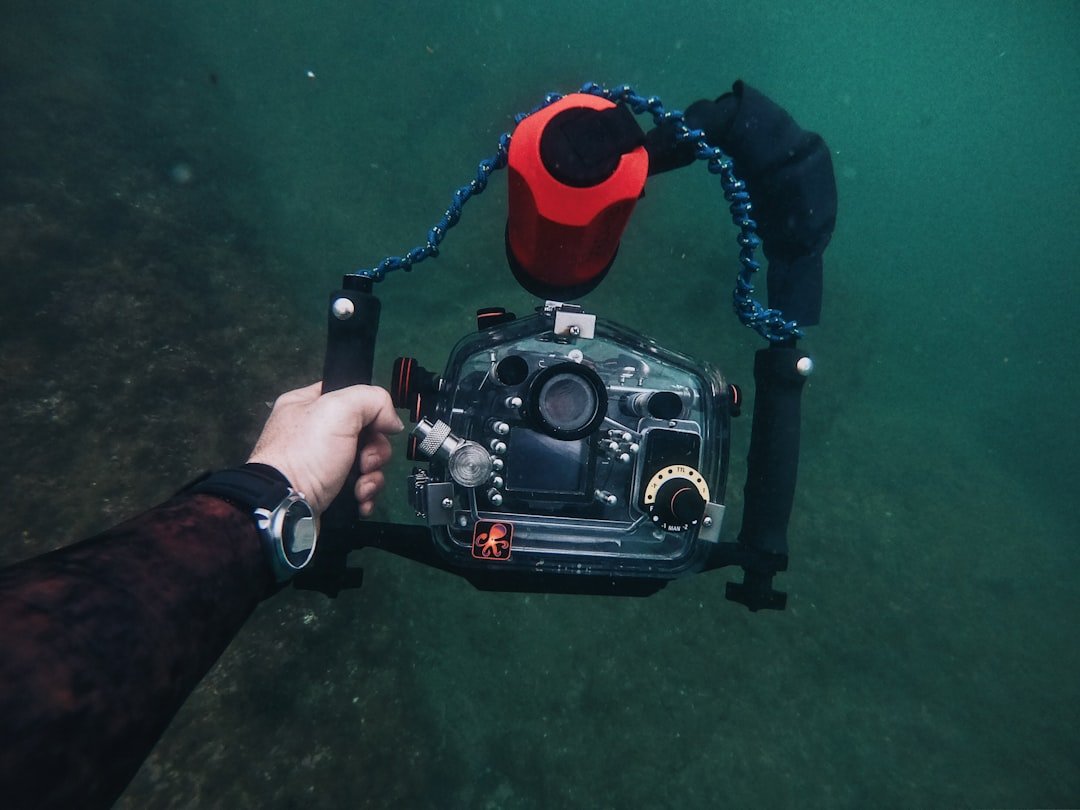
How to keep camera dome port from fogging comes down to keeping the housing interior dry, sealing it in cool dry air, and using fresh desiccant when conditions call for it. Most fog starts inside the housing. A clean dome, careful housing prep, and sensible storage prevent far more problems than any spray applied at the dive site.
Dome fogging is frustrating because it can turn a sharp reef scene into a soft, milky frame halfway through a dive. It is usually condensation. Warm, moisture-laden air gets trapped inside the housing, then the dome cools in the water and that moisture condenses on the inner surface of the port.
The key is simple. Do not trap humid air in the housing. This matters most on hot boats, tropical shore entries, and days when you repeatedly open the camera housing between dives, because every opening gives humid ambient air another chance to enter.
How to keep camera dome port from fogging before a dive
Prepare the camera and housing in the driest practical place available, ideally an air-conditioned room or cabin rather than an exposed deck. Keep it boring. If you must assemble on a boat, find shade, stay out of spray, and work quickly with all parts laid out before you open the back.
First, inspect the housing O-ring and its groove for hair, lint, sand, salt crystals, or excess grease. A dirty O-ring can cause a leak, but it can also leave moisture inside after a humid setup. Use the housing maker’s cleaning and lubrication guidance, since some O-rings need only a very light film while others should not be greased at all.
Next, make sure the camera body, port interior, and housing interior are completely dry before assembly. Wipe carefully. A single wet microfiber cloth or a few droplets around the camera tray can add enough moisture to create visible condensation once the dome cools.
Then install a fresh anti-fog insert if your housing has room for one and the manufacturer permits it. Place it where it cannot touch controls, block a vacuum valve, interfere with cables, or fall onto the camera. Keep the insert clear of the lens path and port opening.
After closing the housing, use its vacuum system if one is fitted and follow the manufacturer’s stated procedure and hold time. A vacuum check helps identify a bad seal. It does not remove water vapor already trapped inside, so it is useful insurance rather than a cure for fogging.
Anti-fog inserts explained
Anti-fog inserts are small packets or strips of desiccant, most often silica gel, that absorb water vapor inside the housing. They work quietly. Their job is to lower humidity before the cold water turns that humidity into droplets on the inner dome.
They are different from anti-fog liquids used on masks. Mask products are designed to change how water forms on an exposed surface, while a housing insert manages moisture in trapped air. Do not spray mask defog, dish soap, or household anti-fog products inside a camera housing unless the housing manufacturer specifically approves that product.
Single-use silica packets are convenient for travel, although their useful life depends on their size, the humidity during assembly, and how long the housing stays closed. Reusable color-indicating inserts can be economical, but only if you recharge them exactly as their instructions specify. An insert that has already absorbed moisture may look normal yet have little drying capacity left.
Use the right amount. One small packet may be enough for a compact housing, while a large mirrorless or DSLR housing with a dome port may have room for more, provided the manufacturer allows it and the packets cannot shift around. Packing the housing with desiccant is not the answer if it prevents proper closing or rubs against equipment.
Store spare inserts in an airtight bag or container. Otherwise they absorb humidity before the dive day begins. If a packet has sat loose in a damp camera bag for days, treat it as spent unless its indicator and instructions say otherwise.
Control the temperature change
Condensation needs moisture and cooling. Reduce either one. A dome port can cool quickly once it enters water that is much colder than the air, especially on a sunny day when the assembled housing has been sitting on a warm deck.
A practical habit is to keep the sealed housing shaded and out of direct sun until the dive starts, then avoid leaving it on hot metal, dark boat benches, or a camera table beside warm engine exhaust. Heat is the enemy here. The more the trapped air warms before immersion, the greater the temperature drop at the dome.
For example, a housing sealed in humid 30°C air may be lowered into 24°C water, which can be enough to reveal condensation on a cool port if the trapped air is near saturation. Seal it in a cooler, drier cabin instead. The same six-degree change is less likely to create trouble when there is far less water vapor inside.
Do not put a sealed housing in a refrigerator, freezer, or ice bath as a quick fix. Extreme cooling can create condensation on the exterior and may not suit the camera, battery, display, or housing materials. Follow the equipment manufacturer’s temperature limits, especially if you dive in cold water.
What to do between dives
Leave a properly sealed housing closed between dives whenever possible. Opening it on a humid boat deck to review images, swap batteries, or change cards is a common way to restart the fogging cycle. Review images through the housing screen if you can.
If you need to open it, dry the exterior first so no water drips into the housing, then move to the driest sheltered space available. Work methodically. Replace the desiccant if it has already been through a dive in humid conditions, especially if you saw even a faint haze on the dome.
Do not leave the empty housing sealed for long periods after diving. Once you are done for the day, rinse the closed housing according to its manual, dry the exterior, then open it in a clean dry place after the rinse water has drained away. Remove the camera and let the housing interior air out before storage.
Tell dome fog from other image problems
Internal fog usually looks like a soft haze that spreads across part or all of the image and may become worse as the dive continues. Check the inside of the dome immediately after surfacing. If you see droplets or a cloudy film on the inner surface, moisture is the cause.
External droplets look different. They may cling to the outer dome after surfacing, during a split-level shot, or when the port is lifted in and out of water. Rinse the exterior with clean water and avoid touching it with a dry towel, because towel fibers and salt residue can leave marks.
Backscatter is another separate problem. It appears as bright specks when your lights illuminate particles in the water, and no amount of silica gel will remove it. Move strobes farther from the lens axis, reduce their power when appropriate, and ask a certified instructor or experienced underwater photo mentor for help with buoyancy and lighting technique.
A persistent smear can also be sunscreen, skin oil, salt film, or a damaged coating on the dome. Inspect it under good light. Use only cleaning products and cloths that the port maker approves, since acrylic and glass domes tolerate different care and some coatings scratch easily.
A pre-dive dome port routine
- Dry the camera, housing interior, and port interior completely.
- Inspect the O-ring, groove, and sealing surface under good light.
- Fit a fresh or properly recharged desiccant insert if approved for your housing.
- Close the housing in a cool, dry, shaded location.
- Run the vacuum check according to the housing manual.
- Keep the sealed housing out of direct sun until entry.
- Check for haze after the first few shots underwater.
If you notice fog underwater, end the camera use rather than repeatedly opening the housing at the surface in wet conditions. Protect the camera first. Once you are dry and in a controlled space, open the housing, dry every interior surface, replace the insert, inspect the seal, and test again before trusting it on an important dive.
Frequently asked questions
Can I use silica gel packets from electronics packaging?
Sometimes, if they are clean, intact, unscented, and small enough to stay safely in place. Fresh packets are best. Avoid packets with torn material, loose beads, printed ink that may rub onto equipment, or unknown contents, and use only inserts that do not conflict with your housing manufacturer’s instructions.
Why does my dome fog only on the second dive?
The first dive may warm and humidify the trapped air, or the housing may be opened on a damp boat deck during the surface interval. This is common. Replace or recharge the insert, dry the interior thoroughly, and avoid opening the housing unless you truly need to.
Will a vacuum system stop dome fogging?
No. A vacuum system can show that the housing seal is holding before entry, but it does not dry humid air trapped inside when you closed it. Use both methods. A clean seal and dry internal air address different problems.
Should I put anti-fog liquid on the inside of a dome port?
Usually no. Internal fog is moisture condensation, and liquids may leave residue, damage materials, or contaminate controls and O-rings. Use a desiccant insert and dry assembly process unless the housing or port manufacturer specifically recommends a compatible product.
When should I suspect a leak instead of normal fog?
Stop using the housing if you find actual water droplets inside, a wet camera, repeated fog despite careful dry assembly, or a failed vacuum test. Do not gamble with it. Have the housing inspected by a qualified service provider before taking it back underwater.
Related posts
This article is for general informational purposes only and is not dive training or medical advice. Always train with a certified instructor and consult a doctor before diving if you have any health concerns. Gear specs, pricing, site conditions, and operator schedules change, so verify current details directly with the manufacturer or dive operator.
Disclosure: This post may contain affiliate links. If you click through and make a purchase, we may earn a commission at no extra cost to you. We only recommend gear we’ve researched or genuinely believe in.