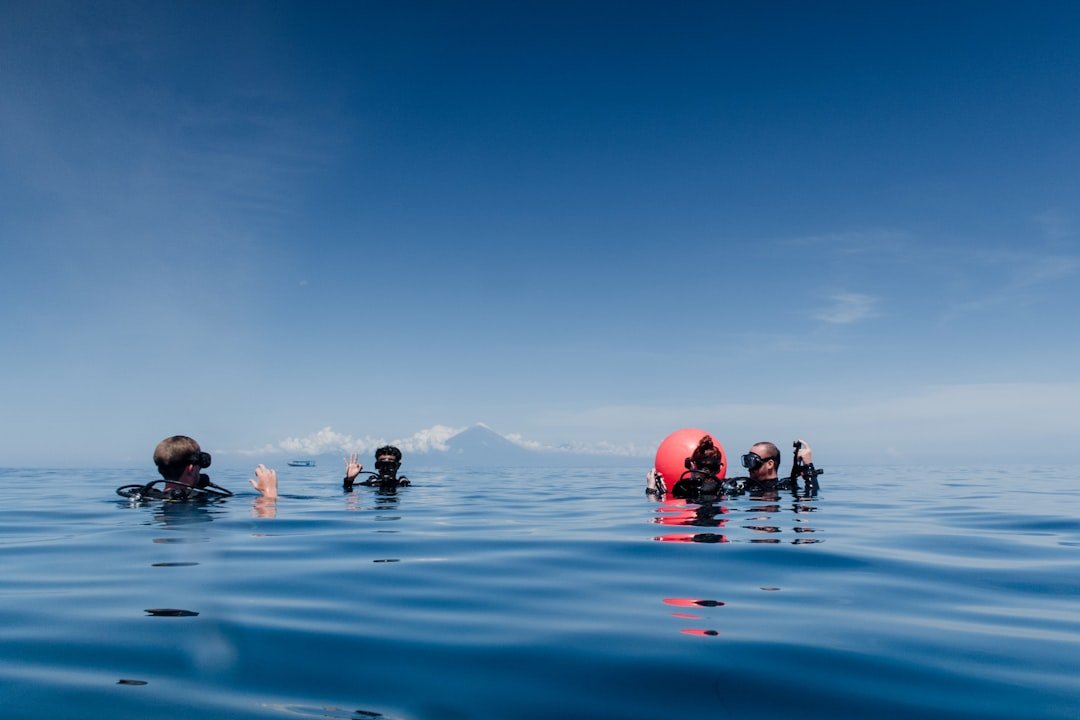
Open your logbook now and count your dives in conditions beyond your original certification course. The difference between advanced and rescue diver training is mainly the job you are learning to do: Advanced Open Water expands your personal diving skills, while Rescue Diver teaches you to spot trouble, respond to it, and manage an emergency involving another diver. Start with Advanced Open Water in the most common case. It gives a newer diver the underwater comfort that makes rescue practice far more useful later.
If you have recently completed Open Water, choose Advanced Open Water next. That is the clear recommendation. You will usually get supervised experience with deeper diving, navigation, and several elective adventure dives, which helps turn basic course skills into habits you can use at unfamiliar sites, on boat dives, and with new buddies.
The difference between advanced and rescue diver courses
Advanced Open Water, often called AOW, is an experience-building course. The exact structure differs by training agency, but it commonly includes a deep dive, an underwater navigation dive, and elective dives such as buoyancy, night, wreck, dry suit, or boat diving. You are still focused mainly on your own awareness, trim, gas supply, descent, ascent, and navigation. That foundation matters.
Rescue Diver changes the focus outward. You learn to recognize a stressed diver, help a tired diver at the surface, respond to an unresponsive diver, organize a search, bring a diver to an exit point, and coordinate help on shore or aboard a boat. It is physically demanding. It also asks you to think clearly while your own workload rises fast.
Neither course makes someone invulnerable. A card does not replace judgment. Both courses give supervised practice, but real incidents can involve current, waves, limited visibility, shore entries, panicked behavior, equipment problems, and delayed emergency services all at once.
The courses also feel different underwater. An Advanced Open Water student may spend a dive estimating distance with kick cycles, using a compass reciprocal heading, checking depth, or improving body position around a reef. A Rescue Diver student may repeat a surface approach, assess responsiveness, establish buoyancy, call for assistance, tow a diver, and remove equipment while staying in control. Repetition is the point.
Why Advanced Open Water is usually next
Most Open Water divers need more normal diving before they need rescue scenarios. Advanced Open Water puts you in varied conditions with an instructor and gives you a reason to practice skills that new divers often rush through after certification. Go slowly. A calm, well-trimmed diver has more spare attention for a buddy than a diver fighting buoyancy every minute.
Buoyancy is a good example. During rescue training, you may need to inflate a casualty’s buoyancy device while controlling your own, maintaining an airway at the surface, watching for boat traffic, and communicating with the shore team. That sequence is much easier when adding or venting gas already feels automatic. It is not glamorous. It is one of the biggest practical differences between merely completing rescue exercises and performing them smoothly.
Navigation also carries over directly. If a buddy is overdue, a useful search starts with details: last known position, time, direction of travel, depth, current, shoreline landmarks, and the dive plan. Advanced navigation practice teaches you to notice those details before a problem occurs. Rescue scenarios reward organized observation.
Advanced Open Water can also help you choose the kind of diving you actually enjoy. A cold-water diver may benefit more from dry suit orientation and buoyancy work than a tropical night dive. Someone planning liveaboards may value deep and navigation practice. Pick electives that match your next dozen dives, rather than choosing the ones that sound most dramatic.
There is another simple reason to take AOW first. It often creates a smoother route into Rescue Diver because many agencies require or strongly expect an advanced-level qualification, a minimum number of logged dives, and current CPR and first-aid training before rescue certification. Requirements vary by agency and region. Check the current standards with the training provider before you pay a deposit.
What Rescue Diver adds
Rescue Diver is not an advanced sightseeing course. It is a problem-management course. You spend meaningful time at the surface, where waves, wind, fatigue, and awkward equipment handling can make simple tasks feel surprisingly hard.
A solid rescue course should make you think before acting. A fast approach to a panicked diver can put both divers at risk, so instructors commonly teach assessment, communication, and a controlled approach rather than charging straight in. Keep space when needed. The goal is to assist without becoming another casualty.
You should also expect scenario work that begins before anyone enters the water. A useful response may include alerting emergency services, assigning someone to watch the water, sending another person for oxygen or first-aid equipment, collecting information for responders, and preserving a clear account of what happened. Local emergency plans differ. Ask where the nearest help is and how the operator contacts it.
Many divers come away from Rescue Diver with better everyday habits. They check that a buddy is genuinely ready, discuss turn pressure and separation procedures, look at entry and exit conditions, and notice small signs of stress earlier. Those habits help. They do not mean you should exceed your training or take charge of incidents beyond your ability.
Rescue training can be tiring, especially in a thick wetsuit, dry suit, or surf zone. Towing a fully equipped diver is hard work, and lifting someone onto a boat platform can require a team rather than one heroic effort. Use the technique your instructor teaches. If you have a heart, breathing, joint, or other health concern that affects exertion, discuss diving and the course demands with a doctor before enrolling.
Choose Rescue Diver next when these conditions fit
Rescue Diver wins when you already have the personal diving skills that Advanced Open Water is meant to develop. You do not need perfection. You do need enough comfort that your basic task loading stays manageable while you concentrate on another person.
Choose Rescue next if you already hold an advanced-level certification or have equivalent supervised experience accepted by your agency, and your recent dives show reliable control in the conditions where you plan to train. You should be able to hover without constant finning, deploy a delayed surface marker buoy if that is part of your normal diving, navigate a simple route, manage minor equipment issues calmly, and maintain awareness of your buddy. Be honest here.
It is also a sensible next course for divers who are joining a regular buddy group, helping with a club’s dive planning, or preparing for leadership-track training later. Rescue knowledge gives those divers a better framework for prevention and emergency preparation. It does not authorize them to act as professional dive staff or replace the site procedures set by an operator.
Current first-aid and CPR training is another practical signal. Rescue courses often require it, or pair it with rescue training, because underwater response continues after the diver reaches the surface. Verify the accepted provider, renewal period, and documentation rules with your instructor. Do that early.
Do not choose Rescue solely because the name sounds more advanced. A diver who has only done easy, guided, warm-water dives may complete the class but still lack useful experience in planning, navigation, current, visibility changes, or independent buddy diving. More dives alone are not the answer. Deliberate practice is.
A practical way to decide this week
Use this quick sequence before booking. It takes ten minutes. Write down your last ten dives, including depth, visibility, current, entry type, water temperature, and whether you navigated or followed a guide.
- Look for variety. If most of your dives were similar resort dives with a guide leading every group, take Advanced Open Water and choose navigation plus electives that fit your local diving.
- Rate your control honestly. If you still need frequent corrections to hold a safety-stop depth, stay close to a buddy, or manage ascents, build those skills first. Advanced is the better classroom.
- Check the formal entry rules. Confirm the agency’s minimum certification, dive-count, age, medical, and current first-aid requirements directly with the instructor or agency materials.
- Match the course to your next year. If you plan regular buddy dives and already have dependable fundamentals, book Rescue Diver. If you are expanding where and how you dive, book Advanced Open Water.
Here is a concrete example. A diver with eight post-certification dives, all shallow reef tours in calm water, should take Advanced Open Water next and include navigation and buoyancy-focused training if available. A diver with an advanced-level card, roughly 30 logged dives across shore and boat sites, current first-aid training, and steady buoyancy is usually ready to get more value from Rescue Diver. Numbers are only a screen. Your instructor should assess your actual skills.
Course order that works for most recreational divers
The common progression is Open Water, Advanced Open Water, then Rescue Diver, followed by specialty training that supports the diving you really do. This order is sensible because it layers exposure before responsibility. Keep diving between courses.
Try to get several dives after Advanced Open Water before Rescue if your schedule allows. Use those dives to plan with a buddy, run compass routes, hold controlled safety stops, deploy an SMB where appropriate, and discuss what each of you would do after separation or an equipment issue. Small routines add up.
Do not treat specialty cards as a race. A dry suit course is valuable before cold-water dry suit diving. A deep-diving course can be useful if your planned sites require it. Wreck training has limits, and an entry-level wreck specialty does not automatically qualify a diver for penetration. Read the course scope carefully.
Cost and time may affect the decision too. Advanced Open Water is often shorter and less expensive than Rescue Diver, while Rescue commonly includes additional first-aid training, pool or confined-water work, scenario days, and more demanding instructor time. Prices vary by region. Ask what the quoted fee includes, especially rental gear, learning materials, certification processing, site fees, and any required first-aid course.
Questions to ask the instructor before booking
Ask how much open-water time the course includes and what conditions the training site usually has. A rescue course taught only in flat, warm water can still teach core skills, but you should understand how those skills change in your usual cold-water, current, shore-entry, or boat-diving environment. Context matters.
Ask whether you will practice full scenarios rather than only isolated skills. You want feedback on communication, assessment, positioning, and decision-making, not just a checklist of tows. Also ask about the student-to-instructor ratio. More individual practice time usually helps.
For Advanced Open Water, ask which elective dives are genuinely available at that location. Some advertised options depend on weather, boats, visibility, or equipment. Choose the course provider whose available dives line up with your actual plans, even if another package lists more exciting-sounding possibilities.
The bottom line is simple. Take Advanced Open Water next if you are a typical newer Open Water diver, because better buoyancy, navigation, and varied supervised experience make every future course safer and more useful. Take Rescue Diver next only when those skills are already dependable and you want focused training in prevention, response, and team-based emergency management. Train with a certified instructor.
Related posts
This article is for general informational purposes only and is not dive training or medical advice. Always train with a certified instructor and consult a doctor before diving if you have any health concerns. Gear specs, pricing, site conditions, and operator schedules change, so verify current details directly with the manufacturer or dive operator.
Disclosure: This post may contain affiliate links. If you click through and make a purchase, we may earn a commission at no extra cost to you. We only recommend gear we’ve researched or genuinely believe in.