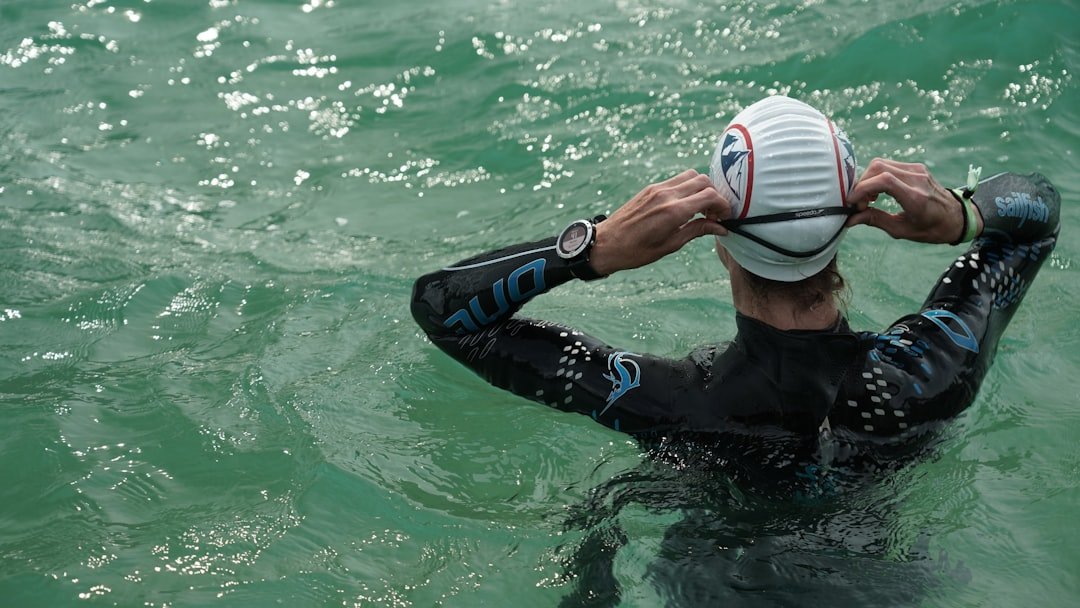
What to wear under a wetsuit depends on water temperature, how well the suit fits, and what feels comfortable against your skin. For most scuba dives, what to wear under a wetsuit is a close-fitting swimsuit, rash guard, dive skin, or purpose-made thermal base layer that does not bunch up. The best layer is thin enough to let the wetsuit seal properly while giving you coverage, warmth, or easier suit changes.
What to wear under a wetsuit for comfort and warmth
A regular swimsuit is the usual starting point for warm-water diving. Choose one without bulky knots, thick seams, metal hardware, loose ties, or padded sections that can press into your back or shoulders once the neoprene is zipped up. For men, fitted swim briefs, jammers, or close-cut swim shorts tend to sit more smoothly than loose board shorts. For women, a one-piece swimsuit or a secure bikini usually works well, although the best choice depends on where your wetsuit seams and zipper land.
A rash guard adds a useful layer between your skin and the wetsuit, especially if you get friction around the neck, underarms, waistband, or knees. Pick a snug one, since loose fabric can fold under neoprene and create pressure points that feel minor on the boat but become irritating during a long dive day. A thin synthetic rash guard also makes a tight full suit much easier to pull on, because it slides against the wetsuit lining more readily than damp skin.
A dive skin is often the most versatile option for recreational divers who travel. These are usually thin, close-fitting full-body suits made from stretchy synthetic fabric, and they provide more coverage than a swimsuit without adding much buoyancy or changing your weighting much. In warm water, a dive skin can reduce stings, sun exposure between dives, and rubbing from rental suits, while in mildly cool water it gives a small extra buffer under a properly fitted wetsuit.
For cooler dives, use a thermal base layer designed for watersports or diving rather than ordinary clothing. Thin fleece-lined tops, neoprene vests, hooded vests, and thermal leggings can add noticeable comfort when the water is cool enough that you are shivering between dives or ending dives early because you feel chilled. An underlayer that is too thick can compress the wetsuit, restrict shoulder movement, make zipper closure difficult, and leave gaps where cold water flushes through.
Long-sleeve thermal tops are a practical first upgrade because the torso loses heat quickly and the top is easy to remove if conditions are warmer than expected. A sleeveless neoprene vest can also work well under a full wetsuit when you want extra core warmth without adding bulk around the arms. Before taking the combination on a dive trip, test it dry by lifting your arms overhead, bending at the waist, squatting, and simulating reaching for tank valves or a fin strap.
What to avoid under a wetsuit
Skip cotton T-shirts, cotton leggings, and ordinary underwear for diving. Cotton stays wet, feels cold after the dive, and can bunch into uncomfortable folds under neoprene. Loose shorts are another common mistake because they can ride up, trap water, twist around your thighs, and make getting into the wetsuit harder than it needs to be.
Thick compression garments can be uncomfortable under a wetsuit if their seams sit under the suit’s seams or if the fabric is hard to move in once wet. Some divers like compression shorts for coverage, but they should be smooth, quick-drying, and free of raised pockets or drawstrings. A thick elastic edge under a snug wetsuit can dig in during a long surface interval or when you are seated on a boat bench.
Do not rely on extra clothing to fix a wetsuit that is the wrong size. A suit should lie close to your body at the lower back, armpits, crotch, and behind the knees, with no large air pockets or loose folds. Water entering a loose suit circulates and carries away body heat, so adding a thermal shirt beneath an oversized suit may still leave you cold.
Choose your layer by conditions
For tropical water and short dives, many divers are comfortable in a swimsuit or thin rash guard beneath a 1.5 mm to 3 mm wetsuit, depending on the person and the conditions. Wind, rain, repeated dives, long boat rides, and a cool thermocline can make a day feel much colder than the surface temperature suggests. These thickness ranges are general examples only, so confirm appropriate exposure protection with a local dive shop or certified instructor for your planned conditions.
In moderate conditions, a dive skin or thin thermal top under a 3 mm to 5 mm wetsuit is a sensible setup when you want more comfort without moving straight to a thicker suit. A practical example helps: if you are comfortable for one 45-minute dive but noticeably cold during the second, add a thin torso layer first rather than immediately adding thick leggings and a vest together. This gives you a clearer idea of what actually improved your comfort and whether your weighting needs adjustment.
For cold-water diving, the right answer may be a thicker wetsuit, a semi-dry suit, or a drysuit rather than piling multiple layers under a thin suit. Cold-water equipment choices affect buoyancy, gas use, dexterity, and emergency procedures, so discuss the setup with a certified instructor or an experienced local dive professional before using unfamiliar exposure protection.
Fit, buoyancy, and changing comfort
Any layer worn under neoprene can alter how the wetsuit fits and how much weight you need. A very thin rash guard usually makes little difference, while a neoprene vest or thicker thermal layer can add buoyancy and may require a small weight adjustment, particularly in salt water.
Complete the check at the end of a dive day or in conditions close to your planned dive, with the cylinder pressure your training agency recommends for a proper check. You should be able to hold a controlled position at the surface and descend smoothly after exhaling, without carrying unnecessary lead. If you are new to weighting checks, ask a certified instructor or dive professional to watch and help you interpret the result.
Think about changing before and after the dive too. A swimsuit and dive skin make changing on a boat or at a shore site less awkward, while a dry base layer can feel far better than wet swimwear during a long ride back. A dry towel, warm top, and fresh clothes often improve post-dive comfort more than another thin layer under the suit.
FAQ
Can you wear underwear under a wetsuit?
You can, but quick-drying swim underwear or fitted synthetic shorts are generally more comfortable than cotton underwear. Cotton holds water and may chafe, while bulky seams and waistbands can become painful beneath a close-fitting suit.
Should you wear a rash guard under a wetsuit?
A rash guard is a good option when you want less skin friction, easier suit entry, or a little extra coverage in warm water. Choose flat seams and avoid loose sleeves that may roll up as you pull the wetsuit on.
Do you wear a swimsuit under a rental wetsuit?
Most divers do wear a swimsuit or dive skin under a rental wetsuit for comfort and hygiene. Inspect the rental suit for damaged seams, a broken zipper, strong odor, or poor fit, and ask for another size if it leaves large gaps or severely restricts breathing and movement.
Will an extra layer make me warmer?
A thin thermal layer can help if the wetsuit still fits closely and limits water movement around your body. If you remain cold, the underlying issue may be an unsuitable wetsuit thickness, poor fit, wind exposure on the surface, or a dive plan that exceeds your current cold tolerance.
Can I wear a hooded vest under my wetsuit?
Yes, a hooded vest is commonly used with a full wetsuit when conditions call for more core and head warmth. The hood must sit smoothly around your face and neck, and the vest should not interfere with the wetsuit collar, regulator hose routing, or your ability to turn your head comfortably.
Related posts
This article is for general informational purposes only and is not dive training or medical advice. Always train with a certified instructor and consult a doctor before diving if you have any health concerns. Gear specs, pricing, site conditions, and operator schedules change, so verify current details directly with the manufacturer or dive operator.
Disclosure: This post may contain affiliate links. If you click through and make a purchase, we may earn a commission at no extra cost to you. We only recommend gear we’ve researched or genuinely believe in.