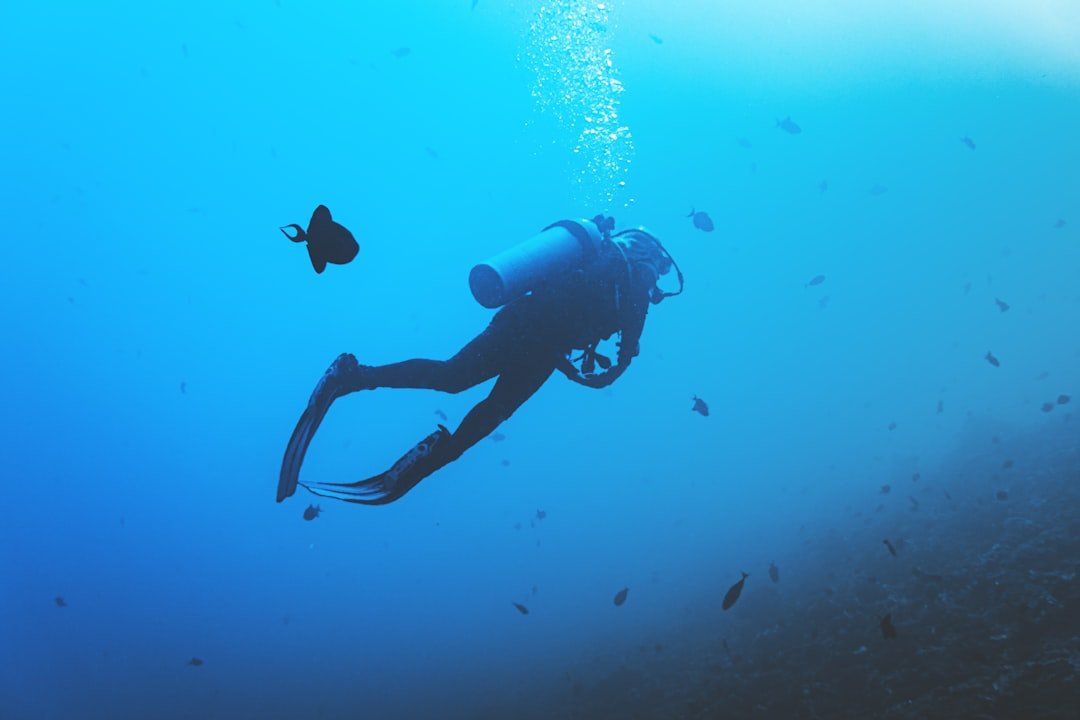
Your first dive season determines whether you fall in love with the ocean or spend three months fighting uncomfortable gear. A solid beginner scuba gear checklist saves you hundreds of dollars and keeps you comfortable when visibility drops or water gets cold. Before you buy anything, know that rental gear exists—but owning your mask, fins, and regulator makes every dive feel right.
Why Your Beginner Scuba Gear Checklist Matters Right Now
Most people don’t realize that rental gear sits in storage bins all week. Salt crystals hide in the corners. Masks leak because someone didn’t rinse the silicone properly. Your fit matters more than any brand name.
Starting with your own beginner scuba gear checklist changes everything.
I’ve been diving with my personal mask for five years, and I can count the leaks on one hand. Rental masks? I’ve abandoned at least a dozen mid-dive. The difference isn’t price—it’s fit and familiarity. When you know exactly how your gear feels, you stop worrying about it and start noticing the reef.
| Gear Category | Must-Own First | Can Rent Initially | Budget Range |
|---|---|---|---|
| Mask and Snorkel | Yes | No | $40–$120 |
| Fins | Yes | No | $60–$200 |
| Wetsuit or Rash Guard | Depends on Water Temp | Yes | $50–$350 |
| BCD (Buoyancy Control Device) | No | Yes | $300–$800 |
| Regulator | No | Yes | $350–$1,200 |
| Dive Computer | No | Yes | $200–$1,000 |
| Tank and Weights | No | Yes | Rental Standard |
The Essential Beginner Scuba Gear Checklist: What Goes in Your Bag
Your beginner scuba gear checklist splits into three tiers: gear you must own before your first certification dive, gear you should own within your first season, and gear that matters once you’re hooked.
Tier 1: Own These Before Your First Dive
- Mask with tempered glass and a silicone skirt that doesn’t squeeze your face
- Fins that fit snug but don’t cramp your feet after ten minutes
- Snorkel with a purge valve for easy water clearing
- Dive gloves if you’re diving anywhere cooler than 24°C, even just thin five-millimeter neoprene
- A mesh gear bag that dries quickly and doesn’t harbor mold like canvas bags do
Tier 2: Prioritize During Your First Season
- A wetsuit or rash guard matched to your local water temperature—rental wetsuits stink, literally
- A personal regulator for breathing comfort and knowing your air supply responds exactly how you expect
- An entry-level dive computer so you own your decompression data instead of trusting rental units with dead batteries
- A weight belt or integrated weights, because the rental setup rarely balances correctly for your body type
Tier 3: Build Your Setup Later
- A quality BCD when you know whether you prefer jacket-style or harness systems
- Underwater camera gear once you’ve done ten dives and understand what you actually want to photograph
- Tank and backplate if you’re diving regularly in one location
How to Build Your Beginner Scuba Gear Checklist Without Wasting Money
Condition: You’ve decided to get certified this season. Audience: Divers aged 25–50 ready to invest but uncertain what actually matters. Method: Follow this process before spending a dollar. Here’s the actual sequence most divers skip.
- Rent a full setup on your first trip and write down every moment something felt wrong—the mask fogged, your fins rubbed a blister, you couldn’t clear your ears, the gloves were too thick.
- Ask your instructor which rental gear issues they hear most often, because they’ve seen three hundred divers react the same way you just did.
- Visit a local dive shop and try on masks and fins in person, not online—fit is everything, and you cannot guess your face shape from a website.
- Buy your mask, snorkel, and fins before your certification course starts so you practice with familiar gear during training.
- After your first ten dives, decide what rental items frustrated you most, and make that your next purchase—this is the part that actually matters because you know your actual needs now.
- Talk to divers with 50+ logged dives in your region about their beginner scuba gear checklist choices and what they’d buy differently if starting over.
- Budget for one major purchase per month your first year instead of buying everything at once and discovering the regulator doesn’t feel right in your mouth.
You’d think buying expensive gear first makes sense—it usually doesn’t.
I’ve seen so many divers blow their budget on a $600 BCD before owning a proper mask, then spend the first month uncomfortable and nearly quit diving. Start small, verify what actually matters to your body and preferences, then upgrade.
My Picks for This
- Cressi Climate Mask offers a compact field of vision and wide silicone skirt that seals on nearly every face shape without overtightening.
- Mares Avanti Quattro Plus Fins balance power and comfort for new divers, with a foot pocket that doesn’t destroy your arch after an hour of walking to the dive site.
- Apeks MTX-R Regulator delivers smooth breathing from the surface through deep water and costs less than high-end models while feeling premium in your mouth.
- Garmin Descent Mk3i Dive Computer combines surface smartwatch features with rock-solid decompression algorithms, so you’re not carrying two devices to the beach.
- Fourth Element Thermocline Wetsuit keeps you warm in 15–20°C water with minimal bulk, letting you move naturally instead of feeling wrapped in a sleeping bag.
Frequently Asked Questions (FAQ)
Q1. How much should I spend on a beginner scuba gear checklist my first year?
Most divers spend between $400 and $1,000 on a beginner scuba gear checklist before their first season ends. Start with $300–$400 for mask, fins, snorkel, and gloves. Add a wetsuit ($50–$300) and entry regulator ($350–$600) within the first month or two based on local water temperature. A dive computer ($200–$500) becomes valuable once you’re doing multiple dives weekly. Don’t feel pressure to own everything immediately—renting tank, BCD, and weights is normal and smart while you learn.
Q2. Should I buy a dry suit or wetsuit as part of my beginner scuba gear checklist?
A wetsuit is the right first choice for most beginners. Dry suits add complexity, cost $1,000 to $3,000, and require separate training. Wetsuits work well in temperatures from 10°C to 28°C depending on thickness. Once you’ve logged 50+ dives and know you’re diving cold water regularly, a dry suit becomes worth the investment and training. Many recreational divers never need one.
Q3. Can I use a regular snorkel and mask instead of diving-specific ones on my beginner scuba gear checklist?
Diving masks have tempered glass that won’t shatter if you bang it on a coral head, while snorkeling masks often use regular glass. Dive snorkels have purge valves that let you expel water without removing the mouthpiece, and flex tubes that won’t kink when your regulator sits in your mouth. Buy actual dive gear—the price difference is minimal and the safety difference matters.
Q4. Should my beginner scuba gear checklist include underwater camera gear right away?
No. Complete at least ten dives with rental gear first. Most new divers ditch underwater photography after the third dive because managing a camera while managing buoyancy is harder than it looks. Once you’re comfortable underwater and understand what subjects interest you, add camera gear. Starting with an entry-level compact camera ($300–$500) teaches you more than buying a $3,000 setup before you know what you actually want to shoot.
Q5. What’s the difference between a jacket BCD and a harness-based BCD for my beginner scuba gear checklist?
Jacket BCDs wrap around your torso and feel familiar if you’ve worn a life vest. Harness systems are minimalist and popular for traveling light. Most beginners prefer jackets because they distribute weight comfortably and offer attachment points for accessories. Rent both styles during your first dives, then decide. Your preference matters more than brand reputation, so feel both before committing $500.
Q6. How often should I service my beginner scuba gear checklist gear?
Regulators need professional service every 12 months or every 100 dives, whichever comes first. Masks, fins, and snorkels need rinsing with fresh water after every dive and storage in a dry place away from direct sun. Wetsuits and BCDs rinse with fresh water and dry completely before storage. A yearly regulator service costs $100–$200 but prevents $1,000+ in emergency repairs. Budget for it from the start.
Related posts
This post is for informational purposes only and does not constitute professional diving instruction, medical advice, or travel guidance. Scuba diving involves inherent risks — always train with a certified instructor and consult a physician before diving. Prices, product specs, dive site conditions, operator schedules, and entry requirements are subject to change without notice. Always verify current details directly with manufacturers, retailers, dive operators, and local authorities. This site may contain affiliate links — purchases made through our links may earn us a commission at no extra cost to you.