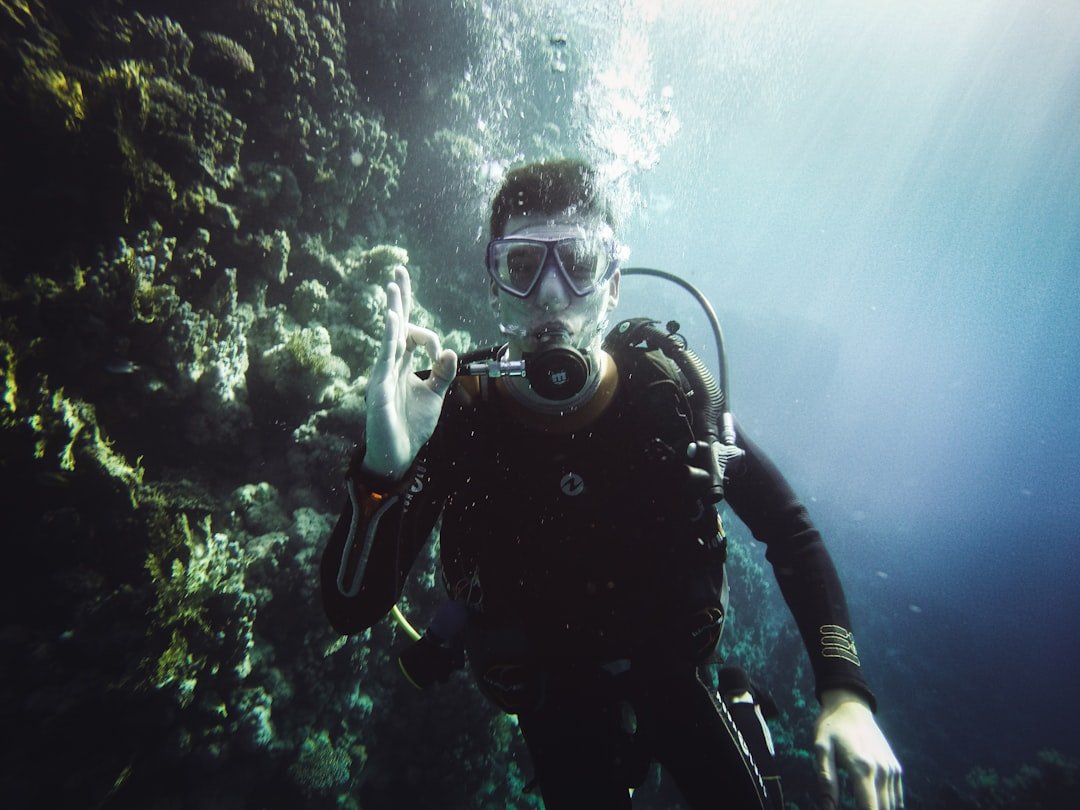
You unpack your gear after a weekend of fun dives, then notice the divemaster has spent the day checking buddy pairs, handling a delayed boat departure, and keeping the group calm underwater. That role takes more than a large logbook. How to become a divemaster starts with solid recreational skills, Rescue Diver-level training, documented experience, and a willingness to take responsibility for other divers. It is a professional-level rating. Learning how to become a divemaster is usually a months-long process rather than one quick course.
How to become a divemaster step by step
The exact path depends on the agency you train with, but the sequence is similar at most dive centers. Start by choosing a reputable instructor and shop that can explain its current standards in writing. Ask direct questions. You need to know what is included, which equipment you must own, how many days the program needs, and whether boats, pool sessions, manuals, certification fees, and marine-park fees cost extra.
- Build an Open Water foundation. You need entry-level scuba certification before progressing. Get comfortable with buoyancy, mask clearing, regulator recovery, navigation, controlled ascents, and buddy procedures. Basic skills matter.
- Complete Advanced Open Water or an equivalent level. This normally confirms training beyond entry-level diving and includes deeper and navigation-related experience. Do not rush it. Use these dives to practice trim, finning without stirring the bottom, and accurate compass work.
- Take Rescue Diver training. This is the major transition point because the focus moves beyond your own dive. You practice recognizing stress, responding to missing-diver scenarios, managing tired divers, and organizing an emergency response. It can feel demanding.
- Maintain current first-aid and CPR training. Many divemaster programs require emergency first response or a comparable CPR and first-aid credential completed within a specified recent period, often 24 months. Confirm the accepted provider and date rule before you enroll.
- Log the required dives. Major agencies commonly require around 40 logged dives to begin divemaster training and around 60 to certify, although exact standards differ. Log details clearly. Record date, site, depth, time, conditions, buddy, and what you practiced.
- Meet the medical and age requirements. Divemaster candidates are generally adults, often at least 18 years old, and may need a completed medical questionnaire or physician approval. Be honest. Any issue involving lungs, heart health, medication, ears, or past pressure-related injuries deserves a discussion with a dive doctor before training.
- Enroll in the divemaster course. The program combines knowledge development, water skills, practical assessments, and supervised experience assisting with real dive operations. Pick a center where you can observe how staff treat guests, crew, and the environment.
Build experience before you start
Meeting the minimum dive count does not automatically mean you are ready for the workload. A diver with 60 varied dives in current, lower visibility, cold water, shore entries, and boat diving often has a stronger base than someone with the same total from identical easy conditions. Variety helps. It teaches you how conditions alter gas planning, weighting, navigation, and group control.
Spend several dives working on the details that guests notice immediately. Hold a stable safety stop without grabbing a line. Deploy a delayed surface marker buoy without losing control of your ascent. Navigate a simple out-and-back route, then return close to the planned exit point. These are practical habits.
A good pre-course target is to complete routine dives with minimal fuss while still paying attention to your buddy and the wider group. If you are regularly overloaded with gear, uncertain about buoyancy, or anxious when conditions change, get more guided experience first. There is no prize for rushing.
What divemaster training asks you to do
Divemaster candidates usually complete watermanship evaluations, skill demonstrations, knowledge reviews, workshops, and scenario-based assessments. The exact tests are agency-specific. A common set includes a timed swim, a timed tread or float, a snorkel swim, and towing a tired diver over a set distance. Train steadily. Trying to make up fitness in the final week is miserable and raises the chance of strain.
You will also need to demonstrate core scuba skills to demonstration quality. That means controlled, clear, slow movements that a student could copy, rather than simply completing a skill well enough to pass a recreational course. Small errors show. A rushed mask clear or unstable hover can cost points because the standard is deliberately higher.
The practical side is where the course becomes realistic. You may map a site, conduct a dive briefing, organize divers by experience, help with equipment setup, supervise a group underwater, and respond to simulated problems while maintaining your own awareness. Conditions can change quickly. Good communication before entering the water prevents many issues later.
Plan your time, gear, and budget
Many candidates complete divemaster training over several weeks or months while continuing to log dives, although an intensive schedule may be available at a busy destination. More time often helps. It gives you repeat exposure to briefings, boat procedures, guest questions, and different sea states rather than treating each task as a one-off assessment.
Expect to need reliable personal equipment, usually including a mask, snorkel, fins, exposure protection, dive computer, compass, surface marker buoy, cutting tool, slate, and appropriate scuba equipment. A dive center may rent some items, but professional candidates generally benefit from gear they know well and can maintain. Fit comes first. A cheap mask that leaks or poorly fitted fins that cause cramps become daily distractions.
Course fees can range widely once manuals, application fees, rental gear, accommodation, transport, and extra dives are included. Prices vary by region. Get a written estimate, then add a contingency for replacement parts, laundry, meals, and days when weather prevents boat diving. A lower course price is not automatically better if it leaves little supervised practical time.
Learn the job, not only the course
A divemaster supports dive operations and certified instructors within the limits of their training, local rules, and agency standards. You are not automatically qualified to teach scuba courses independently. That distinction matters. Teaching responsibilities require instructor-level training and the appropriate active status with the relevant agency.
Pay attention to the unglamorous work during your course. Learn how tanks are handled safely, how manifests and emergency oxygen are checked, where first-aid equipment is stored, and how the crew communicates if someone returns late. Good operations look quiet. That is usually because preparation happened before guests arrived.
If you intend to work after certification, ask local operators about visa rules, insurance, employment status, required language skills, and whether they expect additional training. Do this early. A divemaster rating can open opportunities, but it does not guarantee paid work, and seasonal destination jobs can be competitive.
A practical four-week preparation plan
If your prerequisites are already complete, use the month before your course to remove avoidable stress. Start with equipment. Service any regulator or BCD according to the manufacturer schedule, replace worn mask straps, inspect fin buckles, and make sure your computer battery is reliable if the model allows user replacement.
- Week one: Review rescue skills and emergency procedures with a certified instructor or dive professional. Update your logbook. Confirm first-aid and CPR dates.
- Week two: Do two relaxed practice dives focused on buoyancy, hovering, DSMB deployment, navigation, and clean safety stops. Keep notes afterward.
- Week three: Build swimming endurance with several moderate sessions, then practice fin swimming if your course includes it. Avoid sudden extreme workouts.
- Week four: Read the course materials, pack spares, prepare a simple gear checklist, and sleep well before day one. Arrive organized.
Frequently asked questions
How long does it take to become a divemaster?
It depends on your starting certification level, logged dives, schedule, and access to diving. An intensive course may run for a few weeks once prerequisites are met, while many recreational divers take several months to build experience and complete the training properly. Slow progress is fine. Consistent diving usually builds better judgment than chasing a calendar deadline.
Do I need to be very fit?
You need enough fitness for swims, towing exercises, repeated entries and exits, gear handling, and long days on your feet. You do not need to train like an athlete. If you have any health concern, reduced exercise tolerance, or a condition affected by pressure or exertion, seek advice from a doctor familiar with diving before you begin.
Can I become a divemaster with only tropical dives?
Yes, if you meet your agency’s requirements, but adding varied conditions is useful. Cold water, current, low visibility, shore diving, and boat procedures all teach different skills. Start within your training and comfort zone. A certified instructor can help you expand experience safely.
Is divemaster worth it if I do not want a dive job?
It can be worthwhile for divers who enjoy deeper knowledge, better rescue skills, and helping with club or travel dives. It is still a serious commitment. If your main goal is simply more enjoyable recreational diving, a specialty course, guided trip, or extra rescue practice may fit your budget and time better.
Related posts
This article is for general informational purposes only and is not dive training or medical advice. Always train with a certified instructor and consult a doctor before diving if you have any health concerns. Gear specs, pricing, site conditions, and operator schedules change, so verify current details directly with the manufacturer or dive operator.
Disclosure: This post may contain affiliate links. If you click through and make a purchase, we may earn a commission at no extra cost to you. We only recommend gear we’ve researched or genuinely believe in.