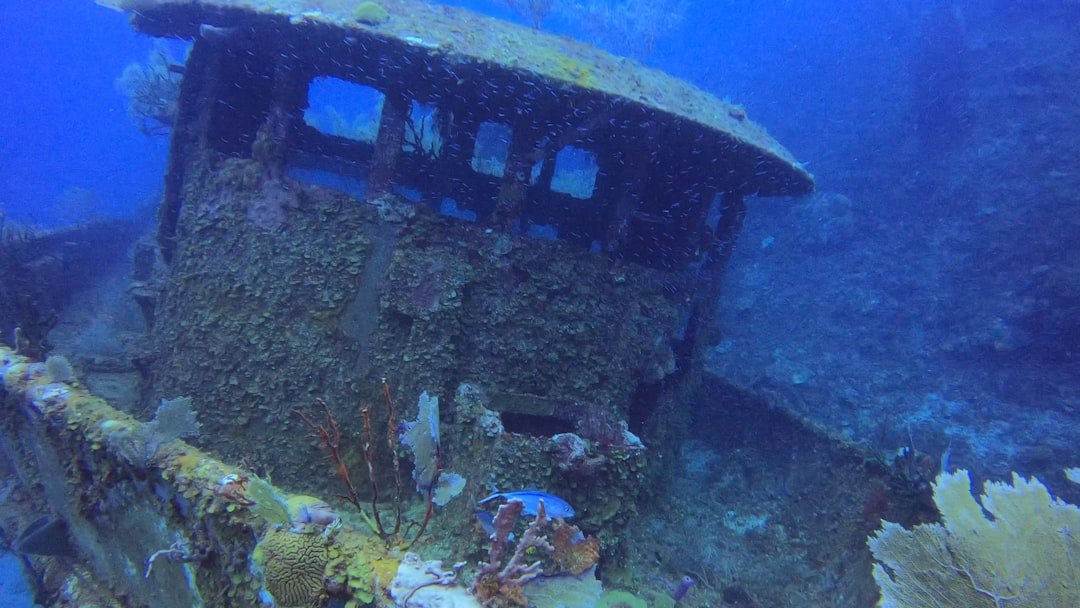
For experienced divers, top wreck diving destinations include Chuuk Lagoon, Scapa Flow, Bikini Atoll, Egypt’s Red Sea, Coron Bay, Malta, and Florida’s Spiegel Grove. Each rewards a different kind of diver. Some offer huge intact ships in warm water, while others demand drysuit skill, technical gas planning, or a very long trip to reach a remote atoll.
The best wreck sites are not automatically the deepest or most difficult. Choose the wreck that matches your actual training and recent experience. A famous engine room is still an overhead environment, and a 40-metre dive with current, decompression obligations, or cold water can become demanding fast.
How to choose a wreck diving destination
Start with the type of wreck diving you want. Penetration wrecks need specific training, redundant equipment, disciplined line use, and a willingness to turn the dive early. No shortcuts. External tours of large wrecks can be equally memorable and are often the better call when visibility, current, or team experience is less than ideal.
Check the normal depth range, water temperature, visibility pattern, entry method, and whether the operator expects a minimum number of logged dives. Ask what certification they require for penetration or decompression profiles. Requirements vary. Also ask whether guides provide reels, lights, emergency oxygen, and a clear lost-diver or lost-line procedure.
- Match the deepest planned segment to your certification, recent dives, gas supply, and conservatism.
- Decide whether you want an exterior route or trained overhead penetration.
- Budget for the conditions, including extra exposure protection, travel insurance, permits, and possible weather delays.
- Book several dive days when travel is remote or the site has current-sensitive access.
A practical rule helps. If a destination’s signature wreck is deeper than your normal comfort zone, do not make it your first dive there. Spend the first day on easier local wrecks, assess weighting and air use, then make a conservative decision with the local guide.
Chuuk Lagoon, Micronesia
Chuuk Lagoon is the classic choice for a wreck-focused liveaboard trip because dozens of Japanese World War II vessels lie within relatively sheltered lagoon water. The scale is hard to match. Cargo holds, trucks, aircraft parts, engine rooms, and large gun structures give repeat visitors plenty of different dive plans.
Many popular wrecks have shallow upper decks with deeper lower sections, so profiles can suit experienced recreational divers as well as divers trained for extended-range or decompression diving. Penetration access differs by wreck and operator. Corrosion, silt, sharp metal, tight spaces, and deep exits change the risk even on ships that look open in video footage.
I would choose Chuuk for a full week rather than a short add-on. Liveaboard schedules give better access and reduce daily transfer time, but remote logistics mean missed connections can affect the trip. Bring redundant lights, a save-a-dive kit, and exposure protection appropriate to your own tolerance.
Scapa Flow, Scotland
Scapa Flow has seven German High Seas Fleet wrecks from the First World War, plus smaller wartime sites, and it is one of the world’s most satisfying places for divers who enjoy history and large steel structures. The water is cold. Visibility can also shift quickly with weather, plankton, and tidal conditions.
The major battleships and cruisers commonly sit in roughly the 20-45 meter range, depending on the route and tide, which makes buoyancy control and gas planning central to the dive. A drysuit is normal here. Good propulsion technique matters because careless finning can destroy visibility inside openings and around silty decks.
Scapa Flow suits divers who already feel relaxed in cold water and can manage a deliberate descent, ascent, and surface interval routine. It is less about collecting wreck names. The reward is spending time looking at huge turrets, armour plate, boilers, and marine growth without rushing a complicated profile.
Bikini Atoll, Marshall Islands
Bikini Atoll is a bucket-list wreck destination for technical divers, known for large warships sunk during nuclear weapons testing after the Second World War. It is remote. Travel, permits, operator availability, and site access can change, so confirm current arrangements before building a trip around it.
Several headline wrecks are deep enough that they commonly require technical training, decompression planning, and appropriate breathing gases rather than recreational no-decompression diving. The wrecks are exceptionally large and visually dramatic, but their depth is the point. Do not treat this as a place to stretch a certification or learn unfamiliar equipment procedures.
A sensible trip plan includes extra time before and after diving because flights and weather can disrupt island schedules. Bring equipment redundancy only if you are trained to use it. A local operator’s brief is essential because mooring setups, current, and permitted routes can vary.
Red Sea wreck diving in Egypt
Egypt’s Red Sea offers the best blend of accessible famous wrecks, warm water, and liveaboard choice for many experienced recreational divers. The SS Thistlegorm is the headline site. Its cargo of motorcycles, trucks, railway equipment, and other wartime supplies makes an exterior dive interesting even without entering enclosed areas.
Thistlegorm often has current, boat traffic, changing visibility, and a depth profile that can reach beyond 30 metres around the lower wreck, so a rushed first descent is a poor idea. Stay close to the agreed route. Penetration should only be done with the right training, redundant lights, and a guide or team plan that fits conditions.
Other Red Sea itineraries may include Abu Nuhas wrecks, Rosalie Moller, and reef dives between wreck days. That variety makes the area good for a mixed group. Prices vary by region, season, boat standard, and flight route, so compare what is included before judging liveaboard value.
Coron Bay, Philippines
Coron Bay has a concentrated group of Japanese World War II wrecks in generally warm water, with several sites reachable by day boat. It is practical. The wrecks range from relatively straightforward exterior dives to deeper, darker structures where a guide’s local route knowledge makes a real difference.
Many divers enjoy Coron because the ships are close enough to dive several different wrecks over a few days without liveaboard costs. Some holds and companionways tempt penetration. Treat every opening as an overhead decision, not a sightseeing invitation, especially when silt, loose wire, or unfamiliar layout reduces a clean exit path.
Coron works well for an experienced diver who wants wreck density but also wants shore-based meals and flexible travel days. Ask operators about boat ladders, surface conditions, and the deepest planned stop. Those details affect fatigue more than glossy destination photos do.
Malta and Florida for accessible big wrecks
Malta has several deliberately scuttled wrecks, including the Um El Faroud and the P29, plus natural cavern and reef diving nearby. The Um El Faroud’s upper sections are accessible to many advanced recreational divers, while lower routes may exceed common depth limits. Currents and sea state matter. Local operators can explain which sides are sheltered on the day.
Florida’s Spiegel Grove off Key Largo is a large former military ship with broad exterior swim-throughs and a changing orientation on the seabed. Conditions can include current and variable visibility. It is best approached as a planned boat dive with careful descent control, not as an easy attraction simply because it is close to shore infrastructure.
FAQ
What is the best wreck destination for first-time cold-water wreck divers?
Scapa Flow is outstanding, but it is usually better after you have recent drysuit and cold-water experience. Start with guided exterior routes. A local checkout dive or easier wreck before the larger German ships can reveal weighting problems, air-consumption changes, and how comfortable you are handling a DSMB in thicker exposure gear.
Can an advanced recreational diver penetrate wrecks?
An advanced card alone does not automatically prepare someone for overhead penetration. Seek a dedicated wreck or cavern course from a certified instructor before entering spaces without a direct vertical exit. Even then, conditions decide the dive. Rusted edges, silt, entanglement hazards, and a narrowing doorway can make an otherwise familiar wreck unsuitable.
Which destinations suit divers who do not want technical profiles?
Coron, parts of the Red Sea, Malta, and selected Chuuk wrecks can offer rewarding exterior dives within recreational limits, depending on the exact site and route. Briefings are key. Tell the operator your maximum planned depth, whether you want zero overhead exposure, and how recently you have dived in comparable current or visibility.
What gear matters most for experienced wreck diving?
A reliable primary light, a backup light, cutting tool, delayed surface marker buoy, reel or spool used within your training, and exposure protection suited to the water are sensible basics. Keep equipment familiar. A new configuration on a deep wreck trip adds task loading when you should be watching depth, gas, buddy position, and the exit route.
Related posts
This article is for general informational purposes only and is not dive training or medical advice. Always train with a certified instructor and consult a doctor before diving if you have any health concerns. Gear specs, pricing, site conditions, and operator schedules change, so verify current details directly with the manufacturer or dive operator.
Disclosure: This post may contain affiliate links. If you click through and make a purchase, we may earn a commission at no extra cost to you. We only recommend gear we’ve researched or genuinely believe in.