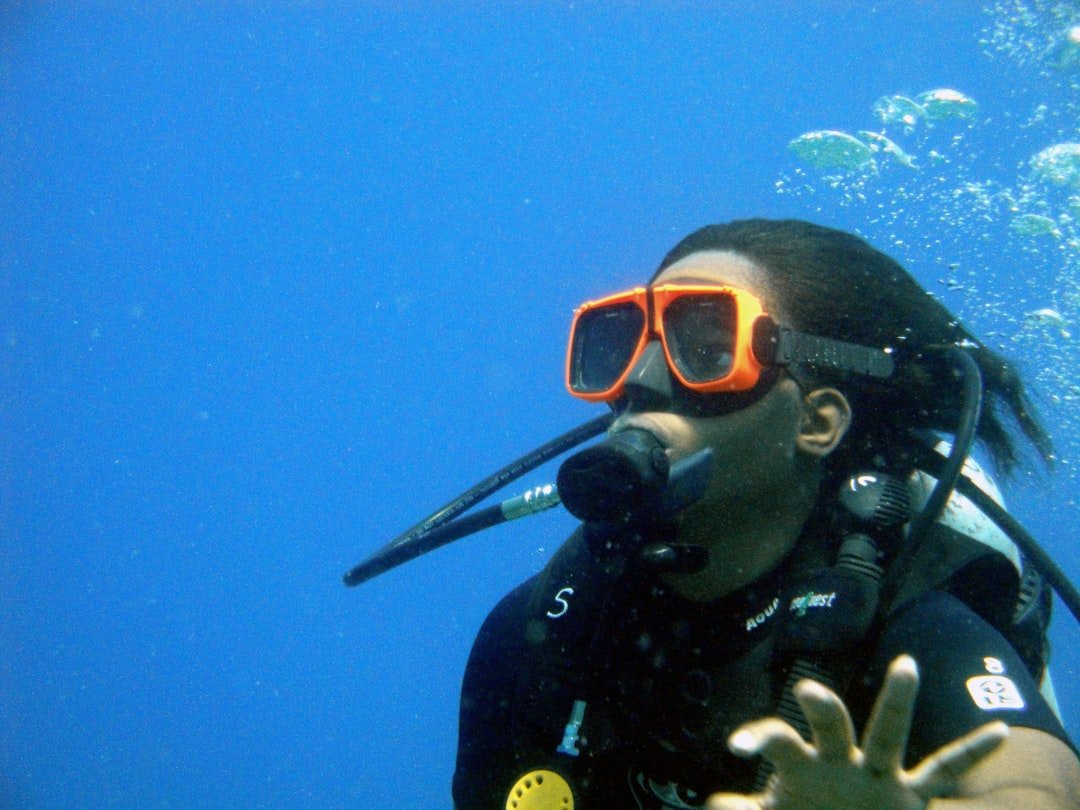
Pick up a mask and test its seal on your bare face before looking at price, lens shape, or color. Do that first. The fastest way to learn how to choose a scuba mask is to find one that stays lightly attached when you inhale through your nose, without the strap holding it in place. For first-time buyers, how to choose a scuba mask comes down to fit, comfort, vision, and whether the mask suits the diving you actually plan to do.
How to choose a scuba mask by fit
A mask that leaks is rarely fixed by tightening the strap. Too tight hurts. Excess pressure can distort the soft silicone skirt, create pressure points around your eyes, and actually make a poor seal worse. Your face shape decides more than the logo on the lens.
Start with a clean, dry face and dry mask skirt. Hold the mask gently against your face with no strap, look slightly upward, and inhale a little through your nose. A well-fitting mask should stay in place for a moment with light suction. It does not need to feel vacuum-sealed. If it falls immediately, pinches your nose, or leaves a gap at your upper lip, try another shape.
Use this shop test in order:
- Move hair away from your forehead and temples.
- Place the skirt evenly around your eyes and nose.
- Inhale gently through your nose with no strap.
- Smile, look left and right, then wrinkle your nose.
- Check for a comfortable seal in each position.
That last step matters. A mask can pass a still-face test and leak once you grin around a regulator mouthpiece or turn your head to check a buddy. If possible, wear the same style of mouthpiece during the fitting test. It is a useful check.
Facial hair changes the equation. A moustache often creates a small leak path under the nose pocket, although a little water is manageable once you learn mask clearing with a certified instructor. Some divers use a tiny amount of suitable silicone-based product on the moustache area, but test it carefully and keep products off the skirt itself because residue can affect the seal. Trimming is often simpler.
Choose the right skirt and frame
Most recreational masks use clear or black silicone skirts. Clear silicone lets more side light into the mask, which can feel open and less enclosed on a first ocean dive. Black silicone blocks peripheral light. It can reduce distraction for underwater photography or when looking into bright water, but some new divers find it more tunnel-like.
Look for soft silicone with a smooth, flexible edge. Softer is usually kinder. Very thin skirts can seal beautifully on some faces, while a slightly firmer skirt may hold its shape better on others. Neither construction is automatically better, so let the face test decide.
Framed masks have a rigid rim around the lens and are common, durable choices. Frameless masks bond the lens directly to the skirt, often making them lighter and easier to pack. Both work well. Check that the strap buckles feel solid and can be adjusted while you wear the mask, preferably with gloves if you expect cooler water.
| Mask type | Best for | Consider before buying |
|---|---|---|
| Single-lens | Open forward view and a simple feel | May not fit every nose and brow shape |
| Two-lens | Closer lens placement and prescription lens options | Center frame can be visible |
| Frameless | Travel and compact packing | Lens replacement may be less straightforward |
| Low-volume | Easy clearing and equalizing | Can feel closer to the face |
Lens shape, volume, and field of view
Low-volume masks hold less air space. This is helpful. You generally use less air to clear water from the mask and less air to equalize pressure as you descend, though proper equalization technique still needs to come from certified training. Never force an equalization if it hurts. Stop the descent and follow your instructor’s guidance; seek medical advice for ongoing ear, sinus, or pressure-related concerns.
A single large lens often gives an open view straight ahead. Two-lens masks can sit closer to your eyes, which may improve peripheral vision and reduce internal volume. Side windows add light but are not essential, and they add more seams and glass. Keep it simple if two masks seal equally well.
Try looking downward too. You need to see your chest area, inflator hose, and gauges without forcing an awkward head position. Lens tint also matters. Clear lenses are the normal all-round option, while mirrored or tinted lenses reduce light and make most sense in very bright conditions rather than darker water.
Details first-time buyers should check
A proper scuba mask has a nose pocket you can pinch through the silicone. Skip full-face snorkel masks for scuba use. They are not a substitute for scuba-specific equipment or training, and a standard mask lets you learn the core skills used in entry-level scuba courses.
Check the nose pocket before purchase. Your fingers should reach your nostrils easily enough to equalize, even with gloves on. A pocket that presses hard on the bridge or tip of your nose becomes irritating during a long dive. That discomfort adds up.
A purge valve sits at the bottom of some masks and can make water clearing feel easier for certain divers. It is optional. A plain mask has fewer parts, and every diver should learn to clear a mask without relying on a valve during training.
Prescription options deserve an early look if you use glasses. Do not wear glasses under a mask because the arms break the skirt seal. Many two-lens masks accept replaceable corrective lenses, while optical shops can sometimes fit custom lenses to selected masks. Bring your current prescription and confirm compatibility directly with the seller before ordering.
Set a sensible budget and buy carefully
A well-fitting entry-level mask is often a better buy than a premium model that leaks. Fit wins. Prices vary by region, but the cost usually rises with lens type, frame design, and prescription capability rather than a guaranteed improvement in sealing.
Before your first pool session or trip, rinse a new mask according to the manufacturer’s instructions and ask your instructor about preparing the lenses to reduce fogging. Avoid abrasive cleaners or improvised treatments that can damage coatings. Carry an approved defog product, rinse the mask in water before use, and avoid touching the inside lens after you treat it.
Finally, buy from a seller with a clear exchange policy when possible. Spend several minutes trying masks on. A good choice feels forgettable underwater: no painful pressure, no constant leaks, and no struggle to see your buddy or instruments.
Related posts
This article is for general informational purposes only and is not dive training or medical advice. Always train with a certified instructor and consult a doctor before diving if you have any health concerns. Gear specs, pricing, site conditions, and operator schedules change, so verify current details directly with the manufacturer or dive operator.
Disclosure: This post may contain affiliate links. If you click through and make a purchase, we may earn a commission at no extra cost to you. We only recommend gear we’ve researched or genuinely believe in.