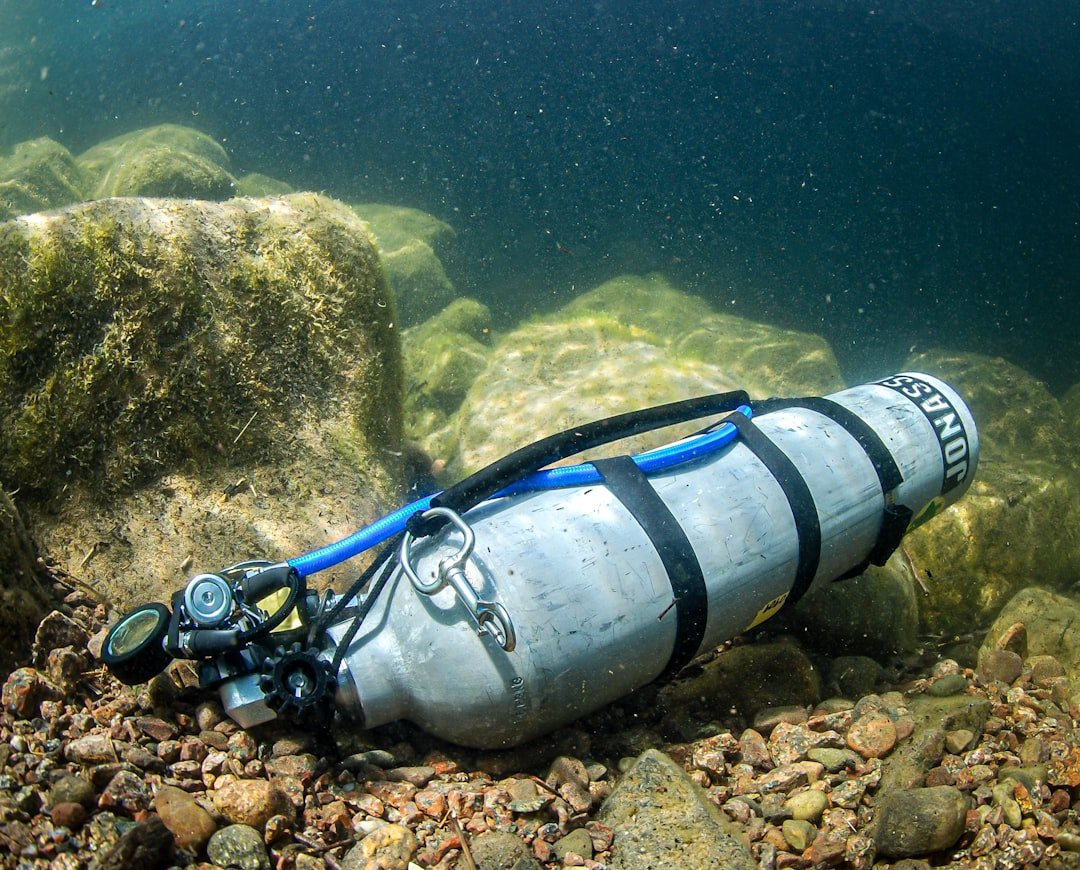
To plan a decompression dive, start by writing the complete dive profile and gas plan with the buddy who will dive it with you. Paper first. That is the safest starting point for how to plan a decompression dive because it exposes mismatched assumptions before you enter the water, when changing a depth, gas, or exit decision is easy.
Planned decompression diving is not simply a deeper recreational dive with a longer safety stop. It is a dive in which you intentionally exceed no-decompression limits and accept mandatory stops before surfacing. A direct ascent is no longer an option. That changes the importance of equipment redundancy, thermal protection, gas discipline, team communication, navigation, and contingency planning.
An Advanced Open Water certification, often called advanced certification, does not automatically prepare a diver for planned decompression. Course names and prerequisites differ. Get training from a certified instructor in the decompression procedures, gases, equipment configuration, and emergency protocols you intend to use before applying this guide on a real dive.
How to plan a decompression dive before leaving shore
Begin with a hard boundary for the dive. Choose a maximum depth, planned bottom time, route, turnaround point, maximum current or surface condition, and an objective reason to end the dive early. Keep it specific. “Explore the wreck” is not a plan, while “reach the engine room entrance, return at 18 minutes, and begin ascent if visibility drops below buddy-contact range” gives the team usable decisions.
Confirm that the site fits the team rather than forcing the team to fit the site. A deep wreck with overhead areas, current, boat traffic, or a long swim adds task loading that a simple quarry platform profile does not. Conditions matter. Review the forecast, tide or current information, entry and exit method, emergency oxygen availability, nearest practical medical support, and the operator’s local procedures.
Use the same planning software, tables, algorithm settings, units, and conservatism level across the team. Small differences matter. If one diver plans in metres and another reads feet, or one computer applies additional conservatism while the other does not, the team may arrive at the first stop with incompatible schedules and poor choices.
Build the plan around the most conservative diver and the actual task, not the best-case profile. Cold water, hard swimming, poor visibility, and anxiety can increase breathing rate and reduce usable capacity. Leave margin. A plan that works only if every diver is calm, warm, and perfectly on schedule is too tight.
Build the profile and decompression schedule
Set the planned maximum depth and bottom time, then generate the ascent schedule with tools you were trained to use. Verify the inputs twice. Include planned descent rate, actual working depth rather than an optimistic average, ascent rate, stop depths, stop times, breathing gases, and the final surface time.
A written slate is more reliable than memory. Put the key profile where each diver can read it underwater, and make sure it agrees with the primary computer or timer. Electronics can fail. A backup depth and timing method, plus a known backup schedule, gives the team a way to continue a controlled ascent after a device problem.
Do not treat a computer’s calculated ceiling as permission to extend bottom time until it appears. That is reactive diving. Decide in advance whether the team will follow the written plan exactly, whether limited contingency time is allowed, and what happens if anyone exceeds it. The answer should be agreed before descent.
Plan the ascent environment too. A 6-metre stop on a calm line is very different from one in surge beside a reef, under a live boat lane, or in blue water without a stable reference. Secure a suitable ascent line when practical, carry an appropriate delayed surface marker buoy if trained to deploy one, and make sure the surface cover understands your planned runtime.
Calculate gas conservatively
Gas planning is the part that deserves the slowest review. You need enough gas for the planned bottom portion, ascent, all mandatory stops, a realistic delay, and a problem that raises breathing rate. No universal reserve works for every diver. Cylinder size, water temperature, depth, workload, and personal surface air consumption rate all change the answer.
Use your measured consumption from similar dives when you have it. Start conservatively if you do not. A simple planning method uses the formula: gas needed equals respiratory minute volume multiplied by ambient pressure multiplied by time. At 30 metres of seawater, ambient pressure is about 4 ATA, so a diver breathing 20 litres per minute at the surface uses roughly 80 litres per minute at that depth.
For example, ten minutes at that depth requires about 800 litres before accounting for descent, ascent, stops, or stress. That number gets large fast. Calculate each segment separately, then add the totals. Plan the emergency ascent gas around the point at which a failure would be most demanding, which is often near maximum depth or before a gas switch.
| Planning segment | What to write down | Why it matters |
|---|---|---|
| Bottom portion | Depth, time, expected workload, gas used | Sets the main consumption estimate |
| Ascent and stops | Ascent rate, stop depths, stop times, breathing gas | Accounts for mandatory exposure and changing pressure |
| Emergency reserve | Failure point, stressed breathing rate, shared-gas assumptions | Tests whether the team can finish after a problem |
| Contingency delay | Extra stop time, current, missed waypoint, line issue | Provides margin when the dive is not perfect |
Verify gas switches by marking cylinders clearly, checking analysis records when using enriched air or oxygen, and confirming maximum operating depths under your training. Label it. Every switch needs a deliberate identification procedure, a regulator check, and team awareness. Breathing the wrong gas at depth can be fatal.
Set team roles and failure responses
Agree on one team plan, then assign responsibilities. One diver may navigate while another monitors time and gas, but every diver still tracks their own instruments and can describe the ascent schedule. Stay close. A decompression team that loses contact has a serious planning failure, even if each diver carries a computer.
Discuss the likely failures before the dive: loss of visibility, separation, regulator free-flow, loss of decompression gas, computer failure, delayed surface pickup, and a missed stop. Keep the responses simple. If the team has not rehearsed a response in controlled conditions, do not assume a detailed underwater plan will work under stress.
Establish turn pressures and turn times that trigger an immediate return, even if the objective is incomplete. Also define what “call the dive” means. Usually it means the whole team ends the dive together, follows the planned exit route, and begins the planned ascent rather than negotiating for extra exploration underwater.
Equipment should match the dive and your training. For many planned decompression dives, divers use two independent breathing sources, redundant buoyancy appropriate to the exposure suit and configuration, cutting devices, a backup timing and depth method, and a means to signal the surface. Configuration varies. Ask a qualified instructor to evaluate unfamiliar equipment before a demanding dive.
Run the final pre-dive check
Use a calm, repeatable sequence at the water’s edge. Read the written profile aloud, confirm maximum depth and runtime, compare each diver’s gas pressures and gas labels, test regulators and buoyancy equipment, confirm hand signals, and repeat the abort plan. Slow down. The final check is where a wrong cylinder, an unreadable slate, or a forgotten backup light is easiest to catch.
During the dive, compare actual depth, time, gas, and conditions against the plan early and often. Do not wait until low gas or a ceiling alarm forces the discussion. If the dive drifts outside its planned limits, end the bottom portion and move into the conservative ascent procedure taught in your training.
After surfacing, record the real profile, gas use, water temperature, current, and any confusion that appeared. Debrief honestly. That log helps refine future gas estimates and reveals whether the team’s procedures were workable or merely looked good on a slate.
Frequently asked questions
Can advanced certified divers plan decompression dives?
Advanced certified divers can begin learning the skills that support later technical training, but the certification itself usually is not planned-decompression training. Check your agency’s standards. Take a dedicated course with a certified instructor before conducting a planned decompression dive.
How much extra gas should I carry?
There is no single cylinder pressure or fixed reserve that fits every dive. Plan enough for the worst credible failure at the deepest practical point, including the ascent and stops. Use measured consumption rates, equipment capacity, and procedures taught in formal training.
Can I rely on one dive computer?
No. Computers are valuable tools, but batteries, screens, buttons, and algorithms can create problems. Carry a backup method that you have practiced using. Your team should also know the planned schedule independent of one diver’s device.
What should I do if I miss a decompression stop?
Follow the missed-stop procedure taught by your training agency and dive plan, then seek professional medical advice if there are any symptoms or concerns. Do not improvise underwater. Any suspected decompression illness needs prompt evaluation by an appropriate medical service or diving medicine resource.
Related posts
This article is for general informational purposes only and is not dive training or medical advice. Always train with a certified instructor and consult a doctor before diving if you have any health concerns. Gear specs, pricing, site conditions, and operator schedules change, so verify current details directly with the manufacturer or dive operator.
Disclosure: This post may contain affiliate links. If you click through and make a purchase, we may earn a commission at no extra cost to you. We only recommend gear we’ve researched or genuinely believe in.