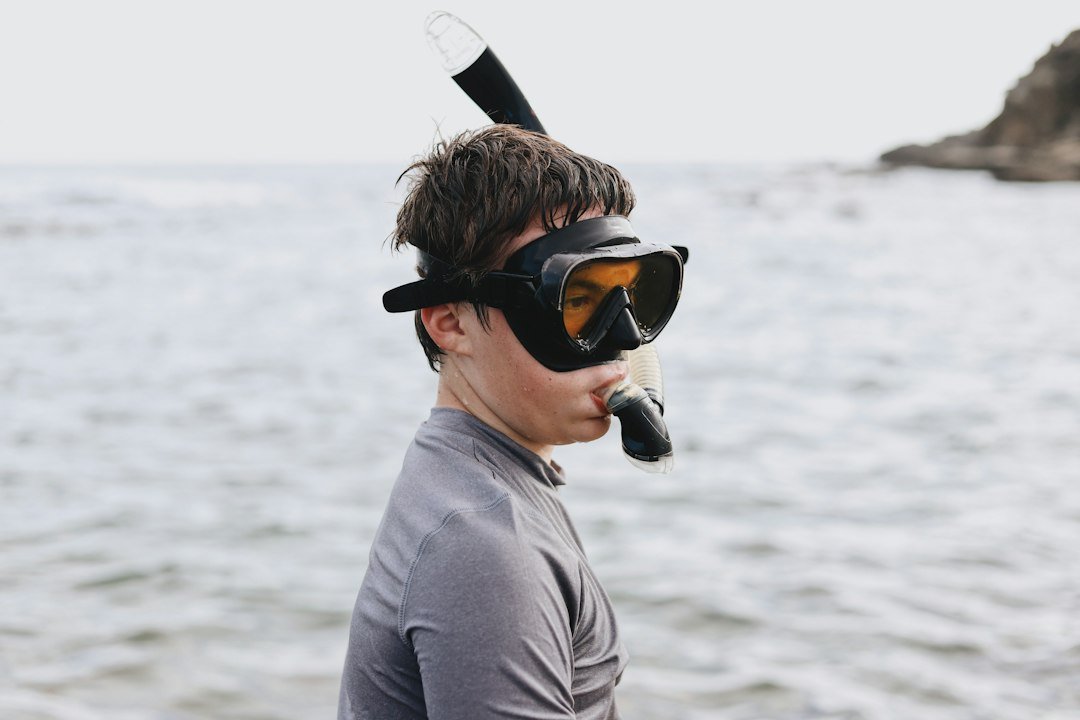
You are standing in a shop aisle, holding a cheap mask-and-snorkel set while wondering whether it will leak on your first beach day. To learn how to choose a snorkel mask combo for beginners, start with mask fit, then check lens material and snorkel design. Fit comes first. A modestly priced mask that seals comfortably is usually a better buy than a premium combo that leaves water around your eyes.
A snorkel mask combo normally means a diving mask paired with a snorkel, though some packages also include fins. The mask matters most. It creates an air space in front of your eyes so you can see underwater, and it must seal against your face without painful pressure. A snorkel only works well when the mouthpiece feels natural and the tube suits the conditions where you plan to snorkel.
Do not confuse a snorkel mask with a full-face snorkel mask. They work differently. A conventional two-piece setup covers your eyes and nose, with a separate snorkel mouthpiece, and it is the style used in entry-level scuba courses because you can clear water, equalize your ears, and switch to a regulator if you later learn to dive. Keep it simple.
How to choose a snorkel mask combo for beginners
Choose the mask before judging the snorkel, color, or package price. Put the mask against your face without using the strap, breathe in gently through your nose, and release your hands. It should stay in place for several seconds without hard suction or obvious gaps. That quick test is useful. It does not guarantee a perfect seal in moving water, but it catches many poor fits before you spend money.
Next, look in a mirror or ask a shop employee to check the skirt edge. Hair, hood material, and even a deep smile line can interrupt a seal. A mustache can also cause small leaks. Trimming is a personal choice, but a little mask-safe silicone grease is sometimes used by snorkelers with facial hair. Do not smear sunscreen on the skirt. Oils can make the seal slide and may damage some materials over time.
Keep the strap loose. A mask strap holds a good seal in place; it cannot turn a bad fit into a good one. Overtightening often folds the silicone skirt, leaves a headache, and pulls hair. Once you are in the water, adjust the strap only one small notch at a time.
Start with a mask that fits your face
A quality recreational snorkel mask has a soft silicone skirt, a nose pocket you can pinch easily, and a lens made of tempered glass. Silicone stays flexible better than basic PVC on many masks and usually seals more comfortably. Tempered glass matters. It resists scratching better than plastic and is designed for use underwater, although it can still break if dropped or badly damaged.
Single-lens and dual-lens masks can both work well. A single-lens mask has one broad viewing panel and often feels open across the front. A dual-lens mask uses two separate panels and may sit closer to the face, which some people find easier to clear. Neither shape wins for everybody. Try both if the shop allows it.
Low internal volume is useful, especially if you may take scuba lessons later. Less air space usually means less water to clear if the mask floods and can make equalizing the mask easier during a descent. The trade-off is personal. Some low-volume masks feel closer to the eyes, while a larger mask can feel less confined.
Look for a wide, split strap or a similarly stable strap design that spreads pressure across the back of your head. This is a comfort detail. Buckles should adjust smoothly and feel secure where they attach to the skirt or frame. Avoid forcing a stiff buckle in the shop, because broken buckles are inconvenient and can end a water day early.
| Part | Good beginner choice | What to avoid |
|---|---|---|
| Mask skirt | Soft silicone with an even seal | Hard plastic or visible gaps |
| Lens | Tempered glass | Thin plastic on a diving-style mask |
| Mask volume | Low to medium, if comfortable | Very bulky fit that presses your face |
| Snorkel tube | Simple J tube or dry-top model | Overly rigid tube or awkward angle |
| Mouthpiece | Soft silicone that does not strain jaws | Large, hard mouthpiece you must bite |
Pick a snorkel that matches your water
There are three common snorkel styles: basic open-top, splash-guard, and dry-top. An open-top snorkel is a plain tube. It is simple, easy to clear with practice, and often the least expensive option. Small waves can send water inside. That is normal.
A splash-guard snorkel has a top shaped to reduce water entering when surface chop breaks over it. It helps in mild waves, but it does not fully block water. A dry-top snorkel uses a float valve near the top that closes when submerged. Many first-time snorkelers like this because it reduces surprise mouthfuls when they duck below the surface.
Dry tops have limits. The valve can feel restrictive to some users, and sand, salt crystals, or poor maintenance can affect how it moves. Test it in shallow water before relying on it during a long swim. If you choose one, rinse it thoroughly after every saltwater session.
A purge valve at the bottom of the snorkel can make clearing easier. It lets small amounts of water drain when you exhale instead of requiring a strong blast through the entire tube. It is handy. Still, practice clearing the snorkel without depending entirely on the valve, because any valve can leak or stick.
Check the mouthpiece carefully. It should rest between your teeth with gentle contact, not demand a hard bite to stay put. Spend two minutes wearing it in the shop if possible. Jaw ache after ten minutes is a useful warning sign, even when the snorkel looks excellent on the shelf.
Understand what combo prices usually include
Budget snorkel mask combos can be perfectly reasonable for occasional warm-water use, but inspect the materials rather than buying by packaging. Very cheap sets may use stiff skirts, plastic lenses, or thin straps that stretch quickly. Price varies by region. A better mask often costs more than a basic package because the silicone, tempered glass, buckles, and quality control are better.
For a beginner planning several trips or an entry-level scuba course, buying a mask separately can make sense. You can pair a well-fitting mask with a basic snorkel and spend less on gimmicks. The best combination is often boring. It seals, clears, and stays comfortable for an hour.
Consider prescription options if you normally wear glasses. A standard mask cannot be worn over most eyeglasses because the arms break the skirt seal. Some dual-lens masks accept corrective lens inserts, while other brands offer masks with fixed prescription lenses. Read the manufacturer’s compatibility information before ordering. Do not assume lenses fit across brands.
Mask color affects brightness more than performance. A clear skirt lets in more side light and can feel less enclosed. A black or dark skirt reduces reflections and can suit sunny water, but some new snorkelers find it more confining. Choose the seal first. Color is secondary.
Test the combo before your trip
Do a controlled shallow-water test before you board a boat or swim far from shore. Use a pool, calm beach entry, or other supervised shallow setting where you can stand up easily. Stay near shore. If you are new to snorkeling, go with a trained guide, instructor, or experienced buddy who understands the local conditions.
- Wash the new mask with mild soap and water, then rinse it well. Follow the manufacturer’s instructions if they differ.
- Fit the mask with dry hair brushed away from the skirt. Set the strap comfortably loose.
- Float face-down in shallow water and breathe through the snorkel for a few minutes. Notice any jaw tension.
- Let a small amount of water into the mask, look slightly upward, and exhale through your nose to practice clearing it.
- Submerge the snorkel tip briefly, then return to the surface and clear the tube with a firm exhale. Practice only where you can stand.
Mask clearing is a basic skill, not a trick to learn under stress offshore. If you cannot clear a mask comfortably, stop and practice in shallower water with qualified instruction. Never keep snorkeling through panic, strong current, fatigue, or repeated water inhalation. Get out, rest, and reassess.
Skip common first-purchase mistakes
Do not buy a mask solely because it has a wide panoramic lens. Side windows can add peripheral light, but they also add more frame and more seals. A conventional single- or dual-lens mask is easier to compare and often packs smaller. The seal decides everything.
Avoid buying one generic combo for a whole family unless every person tries it on. Face shape varies more than most people expect. A mask that seals on one person can leak badly on another, even when both use the same strap setting. Children also need gear sized for them, not an adult mask pulled tight.
Do not leave a new mask in the sun inside a hot car. Heat can warp plastic parts and degrade silicone over time. After use, rinse the mask and snorkel in fresh water, dry them out of direct sunlight, and store them in a protective case or mesh bag. Keep the lens protected.
Fogging is another common complaint. New masks sometimes retain a thin manufacturing film, and face oils add to it. Clean the lens according to the maker’s instructions, use a mask defog made for dive masks, then rinse lightly before entering the water. Avoid toothpaste or abrasive home remedies unless the manufacturer specifically permits them. Lens coatings vary.
FAQ
Should beginners buy a full-face snorkel mask?
A conventional mask and separate snorkel is usually the more versatile beginner choice, especially for anyone considering scuba training later. You can pinch your nose to equalize, clear the mask more directly, and use skills taught in standard entry-level diving courses. Full-face designs have their own instructions and limitations. Follow the maker’s guidance and use them only in suitable calm-water conditions.
Is a dry snorkel worth the extra cost?
For calm, casual surface snorkeling, an open-top or splash-guard snorkel is often enough. A dry-top can be useful in choppy water or for people who dislike water entering the tube when they dip below the surface. Try the breathing feel first. A dry top that feels restrictive is not a good match.
How tight should a snorkel mask be?
It should be snug enough to stay positioned, but not tight enough to leave deep marks or cause pain. Start looser than you think. If water leaks in, check hair and skirt placement before tightening the strap.
Can I use a snorkel mask for scuba diving?
Many tempered-glass, silicone-skirt masks are suitable for both snorkeling and recreational scuba, but confirm the manufacturer’s intended use. You will need certified scuba training before diving with tanks. Gear does not replace training.
What is the easiest way to know a mask leaks?
Test it in shallow water before travel. A small occasional seep may come from hair or an uneven skirt, while repeated flooding usually means poor fit, an overtight strap, or a damaged seal. Check the skirt edge and lens frame for cracks before using it again.
A beginner snorkel mask combo should feel almost forgettable once you are floating. You want clear vision, relaxed breathing, and no need to keep adjusting the strap. Buy the mask that seals best on your face, add a snorkel you can breathe through comfortably, and test both in easy water before your trip.
Related posts
This article is for general informational purposes only and is not dive training or medical advice. Always train with a certified instructor and consult a doctor before diving if you have any health concerns. Gear specs, pricing, site conditions, and operator schedules change, so verify current details directly with the manufacturer or dive operator.
Disclosure: This post may contain affiliate links. If you click through and make a purchase, we may earn a commission at no extra cost to you. We only recommend gear we’ve researched or genuinely believe in.