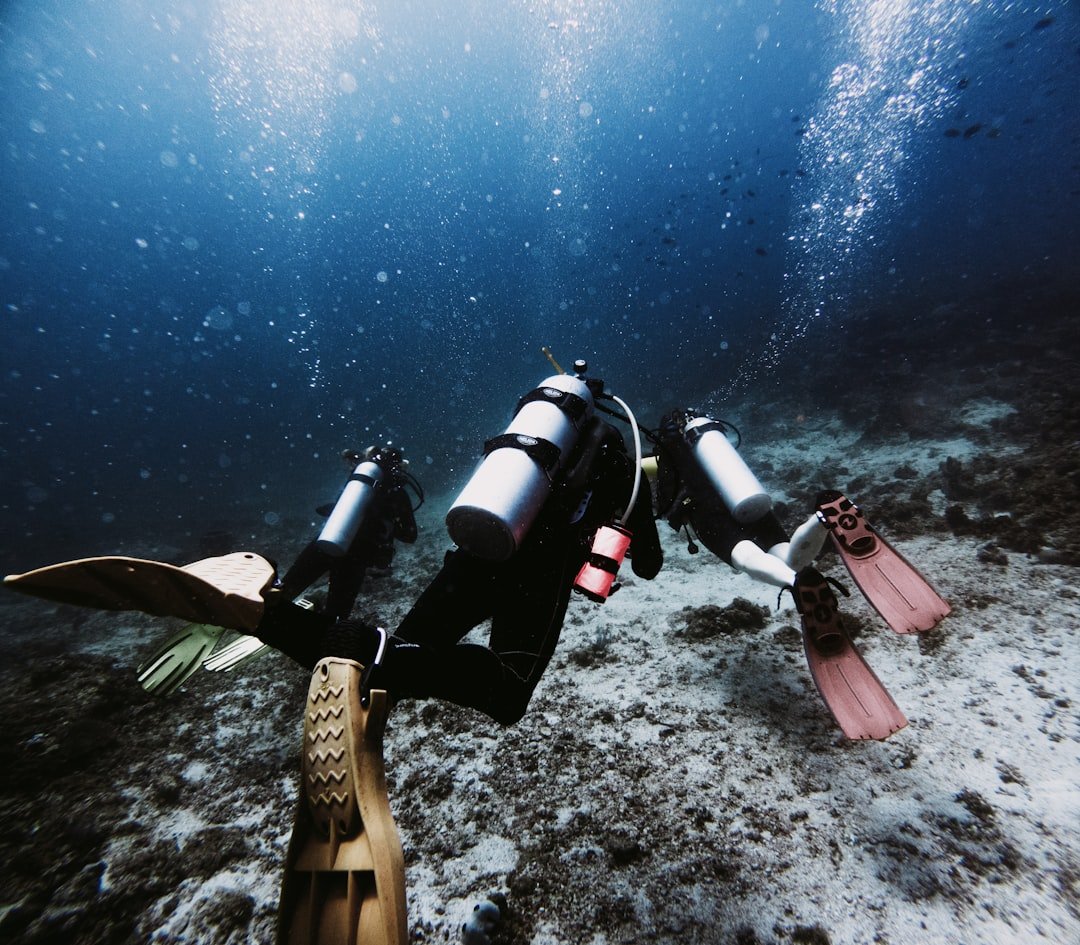
You are at the airport check-in desk, trying to keep a regulator, wetsuit, mask, fins, and buoyancy gear inside one checked bag without paying an overweight charge. In that everyday situation, jacket BCD vs backplate and wing usually comes down to simplicity versus modularity. For the most common travel diver, a lightweight jacket BCD is the better choice. It is easier to pack, familiar to use, and generally needs no adjustment after a long flight. A backplate and wing can be an excellent travel setup, but it makes more sense for divers who already know they prefer its fit, trim, and modular approach.
That recommendation assumes recreational diving on holiday, often in warm water, with a single cylinder and standard rental weights. If that describes your trips, buy the lightest jacket BCD that fits you well and has enough lift for your normal exposure protection. Do not buy based on dry weight alone. A BCD that is light in a catalog but awkward on your body is not a travel upgrade.
Why a jacket BCD is better for most travel divers
A travel-oriented jacket BCD is a complete, self-contained unit. You take it out of the bag, attach it to the cylinder, route the inflator hose, and do your normal buddy and function checks. That familiarity matters when you arrive tired, conditions are moving quickly, or the operator has a short boat departure window.
Many lightweight jackets fold reasonably well around a regulator bag or wetsuit. Their soft back padding and flexible bladder material have no rigid plate edges to work around. Some models are built specifically to reduce packed weight, often using a lighter backpack, simpler harness hardware, and fewer bulky pockets. Manufacturer weights and included accessories vary, so check the actual listed size and configuration before buying.
Jacket BCDs also tend to feel intuitive at the surface. The air cell wraps around the torso, which commonly helps a newer or occasional diver feel upright while waiting for pickup, listening to a briefing, or handling a surface swim. That does not make them automatically safer. Good weighting, calm body position, and training matter far more. Still, the familiar surface posture is useful for the typical vacation diver.
There is another practical point. Most jacket BCDs include usable pockets and integrated weight pockets as standard. On a resort trip, those pockets can hold a delayed surface marker buoy, slate, reef hook where locally appropriate, or a small backup mask. A backplate-and-wing setup can carry the same tools, but you usually add accessories such as trim pockets, a waist pouch, or bolt-on pockets yourself.
For a diver who rents gear occasionally, a jacket also creates fewer surprises. The overall layout resembles the BCDs supplied by many recreational operators. Your own unit will still fit and behave differently, but the controls, tank band, and weight system are usually straightforward.
When a backplate and wing wins for travel
An aluminum backplate and wing is the better travel choice if you want one system that can be tuned for many kinds of diving. The plate is a rigid frame against your back. The wing is the separate air bladder behind the cylinder. A webbing harness holds the assembly in place. You choose components based on the cylinders, exposure suit, weights, and accessories you actually use.
The key word is aluminum. A steel plate is popular with divers who need ballast in cold water, but it adds several pounds to checked luggage before the wing, harness, and hardware go in the bag. It can still be the right choice if it is your only setup and you need the ballast at home, but it is rarely the weight-conscious travel answer. Carbon-fiber plates are lighter still, though they are generally more expensive and deserve careful inspection for the manufacturer-approved hardware and use case.
An aluminum plate and a compact single-tank wing can pack flat. Remove or fold the webbing, place the plate along the back panel of the suitcase, and protect nearby fabric from metal edges and bolts. That can be tidier than packing a bulky padded jacket. The complete system may also be competitively light, especially when compared with a heavily padded jacket BCD with large integrated pockets.
The trade-off is setup and fit. A traditional one-piece webbing harness needs to be cut or adjusted to your body. Once it is dialed in, it is secure and consistent. Before then, it can feel restrictive or place D-rings and the crotch strap poorly. Adjustable harness versions make sharing or changing fit easier, though they add buckles and possible failure points. Neither arrangement is inherently wrong. They simply suit different priorities.
A backplate and wing also asks you to think through weighting. The plate contributes fixed ballast, while trim pockets and a weight belt can place the remaining lead in different spots. That is useful for horizontal trim, but it is not a shortcut to good buoyancy. Have a certified instructor help you assess weighting and configuration in controlled conditions if you are new to this style of system. Do not first experiment with a new harness, wing, or weight distribution on a current-prone dive trip.
Jacket BCD vs backplate and wing for airline limits
Airline baggage limits are where marketing claims can become misleading. A BCD listed as “travel” might be light by itself but still occupy a lot of volume. A backplate system might look minimal yet become heavy after you add a plate, wing, harness, cam bands, weight pockets, and accessories. Weigh the entire dive kit at home in the bag you plan to use.
For one-bag travel, prioritize items that are hard or expensive to rent well: mask, computer, regulator, exposure protection if you need a reliable fit, and perhaps fins. BCDs are often available to rent at destination, so some divers choose to leave theirs at home when baggage limits are tight. Rental quality and sizing are inconsistent, however. If a well-fitting BCD makes you more comfortable and helps you manage your equipment calmly, bringing it may be worth the space.
For a jacket BCD, look for a model with a low stated weight, minimal padding, compact inflator assembly, and enough but not excessive lift. Very high lift capacity can mean a larger bladder that packs poorly and holds more air around the body. For an aluminum backplate and wing, choose a single-cylinder wing sized for your actual diving. An oversized wing can taco around the tank, trap air, and make buoyancy control less predictable.
Do not put cylinders, lead weights, or tank valves in your luggage. Those are supplied locally. Check the airline’s current baggage and sporting-equipment policy before booking because allowances and charges vary by route and fare class. Also check whether your dive operator provides DIN or yoke valves, weight belts, integrated-weight options, and the cylinder sizes you expect. A configuration that is perfect with an aluminum 80 may need different weighting with a steel cylinder.
Comfort underwater and at the surface
Underwater, a well-adjusted backplate and wing often gives a clean, stable cylinder position. The rigid plate spreads load across the back, and the wing places buoyancy behind the diver rather than around the ribs. Many divers prefer that feeling for horizontal swimming and streamlined positioning. It is especially appealing when carrying a camera, using a long hose, or adding accessories in a deliberate configuration.
A good jacket BCD can also trim well. Fit and tank placement make a major difference. Move the cylinder too high, use too much weight, or leave loose shoulder straps, and any BCD can feel unbalanced. The idea that every jacket forces a diver upright underwater is too broad. Some jackets do encourage a more head-up position than a well-tuned back-inflation setup, but body shape, breathing pattern, finning, and cylinder placement all affect the result.
At the surface, jacket BCDs usually feel more naturally upright to many recreational divers. Backplate-and-wing systems can tip a diver forward if the wing is fully inflated and the diver stays still. Leaning back slightly, keeping the cylinder behind you, and using proper weighting usually improves the position. Practice this in calm, shallow water first. If surface confidence is a concern, particularly in choppy pickup areas, the jacket’s familiar feel is a real advantage.
Fit details that matter more than the label
Try either style with the exposure suit you will actually travel with. A BCD that fits over a rash guard may pinch over a 3 mm wetsuit. Check that you can reach the oral inflator, dump valves, releases, and tank valve without straining. Inflate it fully on land to make sure the bladder does not squeeze your ribs or interfere with breathing.
With a jacket BCD, inspect the integrated weight-release handles. They should be easy to identify and pull with either hand, yet secure when you walk or climb a ladder. Confirm the pockets accept the type of weights commonly issued at your destinations. Some systems work best with soft weights, while many operators primarily have hard lead blocks.
With a backplate and wing, check webbing length, shoulder comfort, crotch-strap placement, cam-band condition, and bolt tightness. A loose cam band can let a cylinder shift during a dive. That is a preventable equipment problem, but only if you assemble and check the system carefully every time. Follow the manufacturer’s instructions and get hands-on guidance from a certified instructor or experienced configuration mentor before changing core setup choices.
Cost, maintenance, and long-term ownership
Travel jacket BCDs range widely in price, as do backplate-and-wing components. A jacket is usually purchased as one product with the inflator, bladder, harness, and weight system included. A backplate system can start simply, then gain cost through a premium wing, adjustable harness, pockets, single-tank adapter, and specialty hardware. Prices vary by region and change frequently, so verify current manufacturer specifications and dealer pricing.
Modularity is the strongest long-term argument for a backplate and wing. A worn harness can be replaced without replacing the bladder. You can swap to a larger wing if your diving changes, or switch plates for travel and local cold-water use. That flexibility is valuable if you expect your diving to develop beyond standard resort diving.
A jacket BCD is simpler ownership for people who do not want to configure parts. Rinse it thoroughly after saltwater diving, operate the inflator and dumps during rinsing, dry it out of direct sun, and store it partially inflated so the bladder walls are less likely to stick together. Have any required servicing done by a qualified technician according to the manufacturer’s guidance. The same basic care applies to wings and inflators.
The practical recommendation
Choose a lightweight jacket BCD if you mainly take resort trips, dive single cylinders, want integrated weight pockets and storage, and prefer equipment that works with minimal adjustment. That is the best answer for most traveling recreational divers. Pick a model after an in-water fit test if possible, not after comparing dry weights online.
Choose an aluminum backplate and wing if you already value a fixed, streamlined harness, want to fine-tune trim and accessory placement, or expect to use the same system across warm-water trips and more demanding local diving. It is also a strong choice for travelers who pack carefully and do not mind assembling their gear. Start simple: one aluminum plate, a correctly sized single-tank wing, basic webbing, and only the accessories you will truly use.
Whichever route you choose, do a buoyancy check at the destination with the local cylinder, suit, and water type. Fresh versus salt water, aluminum versus steel cylinders, and suit thickness can all change the lead you need. Bring only enough weight to hold a controlled stop with a near-empty cylinder under the conditions taught in your training. Ask a certified instructor for help if you are unsure.
Frequently asked questions
Is a backplate and wing lighter than a jacket BCD?
Sometimes. An aluminum backplate with a compact wing can be very competitive in packed weight, but a steel plate is usually heavier. Some travel jacket BCDs are lighter still. Compare the complete configured system, including pockets, cambands, and hardware, rather than one component.
Can beginners use a backplate and wing?
Yes, provided they are properly introduced to the setup and practice with it before a trip. A backplate and wing is equipment, not an advanced-diver badge. New divers may find a simple jacket BCD easier at first because its layout is familiar and it commonly feels more upright on the surface.
Do I need integrated weights for travel diving?
No. A weight belt works with either system and is easy to replace at a destination. Integrated weights can be more comfortable and keep lead off the hips, but they add bulk and require you to know the release system well. Use the arrangement you have trained with and can operate reliably.
Which setup is better for warm-water liveaboards?
A lightweight jacket BCD is the safer default recommendation for most guests because it is simple to handle through repeated dives and familiar on a busy deck. An aluminum backplate and wing is better if it is already your practiced personal configuration. A liveaboard is not the place to learn a new harness or solve weighting issues between dives.
Related posts
This article is for general informational purposes only and is not dive training or medical advice. Always train with a certified instructor and consult a doctor before diving if you have any health concerns. Gear specs, pricing, site conditions, and operator schedules change, so verify current details directly with the manufacturer or dive operator.
Disclosure: This post may contain affiliate links. If you click through and make a purchase, we may earn a commission at no extra cost to you. We only recommend gear we’ve researched or genuinely believe in.