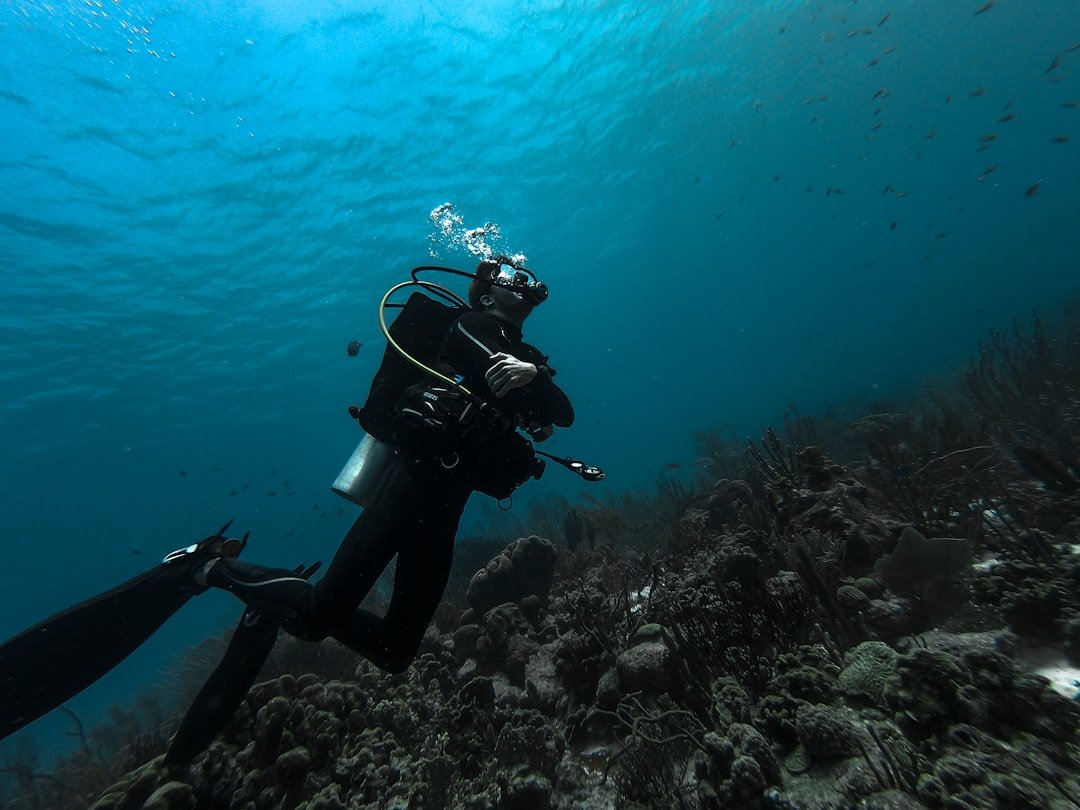
Call the two closest dive centers today and ask who will teach your course, how many students are booked, and which dates include the open-water dives. Do that first. The practical PADI vs SSI certification differences matter less than the instructor, conditions, and schedule you actually receive, but PADI vs SSI certification differences can affect where you train and how easily you arrange the course around a trip.
My recommendation for most new divers
Choose PADI if the local options look equally good. That is my clear recommendation for the common first-time diver who wants a certification with broad name recognition, lots of available training locations, and the freedom to find an instructor or dive shop while travelling. It is the safer default. PADI has a very large global network, so it is often easier to locate a course, continue education later, or complete a referral when your home area and holiday destination are different.
Choose SSI instead when the better local course is SSI. Simple. A patient SSI instructor with a small class, well-maintained rental equipment, sensible dive dates, and a convenient confined-water site is a better choice than a rushed PADI course with a crowded schedule. Agency branding does not make someone comfortable underwater. Good coaching, enough time to repeat skills, and suitable conditions do.
Both PADI Open Water Diver and SSI Open Water Diver are widely accepted entry-level recreational qualifications. Most dive operators care that you have a recognized certification, meet their site requirements, and can dive within your training and current comfort level. Bring proof of certification. They may also ask about your last dive, require a refresher after a long break, or set stricter limits for local currents, wrecks, or deeper sites.
PADI vs SSI certification differences that affect your choice
| Comparison point | PADI | SSI | What it means for a beginner |
|---|---|---|---|
| Where you can train | Courses are offered through many dive shops and independent instructors. | Courses are generally delivered through SSI-affiliated dive centers and their professionals. | PADI can be easier to find when moving, travelling, or arranging a referral. |
| Learning materials | Digital learning is commonly purchased as part of a course package or separately, depending on the provider. | Digital learning is commonly managed through SSI’s app and center-based course system. | Ask what materials, certification processing, and logbook access are included before paying. |
| Course structure | Open Water courses normally combine knowledge development, confined-water practice, and open-water training dives. | The same basic training components apply at the Open Water level. | The actual timetable, group size, and instructor attention matter more than the logo. |
| Travel recognition | Recognized by recreational operators around the world. | Recognized by recreational operators around the world. | Either card will normally work for standard recreational diving within your qualification. |
| Typical package value | Price varies by region, instructor, rental gear, boat fees, and digital materials. | Packages can be competitive where an SSI center runs frequent local courses. | Compare the full checkout price, not the headline course price. |
The agencies teach the same broad beginner goal: plan and conduct recreational dives with a properly trained buddy, within the limits of your certification and environmental conditions. Depth limits and junior-program rules can differ by age, local law, and course version. Check the current standards. For an adult Open Water course, both commonly lead to a maximum training depth around 18 metres or 60 feet, but your instructor and operator may impose a shallower limit.
PADI’s independent-instructor model can be useful. If you live far from a full-service dive center, an instructor may be able to organize classroom work, pool sessions, and local open-water dives through different facilities. That flexibility helps. It can also mean you need to ask more questions about who supplies equipment, where skills are practised, and what happens if weather cancels an open-water day.
SSI’s center-based approach can feel more integrated. Many SSI centers handle digital materials, equipment fitting, pool time, boat logistics, and post-course diving in one place, which makes the process straightforward for a nervous beginner. Convenience counts. The trade-off is that your experience depends heavily on the individual center’s calendar and local setup, so visit or call before committing.
What the course experience is really like
Do not expect either agency’s entry-level card to make you an experienced diver. It will not. A proper beginner course introduces equipment use, buoyancy basics, problem management, dive planning, and supervised open-water practice, but comfort develops through additional dives in manageable conditions after certification. Your first ten to twenty dives often teach you more about trim, air use, finning, and task loading than you realized during the course.
Ask whether the course runs over consecutive days or several weekends. A fast holiday format can work when you have prepared well and the instructor has enough time for each student, while a slower local format gives some people more space to absorb skills and return rested for the next session. Neither format is automatically better. Pick the one that leaves room to learn rather than merely finish.
Rental gear quality changes the day. A mask that leaks because it does not fit, a wetsuit that leaves you cold, or a BCD adjusted poorly can distract you during every exercise. Try the mask on dry. Ask whether you can spend a few minutes checking fit before the water session and whether the center has different sizes available.
Also ask about the student-to-instructor ratio and the role of assistants. A small group does not guarantee great teaching, but it generally gives more chances to repeat mask clearing, buoyancy work, and emergency procedures without feeling rushed. More practice helps. If an instructor dismisses reasonable questions about schedule, water temperature, gear, or group size, choose another provider.
How to choose the right course near you
Make your decision after comparing the complete course, not an agency badge or a social-media discount. Get each provider to explain the total price in writing, including digital materials, certification processing, equipment rental, pool entry, quarry or boat fees, and any separate referral or checkout-dive charges. Hidden add-ons are frustrating. Policies and prices change, so confirm them directly with the provider.
Then ask who teaches your specific dates. An excellent instructor explains why a skill matters, demonstrates it clearly, watches each student closely, and is willing to slow down when someone needs another attempt. That is the standard. No agency manual can compensate for poor briefing, inadequate supervision, or pressure to continue when a student is cold, anxious, or unwell.
- Ask how many students will be in your group.
- Ask where confined-water and open-water sessions happen.
- Ask what happens if weather, illness, or scheduling interrupts the course.
- Ask whether you can do a referral if you need to finish elsewhere.
- Ask for the all-in cost before placing a deposit.
If you already know where you will dive most often, let that guide you. Local cold water, low visibility, tides, strong current, or shore entries can make a course more demanding than a calm tropical checkout dive, yet local training may prepare you better for your normal conditions. Conditions matter. A certified instructor should decide whether the site and conditions are appropriate for your training day.
When SSI is the better choice
Pick SSI when its local center gives you a visibly better learning environment. That can mean a smaller class, a better pool schedule, more included rental gear, easier access to local diving after the course, or an instructor who takes time to answer your questions without rushing toward a sale. Choose the better course. Those are tangible advantages that will affect every session you take.
SSI may also suit you if that center is the active diving community near home. Joining the shop’s regular shore dives or boat trips after certification can build experience steadily, and familiar staff can help with weighting, exposure protection, and basic equipment setup as you learn what fits. Keep perspective. Their advice is useful, but only purchase equipment after trying options where possible and considering your own diving conditions.
When PADI is the better choice
Pick PADI when you need scheduling flexibility or expect to train in one location and finish in another. Its widespread presence can make referrals and later course shopping simpler, particularly for travellers or people whose work moves them between cities. Verify arrangements first. Referral paperwork, course-credit validity, and remaining requirements should be confirmed by both providers before you pay for any portion.
PADI is also the straightforward choice when both local programs are otherwise equal. You are not buying a superior level of safety. You are choosing a familiar certification system with broad availability, then putting your energy into learning the skills properly and gaining experience gradually with reputable operators.
FAQ
Are PADI and SSI certifications accepted worldwide?
For ordinary recreational diving, both are widely recognized by dive operators around the world. The card is only one part of the check-in process. Operators can still require a recent-dive refresher, a guided dive, proof of experience, or a more advanced qualification for deeper, overhead, technical, or challenging local dives.
Is PADI easier than SSI?
Neither should be chosen because you expect an easier course. Both require real in-water skills and knowledge development. The difficulty you feel usually comes from water temperature, visibility, equipment fit, class pace, and your instructor’s teaching style. Take your time. A responsible instructor will keep training within appropriate conditions and standards.
Can I start with PADI and finish with SSI?
Sometimes a referral can allow you to complete portions of training with another provider, but do not assume every course transfer will be accepted. Get written confirmation before beginning. Ask what records you need, which skills or dives remain, whether there is a time limit, and what the receiving instructor will charge.
Does a PADI or SSI certification expire?
Entry-level recreational certifications are generally issued without a routine expiry date, but long gaps away from diving reduce comfort and skill recall. A refresher or supervised check dive is sensible after time out of the water. Some operators require it. Follow the operator’s policy and tell them honestly when you last dived.
Which agency should I choose for advanced courses later?
You can usually continue recreational education with either agency after earning an entry-level card from the other. Course names and credit requirements vary. Review the current prerequisites before booking, especially for rescue training, specialties, deeper diving, or any program that requires logged dives and recent practice.
Related posts
This article is for general informational purposes only and is not dive training or medical advice. Always train with a certified instructor and consult a doctor before diving if you have any health concerns. Gear specs, pricing, site conditions, and operator schedules change, so verify current details directly with the manufacturer or dive operator.
Disclosure: This post may contain affiliate links. If you click through and make a purchase, we may earn a commission at no extra cost to you. We only recommend gear we’ve researched or genuinely believe in.