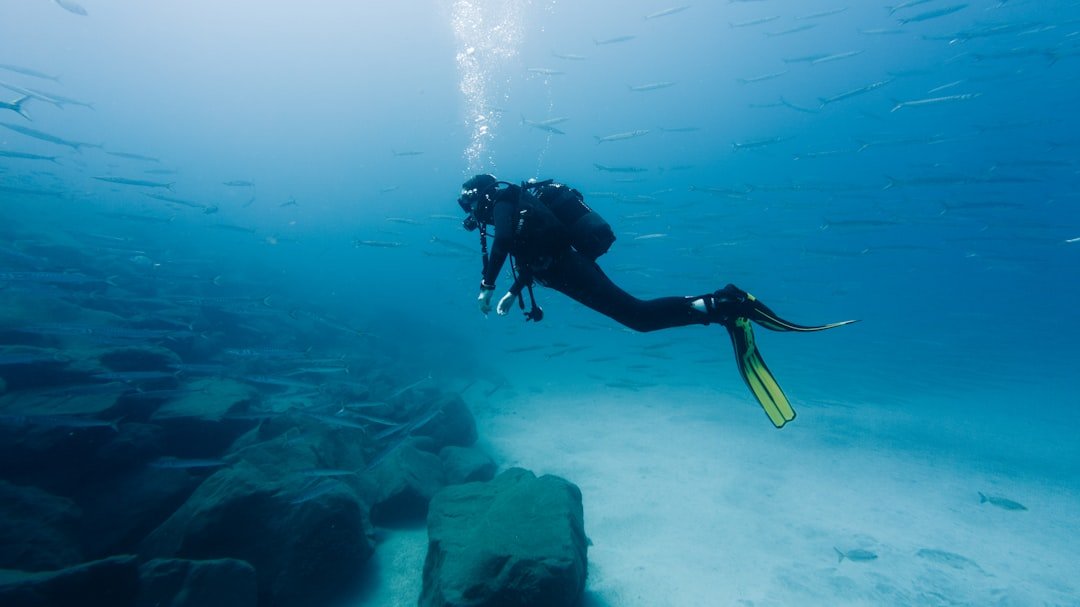
You are packing for a weekend away, find a local dive operator, and see a tempting price for a two-tank boat trip. Then rentals, park entry, and tips appear at checkout. How much does scuba diving cost? For a certified recreational diver, a single fun dive often lands around US$20 to US$250 or more, while how much does scuba diving cost for a first-time diver is higher because training, required equipment, and supervision are part of the bill. Location changes everything.
A simple local shore dive with your own kit can be inexpensive. A guided boat dive at a resort can cost far more once transport, staff, cylinders, equipment, and marine fees are included. The advertised number rarely tells the whole story. Ask for the final per-person total before booking.
How much does scuba diving cost per dive
For already certified divers, these are useful planning ranges in US dollars. They are not fixed rates. Prices vary by region, season, local wages, fuel costs, and the type of diving offered, so treat them as a starting point and confirm current inclusions directly with the operator.
- Self-guided shore dive: roughly US$20 to US$80 per dive when you need a cylinder, weights, site entry, parking, or a permit. Some sites cost less. Others require a paid reserve or boat shuttle.
- Guided shore dive: roughly US$50 to US$150 per dive, commonly including a guide, cylinder, and weights. Rental gear and entry fees may still be extra. Check the details.
- Local boat dive: roughly US$80 to US$200 per dive when bought as part of a two-dive trip. A one-dive trip can have a higher per-dive price because the boat still has the same basic operating costs.
- Resort or destination boat dive: roughly US$100 to US$250 or more per dive, particularly in remote areas or places with longer crossings. Fuel matters here.
- Night, wreck, deep, drift, or specialty guided dive: often adds US$20 to US$100 or more above a standard daytime reef dive. The extra cost may cover different staffing, lights, permits, or travel time.
Many operators sell dives in two-tank blocks rather than individually. That is normal. For example, a US$180 two-tank boat trip works out to US$90 per dive before rentals, while a US$40 equipment package makes that same day US$110 per dive if you complete both dives.
What a per dive breakdown usually includes
The base price usually pays for only part of the day. Read the booking page or message the operator with a specific question: “What is the total cost for one certified diver with all equipment?” A clear answer prevents surprises. It also lets you compare operators fairly.
On a typical boat trip, the quoted dive price may include the boat seat, cylinders, weights, crew support, and water. In some destinations it also covers a guide. In others, a guide is mandatory and billed separately, especially when local rules, currents, protected areas, or unfamiliar navigation make independent diving unsuitable.
Equipment rental is often the largest add-on for a newer diver. A full package with BCD, regulator, exposure suit, mask, fins, computer, and weights may run roughly US$25 to US$80 per day, though individual items can be charged separately. One day of rental spread across two dives is cheaper per dive than renting for one dive. Bring your own mask if it fits well.
Cylinder fills or rentals and weights are sometimes folded into the trip rate, but not always. Expect a separate cylinder charge at many shore-based operations, and ask whether air or enriched air nitrox costs extra. Nitrox requires appropriate certification. Do not buy it merely because it is available.
Marine park fees, harbor fees, environmental levies, parking, transfers, and boat fuel surcharges can each alter the total. Small charges add up. A US$90 boat dive with US$20 rental, a US$15 park fee, and a US$10 harbor fee is really US$135 before gratuity, food, or transport.
Tips are customary in some countries and less expected in others. Follow local practice rather than assuming a universal percentage. If crew service was part of a paid package, a tip is still separate unless the operator clearly says otherwise.
Training costs before your first certified dive
If you have not yet qualified, the first cost is an entry-level certification course rather than a standard fun dive. In many areas, an open-water course can fall around US$400 to US$1,000 or more once digital materials, pool sessions, rental equipment, certification fees, and open-water checkout dives are counted. It is a meaningful purchase. Compare what each school includes.
A low headline price may cover classroom materials and pool training but leave checkout dives, equipment, site fees, or certification processing as extras. Another school may quote a higher total that includes everything needed to finish locally. Ask for an itemized final figure, the number of days, and the student-to-instructor ratio before paying a deposit.
Referral courses change the math. You can complete academic and confined-water portions at home, then pay another operator to conduct your open-water dives during a holiday. That can suit a tight travel schedule, but it can also cost more than doing the complete course in one place after you add paperwork, gear rental, and destination prices.
A discover scuba experience is different from certification. It often costs roughly US$75 to US$250 or more, depending on whether it is pool-based, shore-based, or boat-based. You dive under close professional supervision, but it does not make you independently certified to rent equipment or dive with a buddy afterward.
Choose training for fit and quality, not simply the lowest price. You need enough time to practice buoyancy, mask skills, regulator recovery, ascent procedures, and communication without being rushed. No gear purchase or short lesson replaces certified training.
Buying gear and its effect on each dive
Owning gear can reduce repeated rental fees, but it does not automatically make diving cheaper. You pay upfront, maintain life-support equipment, and still need cylinders, fills, travel, and access. Buy gradually. Start with items that affect personal fit.
Many divers begin with a properly fitted mask, snorkel if desired, fins, boots, and an exposure suit suited to local water temperatures. Depending on quality and local pricing, that personal set might cost a few hundred dollars or substantially more. A leaking mask ruins a dive fast. Fit is more valuable than a logo.
A regulator, BCD, computer, surface marker buoy, and other core equipment raise the initial total considerably. New full setups can run into several thousand US dollars, while used equipment may cost less but needs careful inspection and documented servicing where applicable. A computer battery, regulator service, hoses, fin straps, and wetsuit wear all belong in the long-term budget.
Here is a practical break-even example. If a full rental package costs US$50 per day and you dive two days a month for a year, you would spend about US$1,200 on rentals before any price increase. A US$1,200 personal kit reaches a simple rental-cost break-even point after 24 dive days, but that calculation excludes maintenance, travel baggage charges, and the fact that rental packages may include items you have not bought.
Do not rush into buying a thick wetsuit, drysuit, or specialized fins before you know where you will actually dive. Cold-water exposure protection has to fit correctly and match the conditions. Seek hands-on guidance from a certified instructor or qualified local professional before using unfamiliar exposure equipment, and get proper training before drysuit diving.
Travel costs can exceed the diving bill
On a dive holiday, flights, lodging, meals, airport transfers, travel insurance, baggage fees, and non-diving days can cost more than the dives themselves. This is common. A cheaper dive package is not always the lower-cost trip.
Use a per-dive trip calculation when comparing destinations. Add the full trip cost, subtract any spending you would have made anyway, then divide by the realistic number of dives you expect to complete. If a US$1,800 trip includes US$600 of diving and you plan six dives, the diving portion is US$100 per dive, but the whole trip averages US$300 per planned dive.
Keep the word “planned” in mind. Weather, illness, ear trouble, airline delays, fatigue, and operator cancellations can reduce your actual dive count. Never force a dive just to improve the math. If you cannot equalize comfortably, feel unwell, or are outside your training and comfort level, stop and speak with the dive professional in charge; health concerns need advice from a doctor.
Ways to keep costs sensible
The lowest price is not always the best value, especially where boat maintenance, guide quality, rental condition, and emergency planning differ. Look for transparent pricing. A detailed quote is useful.
- Pick nearby shore diving for early post-certification practice when site conditions and local rules suit your experience. You will save on flights and boat fares. Dive with an appropriate buddy or guide.
- Book multi-dive packages only if you can realistically use them within the operator’s validity period. Check cancellation, weather, and refund terms first. Policies differ widely.
- Bring compact personal items that fit you well, especially mask and fins, before investing in heavy equipment that costs more to fly with. Comfort matters on every dive.
- Ask whether the package includes cylinders, weights, guide, rental equipment, transfers, marine fees, and nitrox. Write the answers down. Small omissions change comparisons.
- Schedule conservatively near flights and allow enough surface interval time. Follow your training agency’s guidance and the limits provided by your dive computer. Diving safely is the priority.
For most new certified divers, a realistic local budget is often US$100 to US$200 for a two-dive day with rentals, then less once you own well-fitting personal gear and dive regularly. Resort boat days commonly cost more. Get the all-in quote, assess the conditions honestly, and spend your money on training and dives that match your current experience.
Related posts
This article is for general informational purposes only and is not dive training or medical advice. Always train with a certified instructor and consult a doctor before diving if you have any health concerns. Gear specs, pricing, site conditions, and operator schedules change, so verify current details directly with the manufacturer or dive operator.
Disclosure: This post may contain affiliate links. If you click through and make a purchase, we may earn a commission at no extra cost to you. We only recommend gear we’ve researched or genuinely believe in.