How to Photograph Sharks Underwater Safely
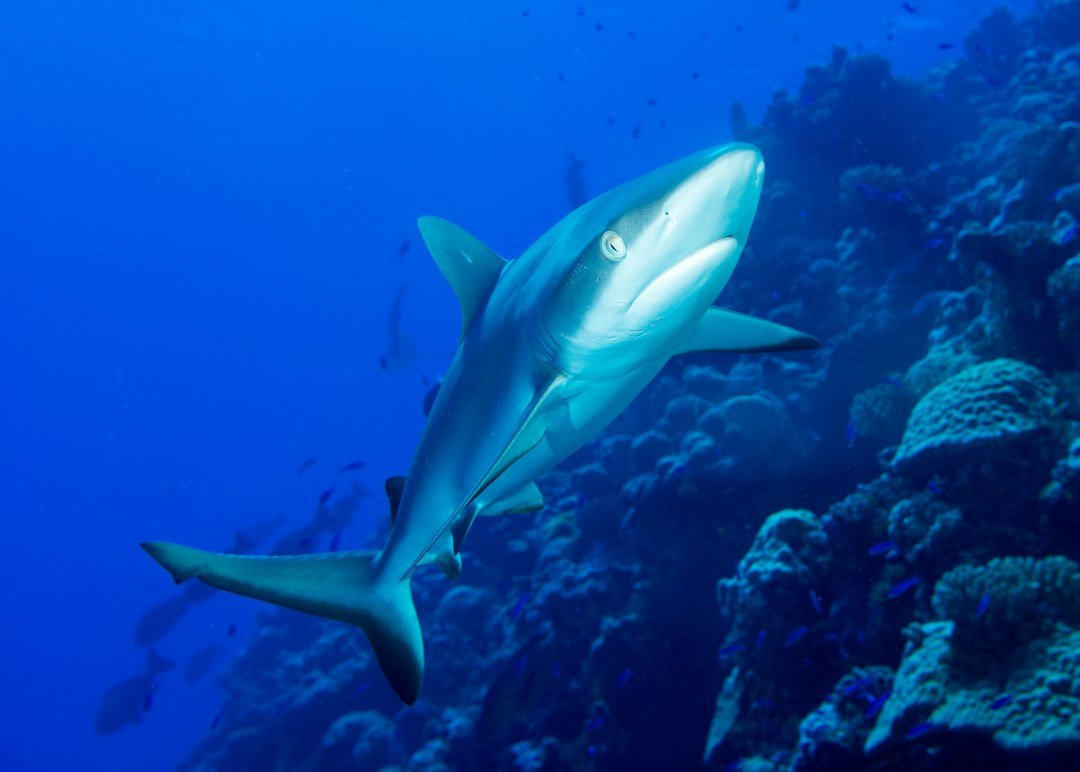
Safe shark photography starts with calm buoyancy, an operator-led plan, and respect for the animal’s space. These beginner tips cover camera setup, positioning, lighting, and when to skip the shot.
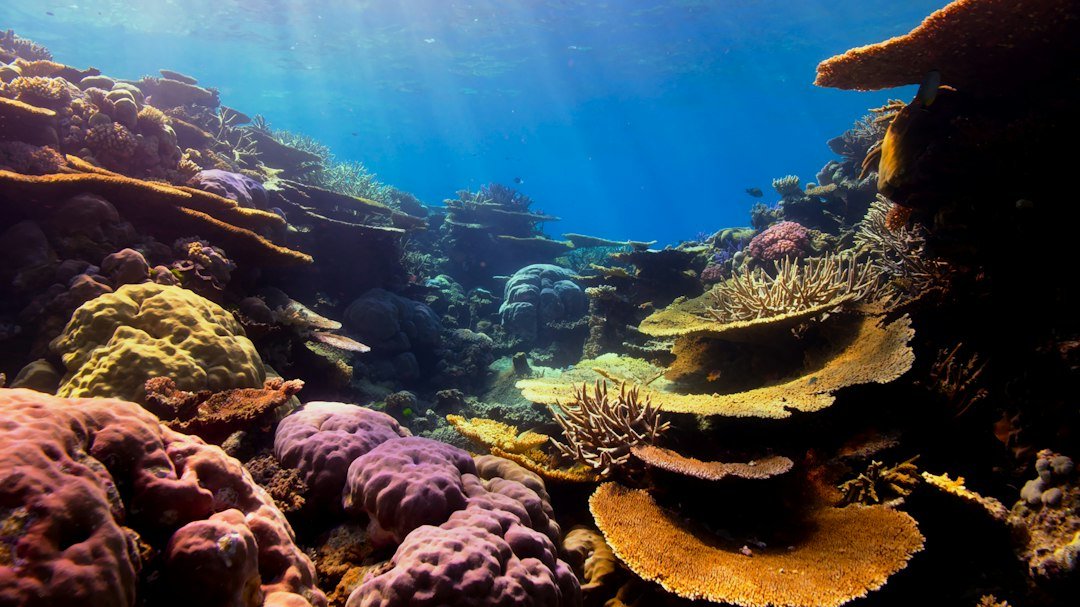
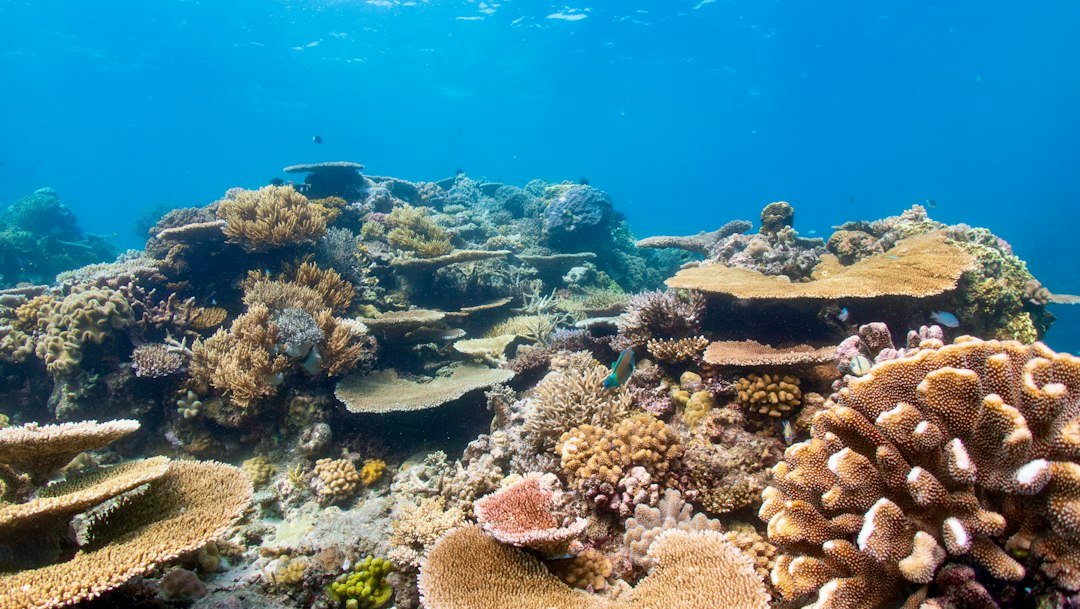
Avoid overexposed underwater photos by setting ambient exposure before adding strobe light, watching highlights, and adjusting shutter speed, aperture, ISO, and flash distance with purpose. This settings adjustment guide gives practical starting points for macro, reef scenes, and bright shallow dives.
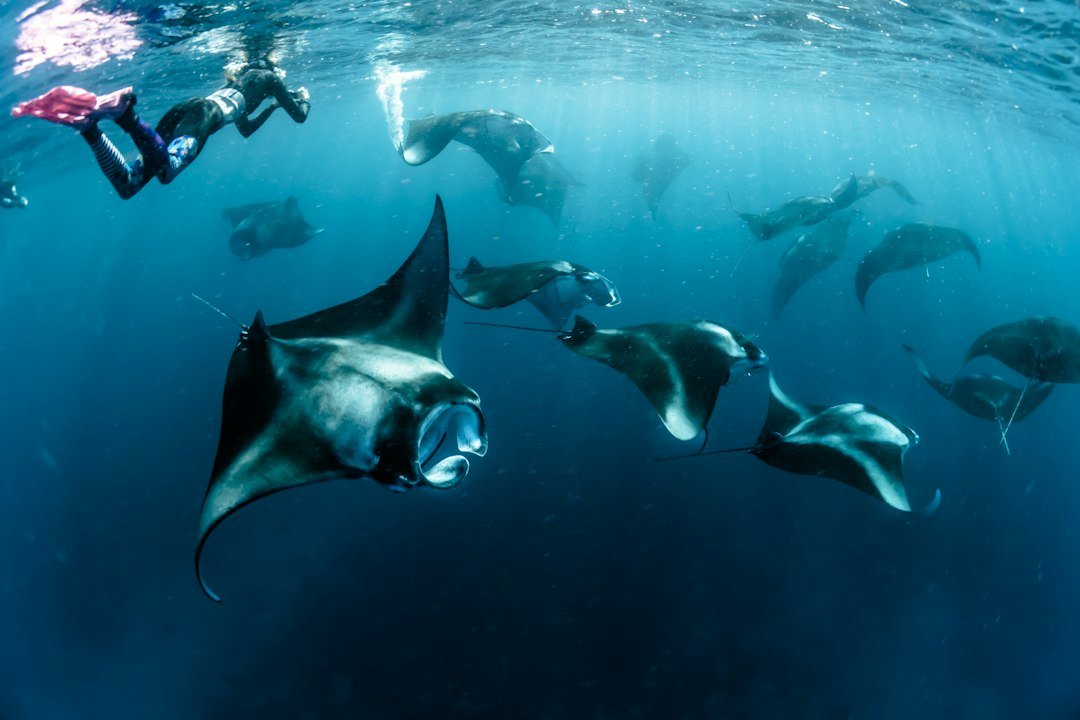
Use a wide lens, manual exposure, careful strobe placement, and a low, non-blocking position to photograph manta rays underwater. This practical guide covers camera settings, approach etiquette, focus, composition, and common mistakes.
Color correct underwater photos in Lightroom by setting white balance first, then controlling exposure, restoring targeted warm tones, and cleaning up haze without pushing colors into an artificial look. This practical workflow works best with RAW files and a restrained edit.
The best underwater camera lens for wide angle shots depends on your camera system, housing port, and whether you prefer natural-looking reef images or close-focus fisheye wreck scenes. A wide rectilinear zoom is the flexible choice, while a fisheye usually gives the widest coverage and easiest close-up lighting.
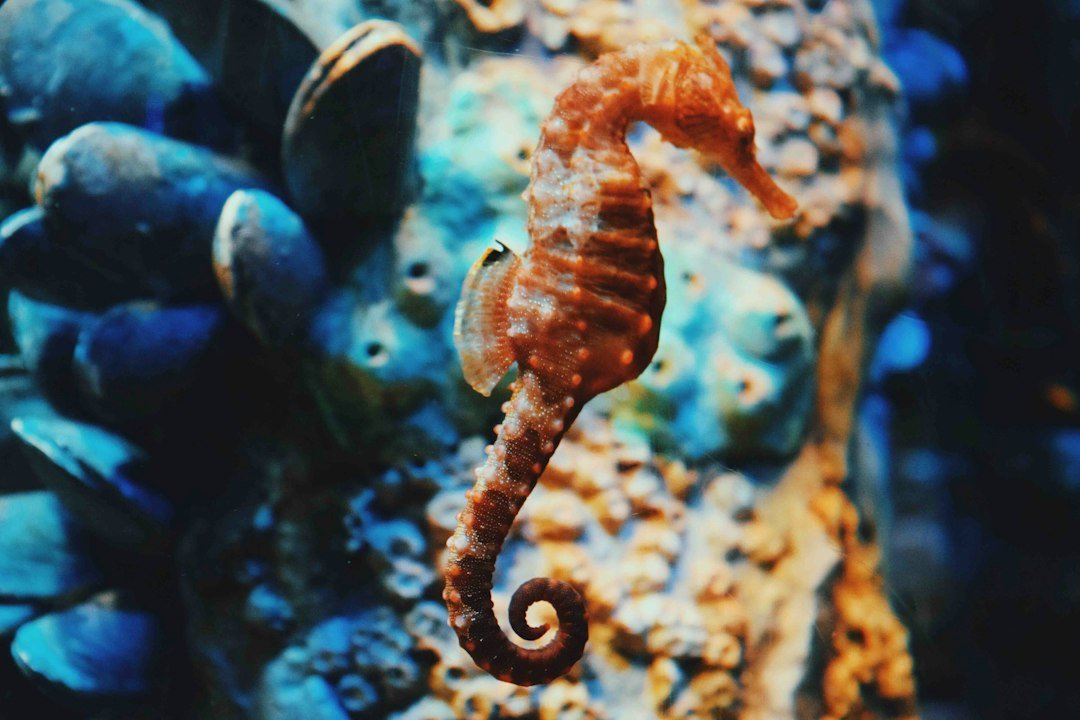
How to photograph seahorses underwater starts with patient buoyancy, a respectful working distance, and macro camera settings that freeze small movements without harsh light. Use a stable approach, low strobe power, and deliberate focus on the eye.
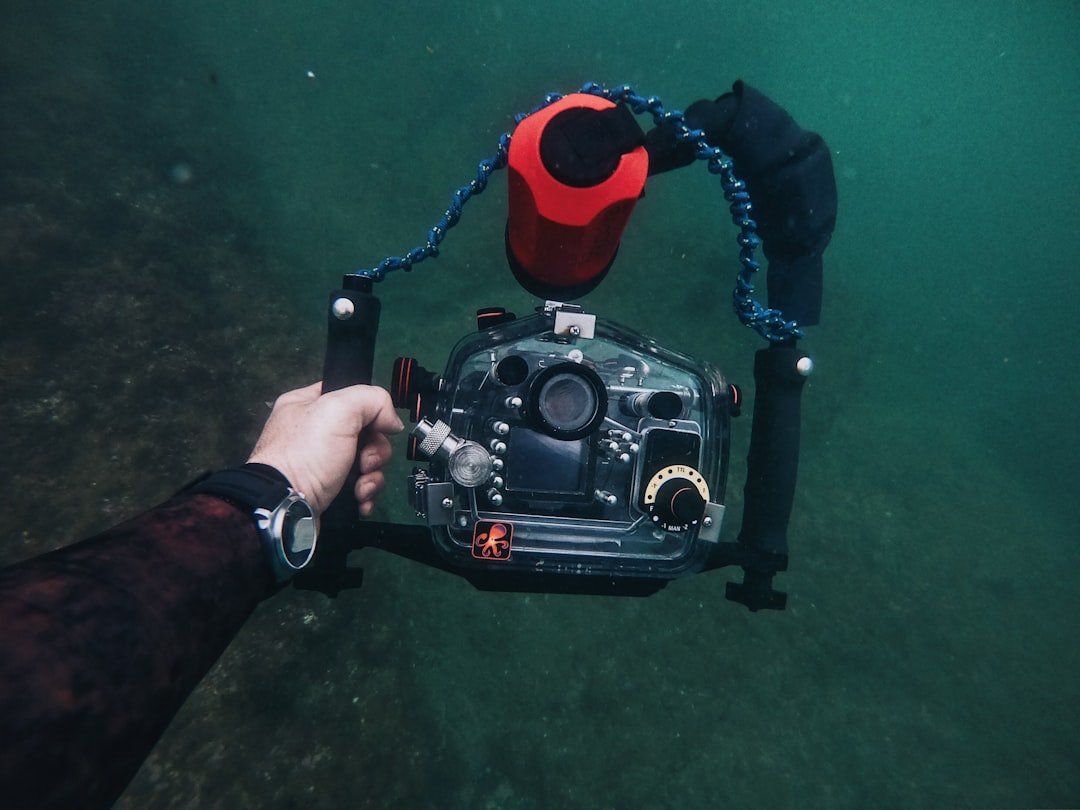
Protect a camera housing from saltwater damage by rinsing it sealed in fresh water immediately after every dive, drying it fully before opening, and maintaining every O-ring and control. Long-term care depends on clean storage, regular inspection, and replacing worn seals before they cause a flood.
Start with one strobe, place it wide and slightly above your lens, then adjust its power before changing camera settings. This practical guide explains strobe positioning, exposure control, and when a single vs dual strobe setup makes sense.
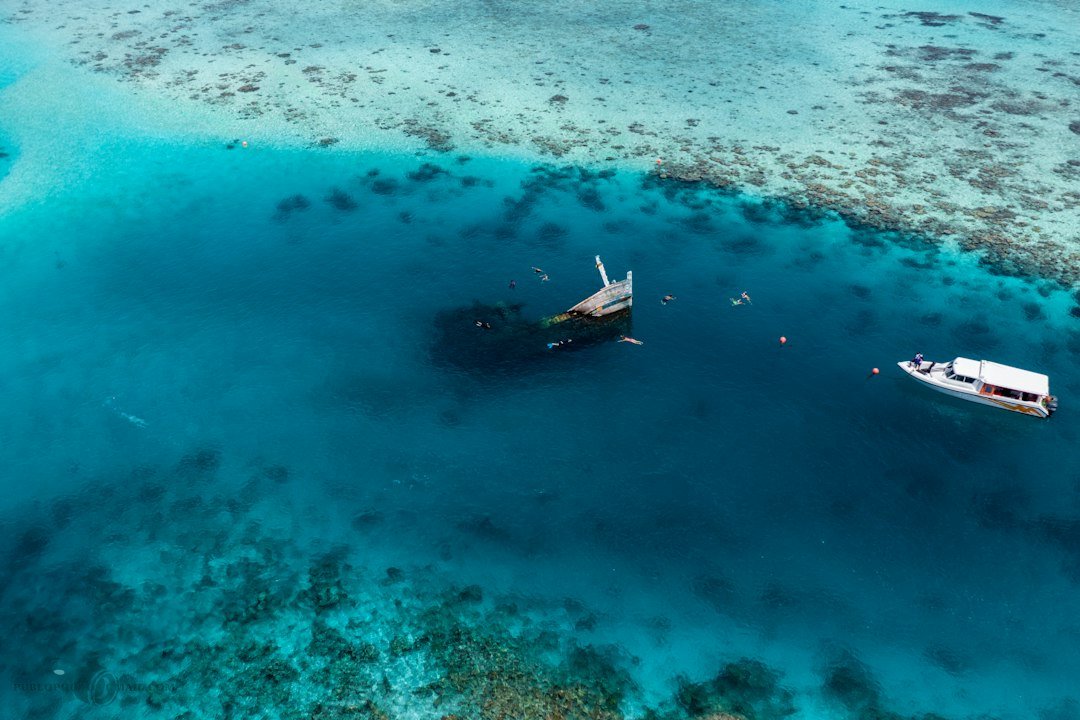
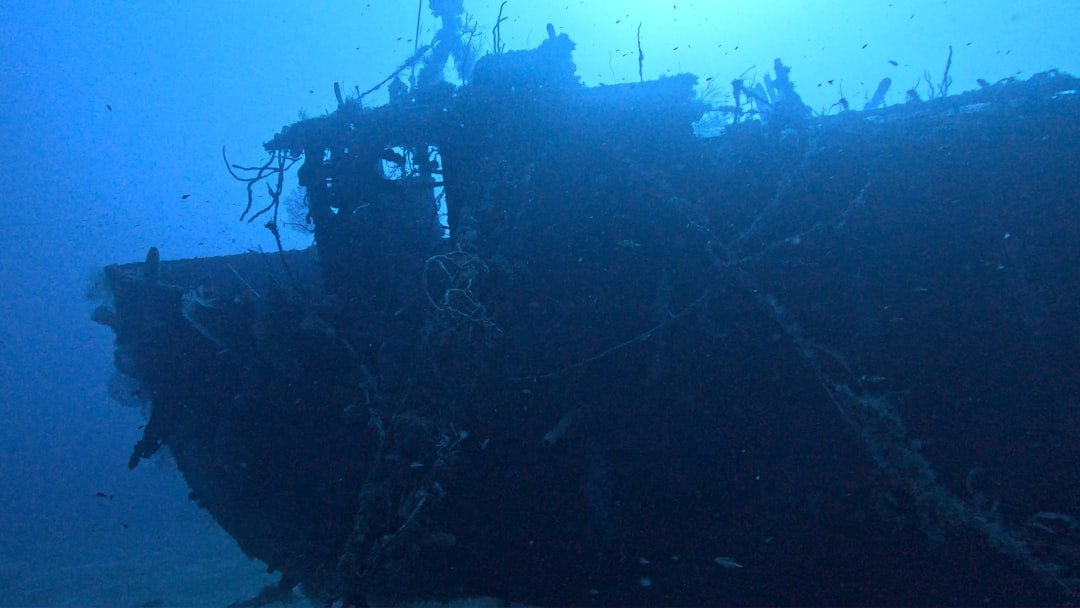
Learn how to photograph wrecks underwater with a practical wide angle technique, including positioning, exposure, strobe use, and diver composition. These steps help recreational divers make clearer, more dramatic wreck images while staying within training and site limits.
Keep a camera dome port from fogging by drying the housing interior, sealing it away from humid air, and using fresh silica-gel anti-fog inserts when needed. Most dome fog is internal condensation, so surface anti-fog products will not fix the root cause.